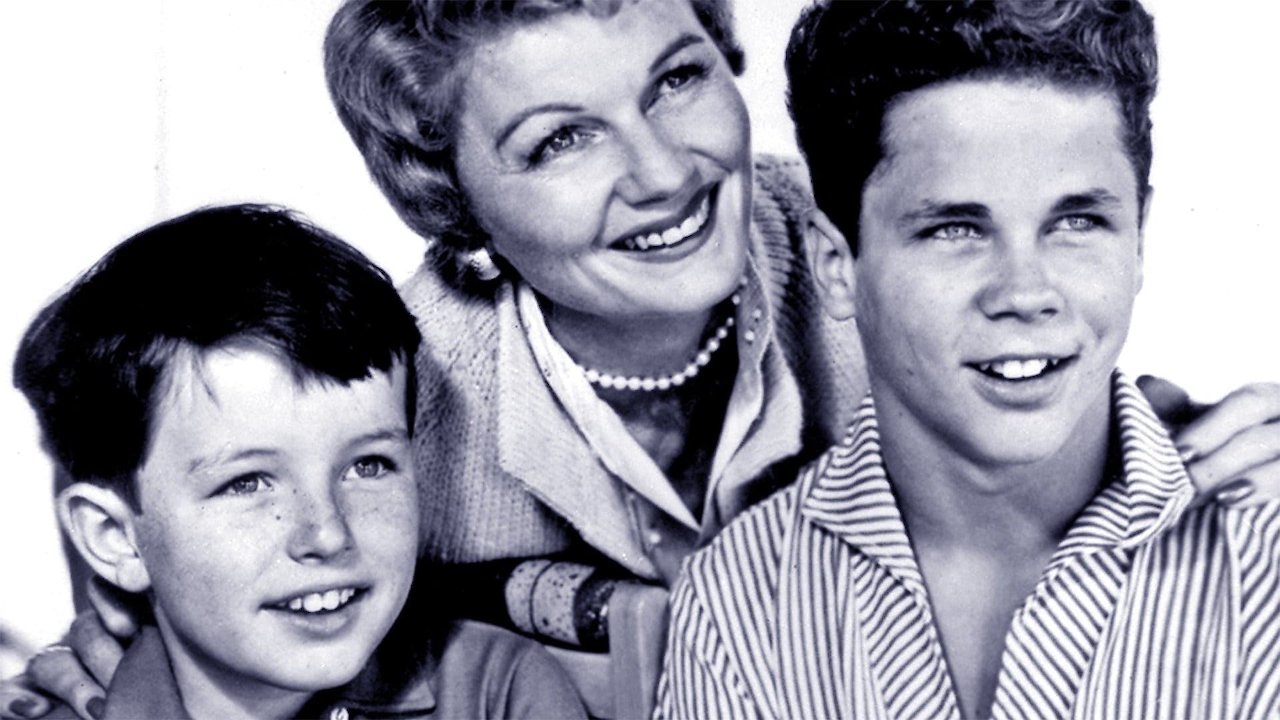
Leave It to Beaver Season 6 Episode 20 The Credit Card
- TV-G
- February 7, 1963
- 25 min
-
7.8 (142)
In the charming and nostalgic world of Leave It to Beaver, season 6 episode 20 titled The Credit Card explores the emerging phenomenon of credit cards and their implications on suburban family life in the 1960s. The episode cleverly weaves together humor and moral lessons, showcasing the innocence of youth and the complexities that arise when new technologies intersect with daily life.
The episode begins with the Cleaver family enjoying the typical hustle and bustle of their suburban existence. June and Ward Cleaver, the ever-dutiful parents, are seen managing their household, displaying the loving and supportive dynamic that fans have come to cherish. They take pride in teaching their children, Beaver and Wally, the values of responsibility, honesty, and hard work. Their well-meaning intentions often lead to amusing misunderstandings, and this episode is no exception.
As the story unfolds, Beaver and Wally encounter a credit card for the first time, which sparks their curiosity and excitement. The episode paints a vivid picture of the era's societal changes, reflecting how consumerism is taking root in the lives of everyday Americans. Beaver, in particular, is fascinated by the idea of a card that allows you to buy things without immediate cash. This fascination quickly turns into a scheme when the boys think about how convenient it could be to have such a tool at their disposal.
The humor escalates as the boys discuss the notion of using their parents’ credit card for their own whims and fancies, imagining all the things they could buy. Whether it's new bicycles, comic books, or a trip to the candy store, their imagination runs wild. They are blissfully unaware of the ramifications of misusing or misunderstanding credit. The budding entrepreneurs soon hatch a plan to sneakily use the Cleaver’s credit card for their escapades. This draws on the theme of childhood innocence mixed with a hint of rebellion, highlighting the natural desire of kids to test boundaries.
Meanwhile, June and Ward, representing the pillars of parental guidance, are depicted as being somewhat out of touch with the rapid changes happening in the retail world. They embody a generation that values savings and cautious spending, wary of the new trends in consumerism. Their interactions with Beaver and Wally serve as a microcosm of the generational divide, as they struggle to keep up with the evolving definitions of responsibility and financial independence.
As the plot thickens, the boys' scheme leads to a series of comedic situations that depict their naiveté and innocence. The show masterfully uses a combination of misunderstandings and slapstick humor to illustrate the potential pitfalls of involving children in the adult world of finance. The writing shines as it captures the boys' banter and quirky personalities, making the audience root for them despite their misguided intentions.
The underlying message of the episode hinges on responsibility and the importance of understanding the value of money. Ward and June eventually realize what their sons are up to. Instead of meting out strict punishment, they seize the opportunity to teach valuable life lessons about financial literacy and the consequences of one's actions in a way that is appropriate for their boys’ young minds.
Throughout the episode, viewers are treated to the classic warmth and humor that Leave It to Beaver is known for. The interplay between family dynamics, coupled with the challenges posed by modernity, creates a relatable yet nostalgic viewing experience. Themes of trust, communication, and the innocence of childhood shine through, leaving the audience with a sense of both entertainment and reflection.
As The Credit Card comes to its conclusion, viewers are left with a heartwarming reminder of the importance of family discussions about money, encouraging responsible habits rather than simply forbidding them from exploring new ideas. The bonds between the Cleaver family members deepen as they navigate the sticky situation with love and understanding, reminding audiences of the invaluable lessons that can be learned within the safety of family life.
In essence, this episode serves as a delightful commentary on growing up in a changing world, cleverly using humor to address a modern issue. The Credit Card is not just a playful exploration of a boyhood scheme; it is a loving reminder of where good intentions can lead and how effective communication within families can pave the way for responsible behavior, even in the face of a rapidly evolving society. Audiences are sure to leave with both a smile and a warm feeling of nostalgia as they relish the simple joys of family life in the iconic Leave It to Beaver series.