Mysteries at the Museum Season 5 Episode 5 Creepiest
- April 25, 2013
- 42 min
-
(7)
In the fifth episode of the fifth season of Mysteries at the Museum titled "Creepiest," viewers can expect to be taken on a spine-chilling adventure as the show delves into a collection of stories that are sure to give them the shivers. Each story highlights historical artifacts that have a dark and eerie past, and this episode promises to be one of the most bone-chilling yet.
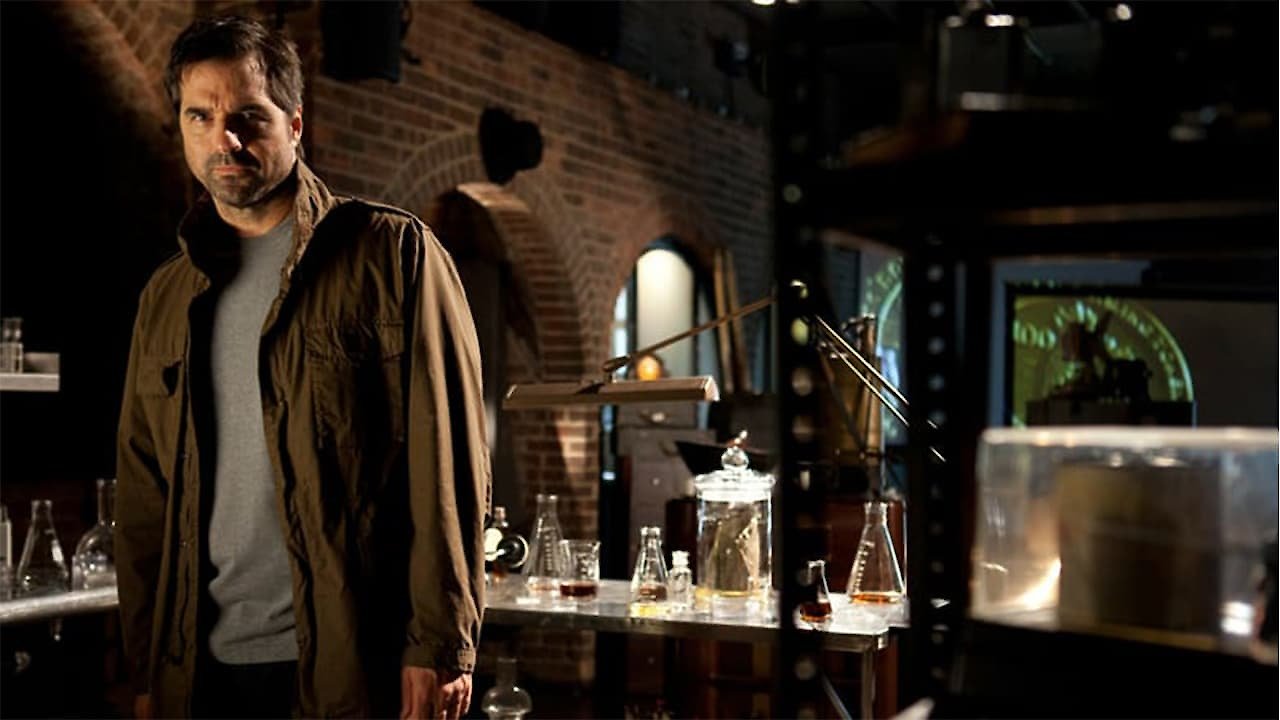
The first segment of "Creepiest" takes viewers to the haunted streets of Charleston, South Carolina, where a chilling legend lives on. In the late 1800s, a local doctor named Francis Lebby built a small cottage near the city's historic waterfront. The doctor was a respected and well-liked member of the community until his wife, a young woman with whom he had fallen deeply in love, died suddenly of a supposed fever. Grief-stricken, the doctor became increasingly reclusive, and while he continued to practice medicine, he refused to ever leave his home again.
Despite his relative isolation, strange stories began to circulate about the doctor and the strange experiments he was conducting in his laboratory. Some claimed that he was attempting to reanimate the dead or that he was using the bodies of slaves in his experiments. Locals reported hearing screams and eerie sounds emanating from the doctor's house, and there were even rumors that the doctor had murdered his wife and was now living with her reanimated corpse.
The second segment of the show takes viewers to a more modern time, where we explore one of the most notorious unsolved murders in recent history. In 1947, the body of a young girl was found mutilated and discarded in a vacant lot in Los Angeles. The case, which remains unsolved to this day, came to be known as the Black Dahlia murder.
The gruesome nature of the crime shocked the nation and quickly became a media sensation. The killer had cut the girl's body in half and inflicted numerous other injuries, and the brutality of the murder left many questioning how such a thing could have happened. Despite dozens of suspects and a host of theories, the case remains unsolved, and the identity of the killer is still unknown.
The next segment of the show takes viewers to the small town of Fall River, Massachusetts, where one of the most infamous killers in history was born and lived. In 1892, Lizzie Borden was accused of murdering her father and stepmother with an ax in their home. Despite overwhelming evidence against her, including the fact that she was the only one home at the time of the murders, Lizzie was ultimately acquitted, and the case remains one of the most mysterious in American history.
The story of Lizzie Borden has become something of a legend, and her home in Fall River has been turned into a museum dedicated to her life and the mystery of the murders. The episode takes viewers on a tour of the house, exploring the rooms where the killings took place and the artifacts that remain from that fateful day.
The final segment of the show takes viewers to the desolate expanse of the Arizona desert, where a mysterious structure has stood for centuries. Native Americans have long considered the structure a sacred site, but little is known about its origins or its true purpose. Some claim that it was built by the ancient Anasazi people, while others believe that it was constructed by extra-terrestrial beings.
Despite the mysteries that surround it, the structure remains a popular destination for tourists and believers in the paranormal. The show investigates the various claims surrounding the site and takes viewers on a tour of the eerie and otherworldly location.
In summary, "Creepiest" is an episode designed to send shivers down viewers' spines. With its collection of dark and eerie stories, the episode explores some of the most enigmatic and unsettling moments in history and highlights the strange and terrifying artifacts that remain from them. From haunted streets and unsolved murders to mysterious structures and supernatural legends, "Creepiest" is sure to leave viewers with a lingering sense of unease.