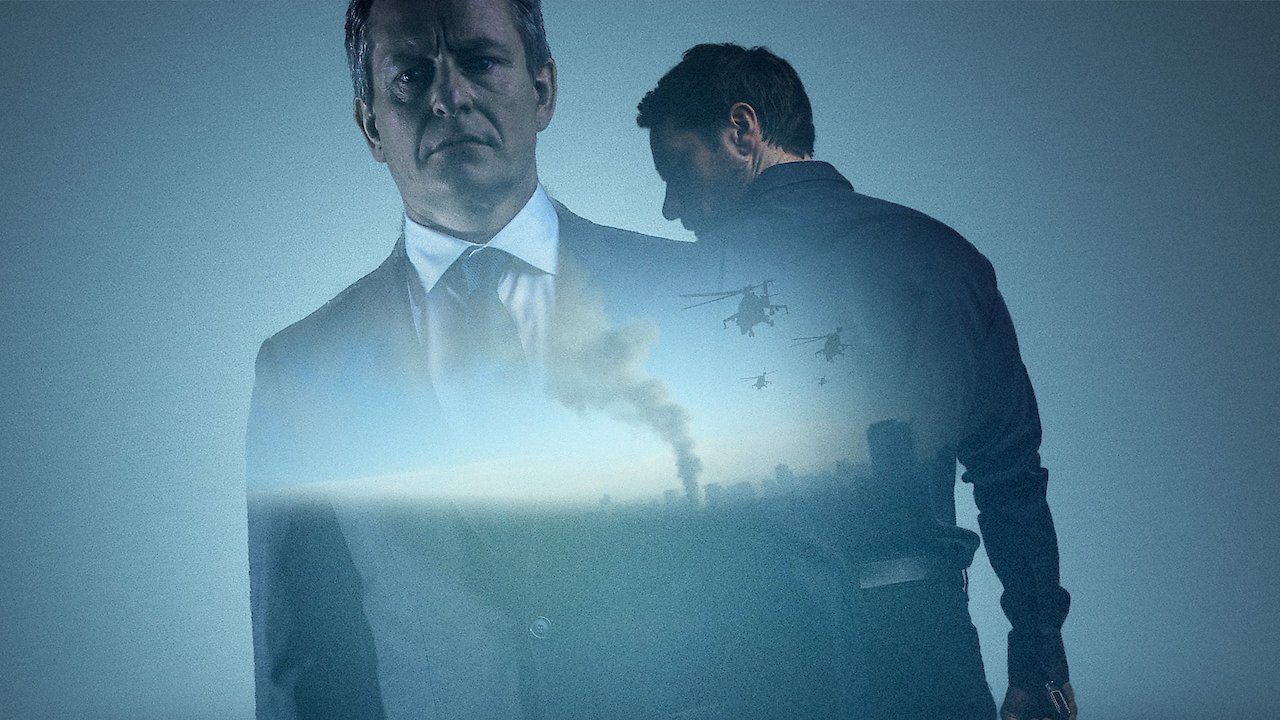
Occupied Season 1 Episode 1 April
- TV-14
- October 4, 2015
- 45 min
-
7.3 (58)
In Occupied season 1 episode 1, entitled "April," we are introduced to a new world order. After years of global warming wreaking havoc on the environment, western governments have forced Norway to stop all oil and gas production in an effort to reduce carbon emissions and protect the planet.
The series begins six months after the government of Norway has been taken over by the EU in a peaceful coup. The Norwegian Prime Minister, Jesper Berg, has resigned and been replaced by EU loyalist, Anniken Hauge. Berg's political rival, right-wing politician Hans Martin Djupvik, is outraged and stages protests. But Hauge assures the population that the occupation is only temporary and that elections would be held in the near future.
We are introduced to a diverse cast of characters, each with their struggles and opinions on the new world order. Police officer, Hans Martin Djupvik, is drawn into a conspiracy to resist the EU, while journalist Thomas Eriksen is struggling to keep his journalistic integrity in the face of growing pressure from the occupation authorities. Meanwhile, Hauge's chief of staff, Maja, is tasked with running the country in the new regime, but secretly harbors doubts about the EU's ultimate intentions.
A major point of tension in the episode is the decision to restart the oil and gas production, which has been shut down for six months. As the winter approaches, Hauge realizes that the country is running out of fuel, and the EU is unwilling to help. She decides to start the production of natural gas, which will be used primarily for Norwegian consumption. This decision creates immediate tension with the EU, prompting her to request assistance from Russia.
Overall, Occupied season 1 episode 1 offers a strong political thriller set in a plausible future. It introduces us to a complicated world where various interests and political ideologies are in conflict and where the decision to protect the environment leads to unforeseen consequences. The episode sets up several intriguing subplots and presents a nuanced view of the debate surrounding the environment, energy security, and national sovereignty. The acting is solid, and the production values are high. The show promises to offer a refreshingly intelligent take on politics and diplomacy in the age of climate change.