The Vietnam War: A Film by Ken Burns and Lynn Novick Season 1 Episode 5 This Is What We Do (July 1967-December 1967)
- TV-MA
- September 21, 2017
- 85 min
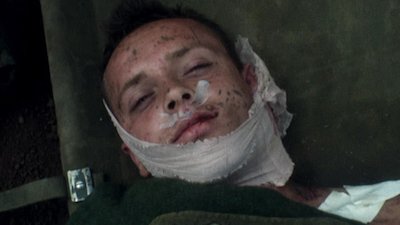
This Is What We Do is the fifth episode of the acclaimed documentary miniseries The Vietnam War: A Film by Ken Burns and Lynn Novick. The episode covers the period of July 1967 to December 1967 and explores how the war had escalated to an unprecedented level.
The episode starts with the US military's Operation Buffalo, which was aimed at taking control of the A Shau Valley to cut off the North Vietnamese army's supply lines. Despite a massive bombing campaign and significant ground operations, the North Vietnamese were able to repel the US forces and hold onto the valley. This defeat was a turning point for the US military and raised serious doubts about the feasibility of achieving a military victory in Vietnam.
The episode then moves on to the Battle of Dak To, which was one of the bloodiest battles of the war. The US military launched a large-scale ground operation to discover and destroy enemy troop concentrations in the region. The episode explores the hardships faced by the soldiers and the brutality of the fighting, with both sides sustaining heavy losses. While the US military was able to claim tactical victory, the battle exposed the costs and futility of waging an open conflict against a guerrilla force.
The episode also covers the dramatic changes occurring in the US during this period, including the rise of the anti-war movement and the deepening divisions in American society. The episode examines the reactions of Americans from different walks of life to the war, particularly the African American and Hispanic communities who felt a disproportionate burden of the war and faced ongoing racial discrimination at home.
The episode delves deeper into the political landscape of the time, covering the political fallout of the Battle of Dak To, as well as the power struggle between President Lyndon B. Johnson and Defense Secretary Robert McNamara over the conduct of the war. The episode also explores the crucial role of the media in shaping public opinion on the war, particularly the publication of the Pentagon Papers by the New York Times, which exposed the government's long-standing deception about the war.
The episode ends with the turbulent events of December 1967, including the anti-war march on the Pentagon, the brutal crackdown on protesters by the police, and the burning of draft cards. These events marked a significant turning point in the war and the protest movement, showing that the US public was becoming increasingly disillusioned with the war and willing to engage in more radical forms of activism.
Overall, This Is What We Do is a powerful and insightful episode that captures the intense emotions and complex dynamics of the war and its impact on American society. It highlights the futility and tragedy of the war, while also shedding light on the bravery and heroism of the soldiers who fought in a conflict that ultimately proved to be unwinnable.