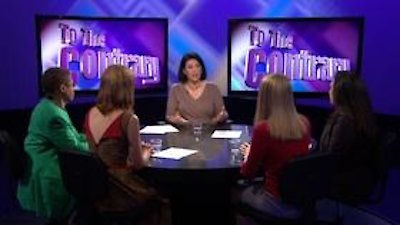
To the Contrary Season 21 Episode 20 August 24, 2012
- August 23, 2012
To the Contrary Season 21, Episode 20 - August 24, 2012
In this thought-provoking episode of To the Contrary, renowned host Bonnie Erbé engages in stimulating discussions with a distinguished panel of expert guests, providing a nuanced perspective on important issues that impact women and society as a whole. Join Erbé and her guests as they delve into a wide range of compelling topics, presenting diverse viewpoints and fostering a platform for informed debate.
Kicking off the episode, To the Contrary takes a closer look at the upcoming US presidential election, with a special focus on the female vote. Examining the importance of gender dynamics in elections, the panel dissects the strategies employed by both Republican and Democratic parties to appeal to women voters. With the portrayal of women's issues taking the center stage during presidential campaigns, the discussion explores the potential impact on voting patterns and the candidates' policies.
Next, the episode dives into an exploration of education, a fundamental and transformative aspect of society. The panel scrutinizes the challenges faced by girls around the world in accessing quality education. From barriers to enrollment to cultural stigmas, the guests shed light on the numerous hurdles that hinder girls from acquiring an education. By shedding light on these disparities, To the Contrary aims to inspire dialogue and action towards achieving gender equality in education worldwide.
Shifting gears, the show delves into discussions surrounding immigration policy and its particular implications for women and families. Engaging in a thoughtful conversation, the panel tackles the sensitive issue of securing the US border and its consequences for immigrant women. How do immigration policies impact access to healthcare and other vital services for women and children? Tune in to explore the complexities of immigration and the various perspectives that emerge from this multifaceted debate.
Continuing the examination of women's issues, To the Contrary explores the representation of women in politics. The panel analyzes the challenges women face when seeking political office and the progress made in breaking barriers. With a focus on the changing landscape of women's political involvement, the guests discuss the factors that contribute to encouraging women's representation at all levels of government. By highlighting these experiences, the episode sheds light on the importance of diverse voices in shaping public policy.
Furthermore, the episode takes a comprehensive look at the health issues that disproportionately affect women, touching upon topics such as reproductive rights, breast cancer, and access to affordable healthcare. With expert insights and personal anecdotes, the panel addresses the ongoing debates surrounding women's health, highlighting the need for informed legislation and support systems. By examining these pressing concerns, To the Contrary aims to empower viewers with the knowledge needed to advocate for comprehensive and equitable healthcare for women.
Concluding the episode, To the Contrary explores the role of women in the digital age. With the rise of social media and technology’s increasing influence on daily life, the panel delves into the opportunities, challenges, and potential pitfalls faced by women in the digital space. From online harassment to the amplification of women's voices, the discussion underscores the importance of fostering a safe and inclusive online environment for women to thrive.
Throughout this captivating episode of To the Contrary, Bonnie Erbé and her esteemed guests offer viewers an insightful and well-rounded exploration of the issues impacting women and society. Engaging in thought-provoking discussions on topics ranging from politics and education to health and technology, the show provides a platform for diverse perspectives and encourages viewers to form their own informed opinions. Join the conversation and gain a deeper understanding of the complexities surrounding gender and women's rights in the 21st century.
