All in the Family Season 5 Episode 17 Prisoner in the House
- January 4, 1975
- 22 min
-
7.9 (194)
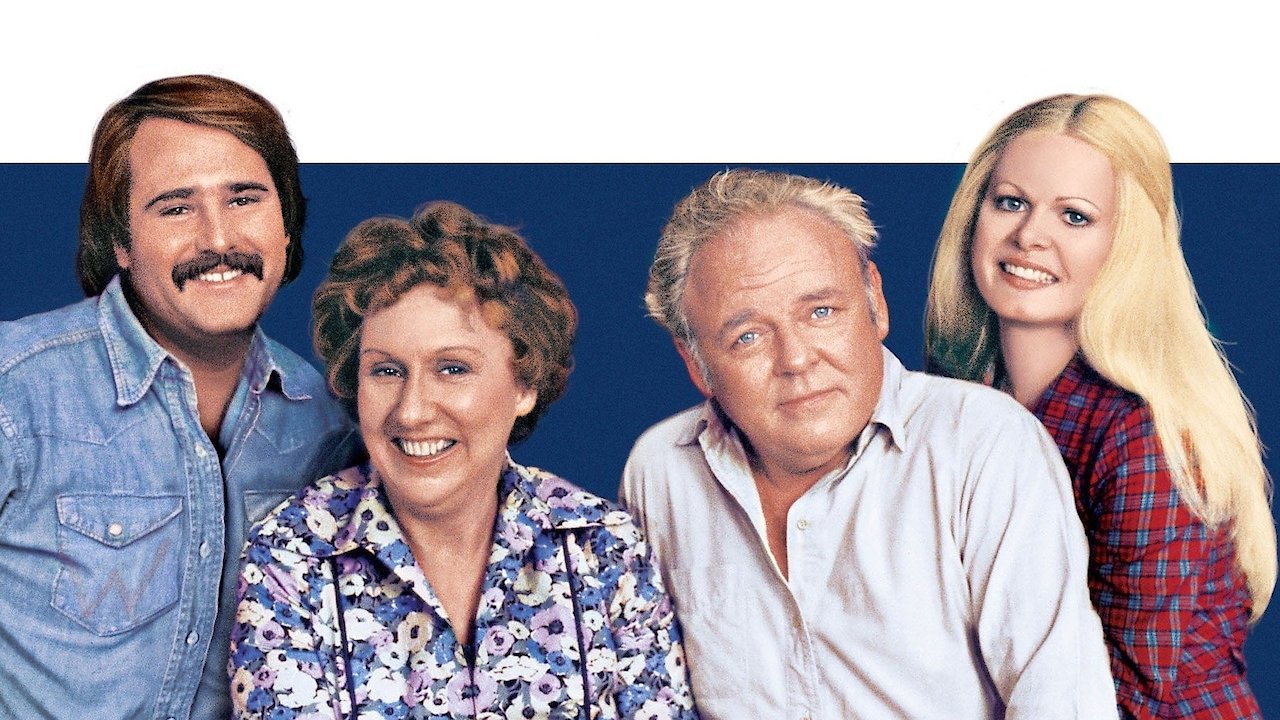
In the captivating and emotionally charged episode titled Prisoner in the House from Season 5 of All in the Family, viewers are treated to a blend of comedy and poignant drama that exemplifies the series' ability to tackle social issues within the context of a family sitcom. The episode explores themes of confinement—both literal and metaphorical—while highlighting the dynamics of the Bunker household, known for its vibrant characters and their often clashing personalities.
As the episode unfolds, the narrative centers around the aftermath of a particularly intense incident involving one of the Bunker family members. The central plot focuses on a character who feels increasingly isolated and trapped within the confines of their home—an emotional prison of sorts. This sense of entrapment resonates deeply, reflecting broader societal issues surrounding issues of freedom, safety, and the boundaries that family members can sometimes impose on one another.
The actors deliver standout performances, bringing their complex characters to life in a variety of relatable and humorous situations. Archie's unapologetic and often brash personality takes center stage, allowing the audience to see how his traditional views both conflict and intertwine with more modern perspectives on family and personal liberty. Meanwhile, Edith's unwavering support and emotional intelligence shine through as she attempts to mediate the situation, reiterating her role as the heart of the family.
In this episode, the tension is heightened not only by the character dynamics but also by the setting: the Bunker living room, a space that is both familiar and suffocating under the weight of the characters' emotions. The physical location of the home serves as a stark reminder of the struggles that arise within domestic spaces—places that should ideally be sources of comfort become arenas for conflict and misunderstanding.
The writing in Prisoner in the House is sharp and insightful, utilizing comedy to break the tension while also addressing serious questions about individual freedom versus family obligation. There are moments of levity that showcase the series' trademark humor, as well as poignant interactions that compel viewers to reflect on their own familial relationships. The script cleverly juxtaposes witty remarks with deep emotional conversations, allowing viewers to navigate the complexities of the situation alongside the characters.
As the episode progresses, the gradual reveal of the underlying fears and insecurities of each character adds layers to the story. The audience witnesses how each family member grapples with their perceptions of control, safety, and identity within the home. These revelations lead to moments of vulnerability, showing that even in the most comedic scenarios, there exists an undercurrent of sincerity that lends weight to the dialogue.
The interactions between Archie and Mike add another dimension to the narrative. Their ongoing ideological clashes become amplified in the context of the home as a space of conflict. While Archie often adopts a more conservative viewpoint, Mike's liberal ideals challenge Archie and provoke deeper discussions that are emblematic of the larger cultural shifts occurring during the show's time. This intergenerational conflict not only entertains but also serves to educate viewers on the varying perspectives present within family life.
Additionally, other community and family members make appearances in this episode, presenting even further complexities to the central conflict. Their perspectives and contributions enrich the narrative, showcasing the interconnectedness of the characters’ lives beyond the physical boundaries of the home. This interconnectedness emphasizes the idea that the implications of one person's choices extend far beyond their individual situation, impacting the broader family and community dynamics.
Prisoner in the House is a testament to All in the Family's capacity for blending humor with social commentary. It challenges the audience to reflect on what it means to find freedom within the confines of traditional familial relationships, pushing the boundaries of how we perceive home, safety, and personal agency. With its keen insights and character-driven storytelling, the episode remains a powerful entry in the series, igniting discussions that resonate across generations.
In conclusion, this episode serves as both an entertaining and thought-provoking experience, remaining true to the show's legacy. By confronting serious issues with tenderness and wit, Prisoner in the House invites viewers to engage with the characters’ struggles and triumphs, offering a poignant glimpse into the heart of the Bunker family and the intricate web of relationships that define it.