All in the Family Season 8 Episode 10 Archie and the KKK (1)
- November 27, 1977
-
8.1 (170)
In the iconic sitcom All in the Family, Season 8, Episode 10 titled Archie and the KKK, the rich tapestry of social issues and family dynamics unfolds as the show dives into a controversial and sensitive topic. Set in the early 1970s, the series continues to tackle the complexities of race relations, cultural identity, and the generational divide through the lens of the Bunker family's interactions.
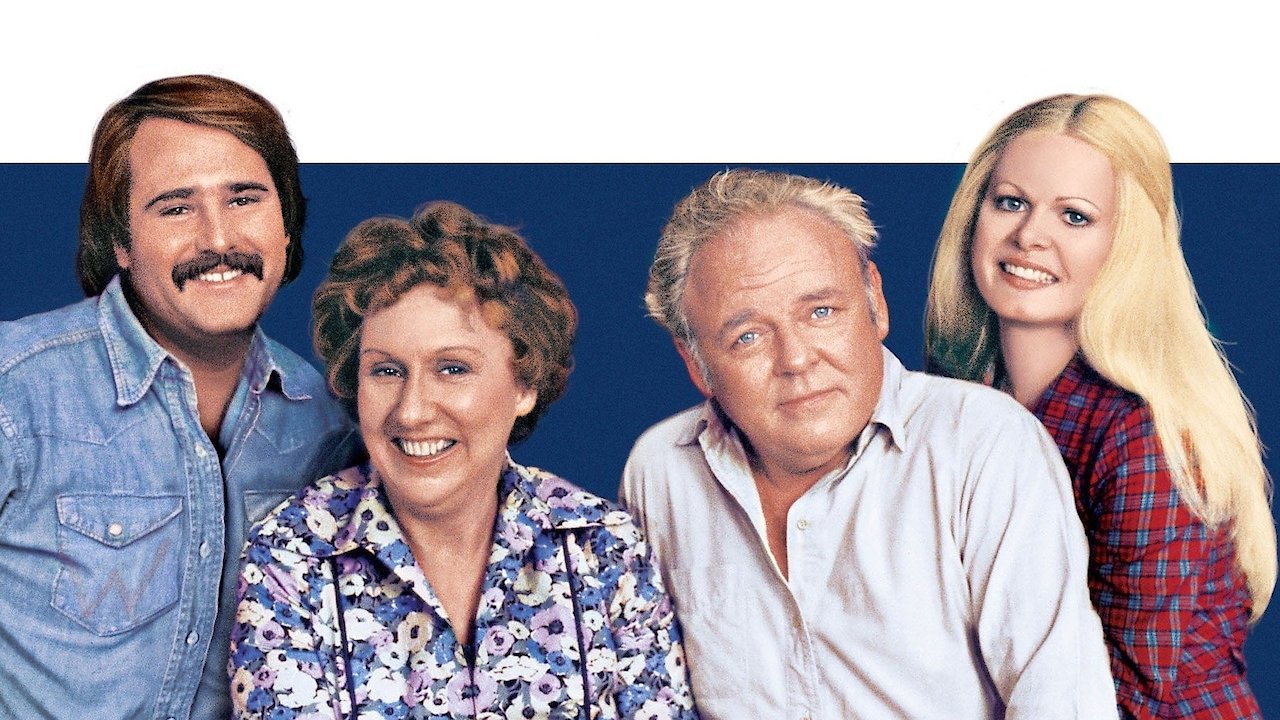
As the episode commences, the Bunker household is once again the epicenter of comedic tension. Archie Bunker, portrayed by the indomitable Carroll O’Connor, finds himself embroiled in yet another one of his trademark misadventures. The episode delves into Archie's staunch views and his somewhat outdated perspectives, often leading to humorous yet thought-provoking exchanges with his family.
One of the central themes is the confrontation of bigotry, as Archie's naive yet often zealous attitudes towards race escalate into a series of comedic scenarios. When he unintentionally gets himself involved with a local chapter of the Ku Klux Klan, his intentions may not align with the group's beliefs, yet the show uses this misguided affiliation to shed light on the absurdity of prejudice. Through a comedic lens, the narrative explores how ignorance and prejudice can manifest in everyday life, highlighting the struggles between acceptance and intolerance that many families faced during this era.
As events unfold, Edith Bunker, played by Jean Stapleton, finds herself trying to navigate the murky waters of morality and ethics as she questions Archie's viewpoints. The episode brilliantly showcases Edith's role as the moral compass of the family, providing a counterbalance to Archie's often more antiquated beliefs. Her warm-hearted nature and mild-mannered insistence on kindness challenge Archie to reassess his stance throughout the episode, leading to moments that blend humor with poignant reflections on personal responsibility and human compassion.
Meathead, aka Michael Stivic, the son-in-law of Archie and a quintessential counterpoint to his views, also plays a significant role in the episode. Played by Rob Reiner, Michael's progressive ideology clashing with Archie's traditional beliefs creates conflict that drives much of the humor and tension in the narrative. As they clash over issues of race and equality, the dialogue becomes a vehicle for exploring broader societal themes, making the episode resonate well beyond its comedic surface.
The episode is further enriched by the reactions of other family members to Archie’s antics. Gloria, played by Sally Struthers, brings her younger, more progressive perspective to the table, often siding with Michael against her father. This generational clash is emblematic of the struggles many families faced during the social upheaval of the 1960s and 1970s, where young people were increasingly questioning the status quo and advocating for social justice.
As Archie’s misguided plunge into KKK circles spirals out of control, moments of absurdity ensue, bringing to the fore the show's hallmark ability to balance humor with stark social commentary. Audiences can expect clever writing and sharp dialogue that keeps them both entertained and engaged with the underlying message of the episode.
Archie and the KKK ultimately serves as a mirror reflecting the societal attitudes of the time while showcasing the need for understanding and the ability to evolve one's views. The issues of racism and bigotry are not merely portrayed as abstract concepts; instead, they become personal as the characters navigate their beliefs in real time. The humor sprinkled throughout ensures that while the subject matter is heavy, the show remains accessible and relatable even for contemporary audiences.
With its blend of lively performances and meaningful dialogue, this episode of All in the Family stands as a reminder of the power of comedy in addressing serious issues. As viewers join the Bunker family on this peculiar journey, they’re bound to encounter moments that challenge their own beliefs and provide insight into the complexities of familial and societal relations. The tone remains light-hearted yet thought-provoking, a signature element that has made All in the Family both groundbreaking and beloved in the landscape of American television.