All in the Family Season 8 Episode 23 The Dinner Guest
- March 12, 1978
- 25 min
-
7.4 (133)
In the landmark sitcom All in the Family, the tension and humor of family dynamics are explored with unmatched authenticity, particularly in the season 8 episode 23 titled The Dinner Guest. This episode captures the essence of the show, showcasing its pioneering approach to social issues, interpersonal conflicts, and the generational divide that resonates with audiences.
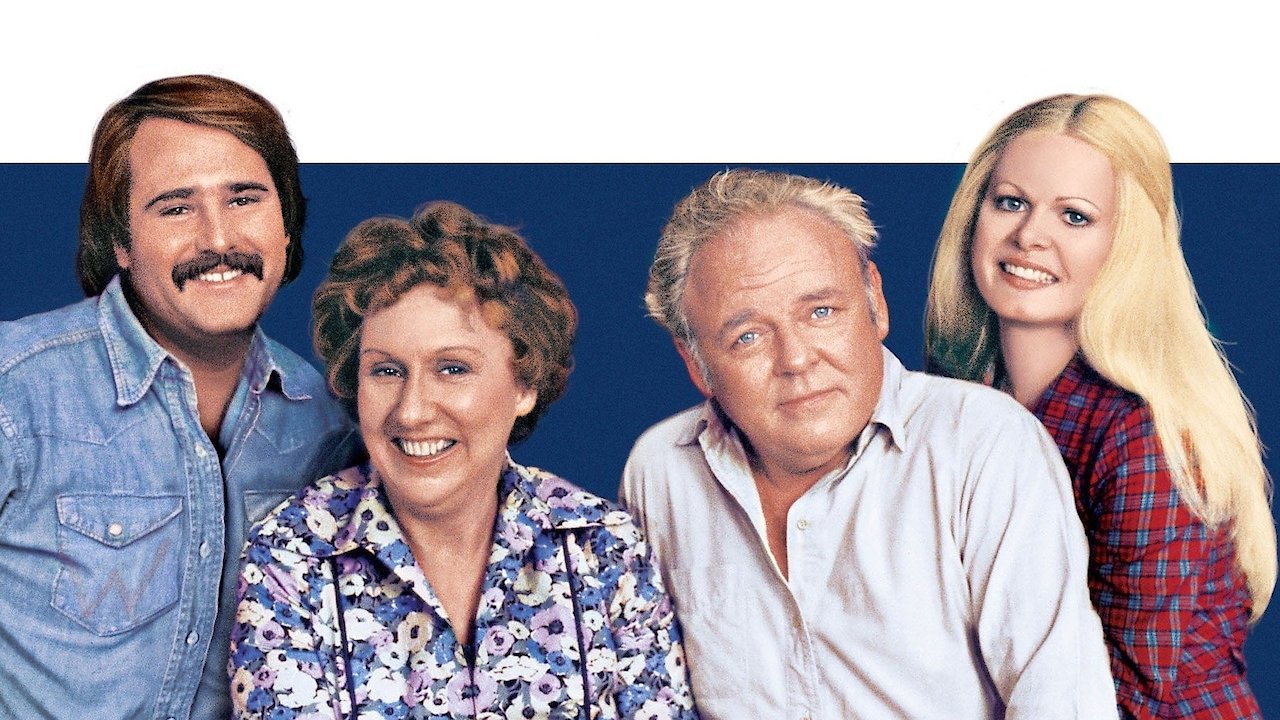
The story unfolds in the Bunker household, where the familiar setting serves as a microcosm for broader societal dialogues. As the episode begins, viewers are reintroduced to the core characters—Archie, Edith, Gloria, and Mike—each embodying different perspectives that fuel both comic relief and poignant drama throughout the series. The episode is set against the backdrop of an ordinary dinner gathering, but of course, in true All in the Family fashion, ordinary takes on a distinctly complex and layered meaning.
Central to the plot is the arrival of a dinner guest, a character who weaves a thread of narrative tension and comedic potential into the fabric of the episode. The dinner hosting quickly transforms from a seemingly straightforward event into a cauldron of diverse viewpoints and unexpected revelations. As the evening unfolds, the guest's presence catalyzes a series of conversations that probe into social norms, class distinctions, and the ever-present ideological clashes that define the Bunker family’s interactions.
Archie Bunker, the show's irascible patriarch, continues to epitomize the working-class conservative viewpoint. His humorous yet often misguided opinions act as a barometer for the shifting cultural landscape of the times. In this episode, Archie's bigoted tendencies and unfiltered remarks contrast sharply against the more liberal outlook of Mike Stivic, his son-in-law. This dynamic sparks many of the episode’s comedic moments, as well as deeper discussions about values, respect, and tolerance.
Edith Bunker, played with warmth and sincerity, serves as the emotional anchor of the family. Her nurturing nature often brings a layer of compassion to the prevailing tensions, and in this episode, her character is pivotal in managing the friction that arises. Edith's efforts to maintain harmony at the dinner table shed light on her role as the peacemaker, often caught in the crossfire of Archie and Mike's fiery debates. Her attempts to diffuse situations with empathy showcase the delicate balance she strives to uphold within her family unit.
Gloria, the Bunkers' daughter, represents the voice of a younger generation navigating the societal shifts of the 1970s. Throughout the episode, her insights reflect a growing awareness of the complexities of human relationships, particularly regarding issues of prejudice and acceptance. Gloria's interactions with both her father and husband illuminate the nuances of familial love and the struggle to bridge differing ideologies, revealing the vulnerabilities inherent in their bonds.
As the dinner progresses, the escalating confrontations become emblematic of the cultural conversations prevalent during the time period. The guest’s responses to Archie’s provocations are infused with a mix of wit and sophistication, adding a unique dimension to the dialogue. This exchange not only amplifies the comedic stakes but also heightens the tension as characters grapple with their preconceived notions and biases.
The Dinner Guest also delves into themes of identity and belonging, as the characters confront their assumptions about each other. The underlying message of the episode emphasizes the importance of understanding and dialogue, even amidst fierce disagreements. The process of getting to know one another, particularly through the lens of shared meals—a fundamental act of community—emphasizes how crucial interpersonal connections are, even across ideological divides.
As the episode reaches its climax, the comedy takes on a darker edge, challenging viewers to confront uncomfortable truths about human behavior and societal constructs. The comedic timing, paired with the poignant revelations, creates an experience that is at once entertaining and thought-provoking. Viewers are left to ponder the complexities of relationships, the necessity of compromise, and the enduring quest for understanding in an evolving world.
The Dinner Guest stands as a testament to All in the Family's ability to tackle heavy themes with a light touch, allowing humor to coexist with serious discourse. The characters demonstrate growth through their interactions, prompting reflections on empathy and human connection—even when faced with stark contrasts in beliefs. This episode undoubtedly contributes to the legacy of All in the Family, cementing its status as a groundbreaking show that remains relevant in its exploration of societal issues, proving that even after decades, the conversations fostered within the Bunker household still resonate today.