All in the Family Season 9 Episode 13 California, Here We Are (2)
- December 17, 1978
- 24 min
-
7.6 (8)
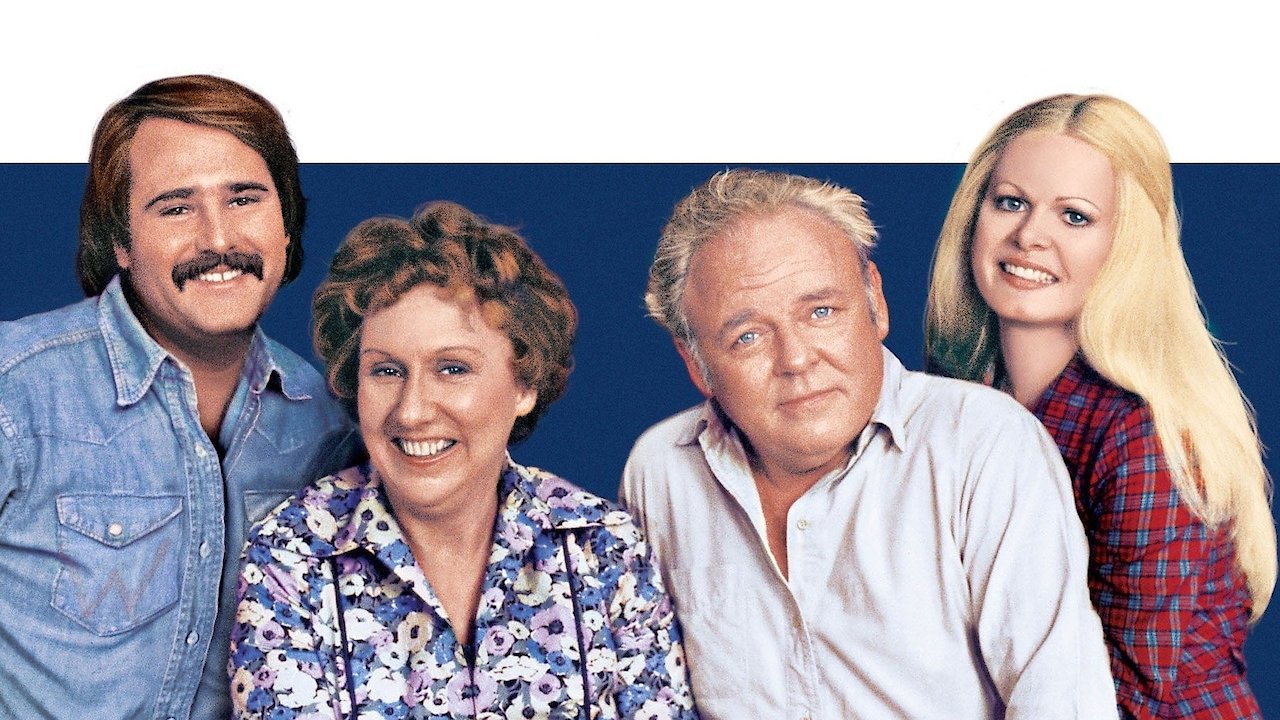
In the continuation of the two-part episode California, Here We Are, the beloved Bunker family finds themselves navigating the challenges and nuances of life in California after their relocation from New York. As the ninth season unfolds, viewers are treated to a blend of humor and poignant moments that encapsulate the essence of family dynamics, social commentary, and the clash of cultural identities.
Archie Bunker, played with trademark acerbity and heart by Carroll O'Connor, is once again at the forefront as he grapples with his sentiments about moving to the West Coast. The transition from the familiar confines of his East Coast home to the glaring sun and diverse atmosphere of California poses hilarious yet thought-provoking challenges. As he encounters the more progressive and varied lifestyles that California has to offer, Archie’s unyielding traditionalism is tested, leading to both comedic and conflict-laden scenarios.
The episode delves deeply into the cultural exchange that occurs when the Bunkers plunge into their new environment. Edith, lovingly portrayed by Jean Stapleton, remains the anchor of the family. Her nurturing spirit is challenged by the different values and perspectives of their Californian neighbors. This time, her resilient optimism shines through as the family faces adversity and uncertainty. Edith's interactions with new friends and acquaintances showcase her ability to adapt and bridge the generational and cultural divides that often create tension.
Meanwhile, Gloria and Mike Stivic, who have recently embraced parenthood, find themselves struggling to adjust to their new home while also dealing with the ups and downs of their own relationship. Their experiences reflect the realities of young parenthood, combined with the broader social changes of the time. Gloria, portrayed by Sally Struthers, brings her strong will and determination into the mix, often serving as the voice of reason amid the chaos of their new life. The evolving dynamics between them highlight themes of partnership, support, and the importance of communication in a marriage.
The episode doesn’t shy away from addressing topical issues of the day, both through the lens of comedy and drama. The social changes of the 1970s are front and center, with the characters often finding themselves at odds with the shifting societal norms. Tensions surrounding topics like race, gender roles, and the evolving American social landscape create a backdrop for understanding how these themes affect the Bunker family at their core.
As new characters are introduced, the diverse cast of neighbors and friends serves to further develop the comedic and dramatic tension. Their interactions with Archie often lead to both humorous misunderstandings and thought-provoking commentary on issues like class, privilege, and the often unspoken but palpable barriers that exist within society. The writers deftly navigate these themes, crafting dialogues that are at once razor-sharp and heartfelt.
The blend of comedic moments and serious undertones is a hallmark of All in the Family, and this episode is no exception. Each character’s idiosyncrasies and perspectives illuminate broader societal issues while keeping the audience engaged through humor and relatable experiences. The sharp wit of the series remains intact, with iconic one-liners and biting comebacks that fans have come to love, all while revealing deeper insights into the characters' growth.
As Archie continues to voice his frustrations and prejudices, viewers also witness moments of introspection and change, which adds depth to his character. His often unyielding stance serves as a source of conflict that highlights the generational and ideological rifts present not just in his family, but in society as a whole. By juxtaposing his reactions against the backdrop of the open-minded Californian culture, the show invites audiences to reflect on the importance of understanding and acceptance in an increasingly diverse world.
Ultimately, California, Here We Are (2) encapsulates the series’ enduring legacy as a groundbreaking sitcom that tackled significant issues with grace and humor. The Bunker family’s journey in this new environment promises laughter, reflection, and an opportunity for growth as they confront their differences while exploring the bonds that hold them together. As drama unfolds and laughter ensues, audiences are left contemplating the complexities of family life amidst the changing social landscape of America in the late 1970s.