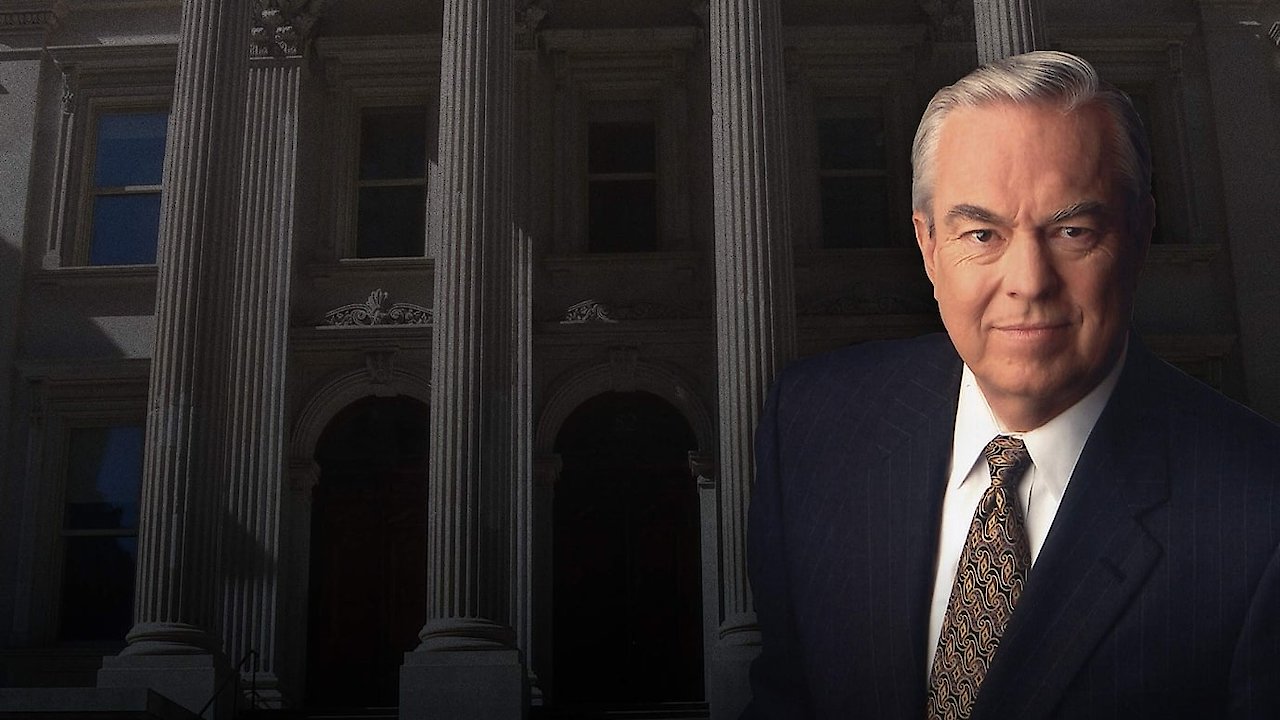
American Justice Season 1993 Episode 6 Charles Starkweather
- June 23, 1993
In the sixth episode of American Justice's 1993 season, titled Charles Starkweather, the series explores the chilling true crime story of a young couple whose violent spree would capture the attention of the American public and leave a lasting mark on American culture and criminal history.
Set against the backdrop of the 1950s, the episode delves into the early life of Charles Starkweather, a troubled teenager from a dysfunctional family in Lincoln, Nebraska. From a very young age, Starkweather exhibited signs of antisocial behavior, feeling disconnected from his peers and struggling to fit into societal norms. His troubled home life and growing sense of resentment would soon find an outlet in a relationship with Caril Ann Fugate, a sixteen-year-old girl who was equally rebellious and seemingly drawn to Starkweather's dangerous allure.
As Starkweather became increasingly disillusioned with his mundane life, he and Fugate developed a bond rooted in their shared sense of alienation. Their relationship quickly spiraled as they decided to leave their small-town lives behind, which ultimately led to a murderous rampage that would terrorize Nebraska and beyond. The episode meticulously outlines how Starkweather's sense of anger and rebellion culminated in a series of heinous acts, beginning with the cold-blooded murder of Caril's family.
The narrative weaves through the examination of Starkweather's motivations, exploring the psychological factors that influenced his violent behavior. Through interviews with criminologists, psychologists, and law enforcement officials, the episode seeks to understand what drove a seemingly average young man to commit such gruesome acts. It raises pertinent questions about the nature of evil, societal neglect of mental health issues, and the impact of a toxic environment on an impressionable youth.
Viewers are taken step-by-step through the sequence of events that led to the couple's cross-country flight, illustrating how their initial thrill-seeking quickly transformed into a full-blown crime spree. The episode incorporates archival footage and photographic evidence from the era, providing a stark visual context that contrasts the innocence of 1950s America with the darkness of Starkweather's actions. Interviews with experts help to dissect the ramifications of the killings on the victims’ families and the greater community, highlighting the shockwaves that reverberated through Nebraska as the stories broke.
Central to the episode is the exploration of societal reaction to Starkweather and Fugate. Their youth, coupled with the sensational nature of their crimes, captivated the media and public alike, leading to a cultural fascination that perpetuated their legacy as icons of a tragic narrative. In this context, American Justice reflects on the media's role in shaping public perceptions of crime and criminality, providing insights into how Starkweather became both a criminal and a media sensation.
Additionally, the episode touches on the legal proceedings that followed Starkweather’s capture, as he was tried for multiple murders. It examines the controversies surrounding his trial, including discussions about his mental state and the question of whether he was fully accountable for his actions. The episode reveals the complexities surrounding the justice system's handling of such cases, shedding light on the broader implications for society at a time when crime rates were rising and public fear was palpable.
The portrayal of Caril Ann Fugate also plays a significant role in the narrative. The episode seeks to examine her involvement and the multifaceted dynamics between her and Starkweather. The complexities of their relationship invite questions about manipulation, consent, and the influence of young love in the face of catastrophic choices, making Fugate's story just as compelling and tragic as Starkweather's.
Throughout American Justice's presentation of this harrowing tale, the chilling atmosphere is complemented by an evocative score and haunting visuals that encapsulate the unease and horror that marked this dark chapter of American history. The episode ultimately serves as a cautionary tale about the fragility of youth and the dangers of unchecked aggression, illuminating how personal demons can culminate in violence with devastating consequences.
By the conclusion of the episode, viewers are left grappling with the lingering effects of Charles Starkweather's crimes on society, not only questioning how a seemingly ordinary young man descended into extraordinary violence but also pondering the dark corners of human nature that can lead individuals down paths of destruction. This exploration is both a retrospective look at a horrifying episode from the past, as well as a commentary on the timeless themes of crime, punishment, and the quest for understanding in the face of unfathomable evil.
