Dirty Jobs Season 5 Episode 3 Animal Rendering
- TV14
- January 20, 2009
- 41 min
-
7.3 (32)
In season 5 episode 3 of Dirty Jobs, titled "Animal Rendering," we join host Mike Rowe as he explores the process of turning animal carcasses into useful products. This episode takes us to a rendering plant in California, where we get an up-close look at the dirty and often gruesome work of transforming animal by-products into valuable commodities.
As the episode begins, we watch as Mike suits up in protective gear and prepares to enter the facility. He meets with plant manager Jeff, who gives him a brief overview of the rendering process before taking him on a tour of the plant.
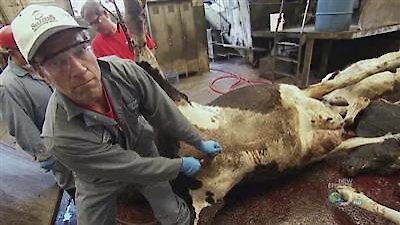
Throughout the episode, we follow Mike as he observes various stages of the rendering process, from unloading animal waste from trucks to cooking it in large vats to separating the resulting oils and solids. Using his signature humor and wit, Mike provides commentary on the sights and smells of the plant, as well as the unique challenges faced by its workers.
One of the most striking aspects of the rendering process is the sheer volume of animal waste handled by the plant on a daily basis. Mike observes mountains of raw animal material being unloaded from trucks, including everything from chicken bones to cow hides. He notes that the facility is processing over a million pounds of animal waste per week, and that much of it is destined for use in pet food, fertilizers, and other products.
Another major theme of the episode is the importance of safety measures in an environment as dangerous as a rendering plant. Throughout the tour, Mike and Jeff point out the various hazards workers face, including high temperatures, slippery floors, and heavy machinery. We see workers donning protective gear and following strict protocols to minimize the risk of injury or illness.
As the tour continues, Mike and Jeff discuss some of the controversial aspects of the rendering industry, including concerns about environmental pollution and the spread of diseases such as mad cow disease. They also touch on the ethical considerations surrounding animal rendering, with Jeff stating that the plant operates under strict regulations to ensure that no diseased or contaminated animals are processed.
Despite the difficult and often grisly work involved in animal rendering, Mike notes that many of the workers he meets seem to take pride in their jobs. He speaks with one employee who has worked at the plant for over 30 years, and who describes the sense of satisfaction he feels in knowing that he is contributing to the production of useful products.
Overall, "Animal Rendering" is a fascinating and eye-opening look at a little-understood industry. Through Mike's engaging narration and the plant workers' firsthand accounts, we come away with a better understanding of the complex and messy process that transforms animal waste into essential goods.