Hot Bench Season 3 Episode 138 Harassed While Giving Birth?!; You're Not Entitled to Paradise!
- February 14, 2017
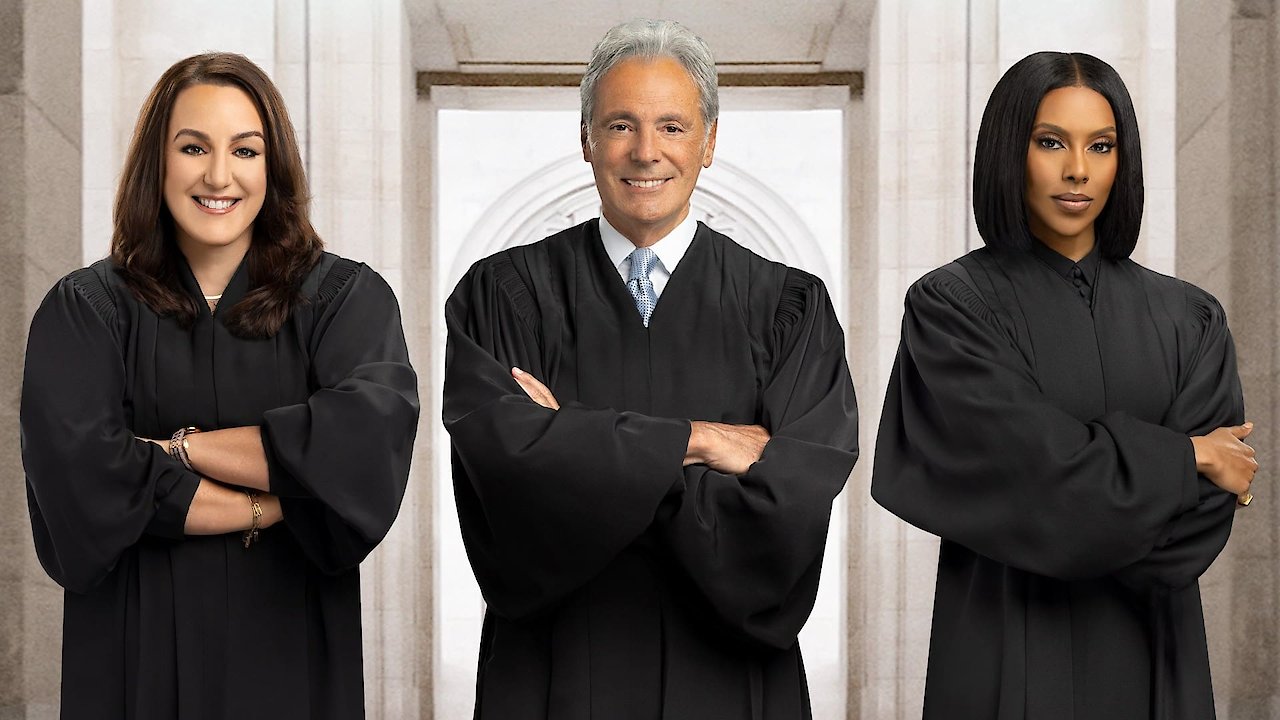
In Hot Bench season 3 episode 138, titled "Harassed While Giving Birth?!; You're Not Entitled to Paradise!", three judges preside over two separate cases that deal with the importance of respecting other people's boundaries and entitlements.
The first case involves a woman who claims she was harassed while she was giving birth. She sues a hospital for violating her privacy and causing her emotional distress when a male nurse entered the delivery room without her consent. The hospital, on the other hand, argues that the nurse only entered the room briefly to perform his duties and that the woman's reaction was exaggerated. The judges have to evaluate the evidence presented by both sides and decide whether the hospital should be held responsible for the woman's alleged trauma.
The second case involves a girl who is suing her father for reneging on a promise to buy her a house in Hawaii. The father claims that he never made the promise, and even if he did, he is not obligated to fulfill it because his daughter is not entitled to paradise. The daughter argues that her father's promises caused her to plan her life around the expectation of living in Hawaii, and that his refusal to fulfill them has caused her significant emotional distress. The judges have to determine whether the father's promises were legally binding, and whether the daughter is entitled to compensation for her alleged suffering.
Throughout the episode, the judges use their legal expertise and life experience to question and challenge the arguments presented by both sides. They ask probing questions, highlight contradictions and inconsistencies, and offer insights into the nuances of the law. They also provide commentary on the broader issues raised by the cases, such as the importance of informed consent in medical procedures and the complex dynamics of family relationships.
By the end of the episode, the judges render their verdicts and offer their thoughts on the cases. They draw on legal precedents, ethical considerations, and common sense to arrive at their decisions, reminding viewers of the importance of fairness, compassion, and respect in all interactions.
