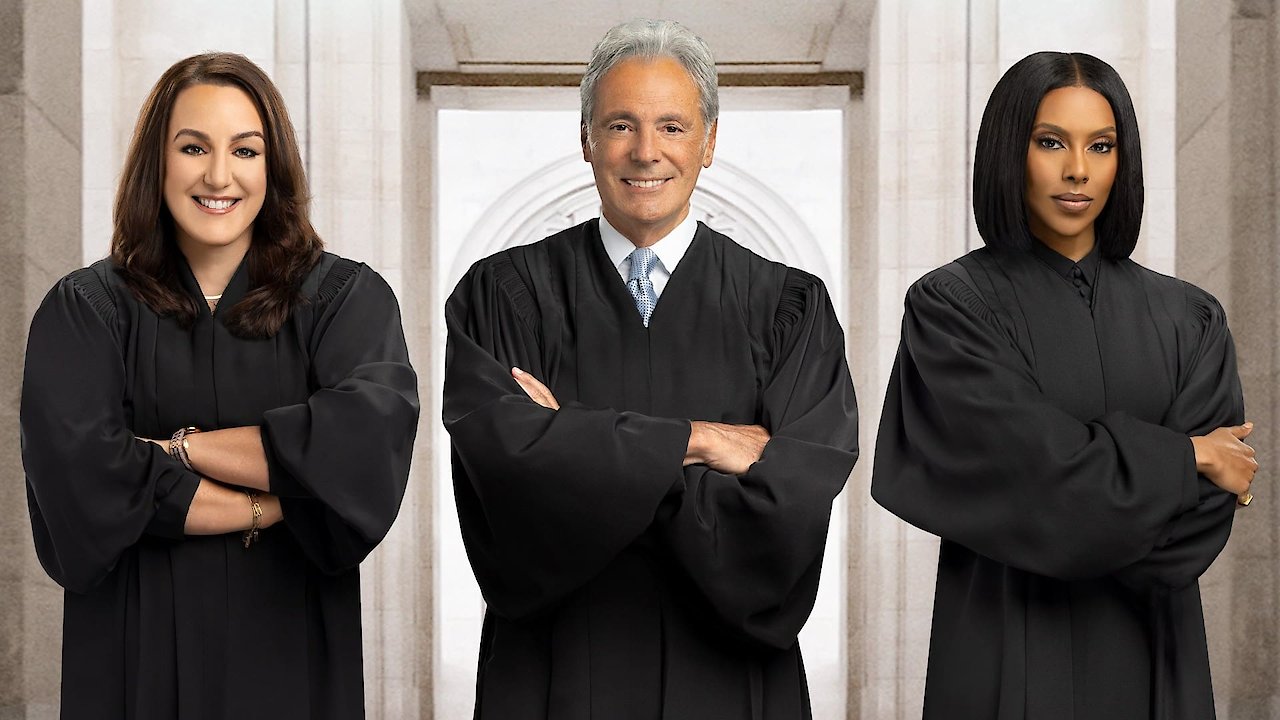
Hot Bench Season 4 Episode 62 Hair Salon Lockout?; Tattoo Double Regret!
- November 8, 2017
On this episode of Hot Bench, two cases are heard by the three judges. In the first case, a hair salon owner accuses her former business partner of locking her out of the salon, which they jointly owned. The plaintiff claims that she was not given access to the salon and its equipment for several weeks, causing her financial loss. The defendant, on the other hand, argues that the plaintiff breached their contract and also failed to pay rent on time, leading to the lockout.
As the judges hear the arguments, they try to determine who breached the contract first and whether the lockout was justified or not. They also examine the evidence presented by both sides, including a written agreement and text messages exchanged between the two parties. One of the judges raises the question of whether the plaintiff's claim for lost income is based on speculation or actual losses, leading to an interesting debate between the judges.
In the second case, a man regrets getting two tattoos from the same artist, claiming that they were "unprofessional" and "amateurish". The plaintiff accuses the tattoo artist of negligence and poor quality work, causing him emotional distress and embarrassment. The defendant argues that the plaintiff did not properly follow the aftercare instructions and that the tattoos were created to the plaintiff's specifications.
The judges examine the tattoos and listen to the testimony of both parties, trying to determine whether the tattoos were indeed of poor quality or whether the plaintiff's expectations were unrealistic. One of the judges also raises the issue of whether the plaintiff has a right to demand a refund for a service that is deemed unsatisfactory, leading to a discussion of consumer protection laws.
Throughout both cases, the judges engage in lively debates, asking tough questions and challenging the arguments of both sides. They also draw on their own experiences and personal knowledge to make informed decisions and provide insightful commentary. Ultimately, they strive to deliver fair and balanced judgments that uphold the principles of justice and fairness.
