In Living Color Season 2 Episode 24 Homey The Sellout: Part 1
- TV-14
- May 12, 1991
-
6.8 (53)
In Living Color season 2 episode 24, titled Homey The Sellout: Part 1, is a unique comedic exploration of identity, culture, and the often complex relationship between art and commerce. This episode serves as a powerful commentary on the pressures faced by artists and creators, particularly within the African American community, as they navigate the landscape of success and its implications on their authenticity and values.
The setting opens with Homey D. Clown, portrayed brilliantly by David Alan Grier, who has become an iconic character known for his mischievous spirit and sharp wit. Homey, clad in his traditional clown garb, embodies the struggle of many artists: staying true to oneself while faced with overwhelming pressures from the outside world. Throughout the episode, Homey specifically grapples with the temptations of selling out for fame, fortune, and commercial success, highlighting the age-old dilemma of compromising one’s artistic integrity for mainstream acceptance.
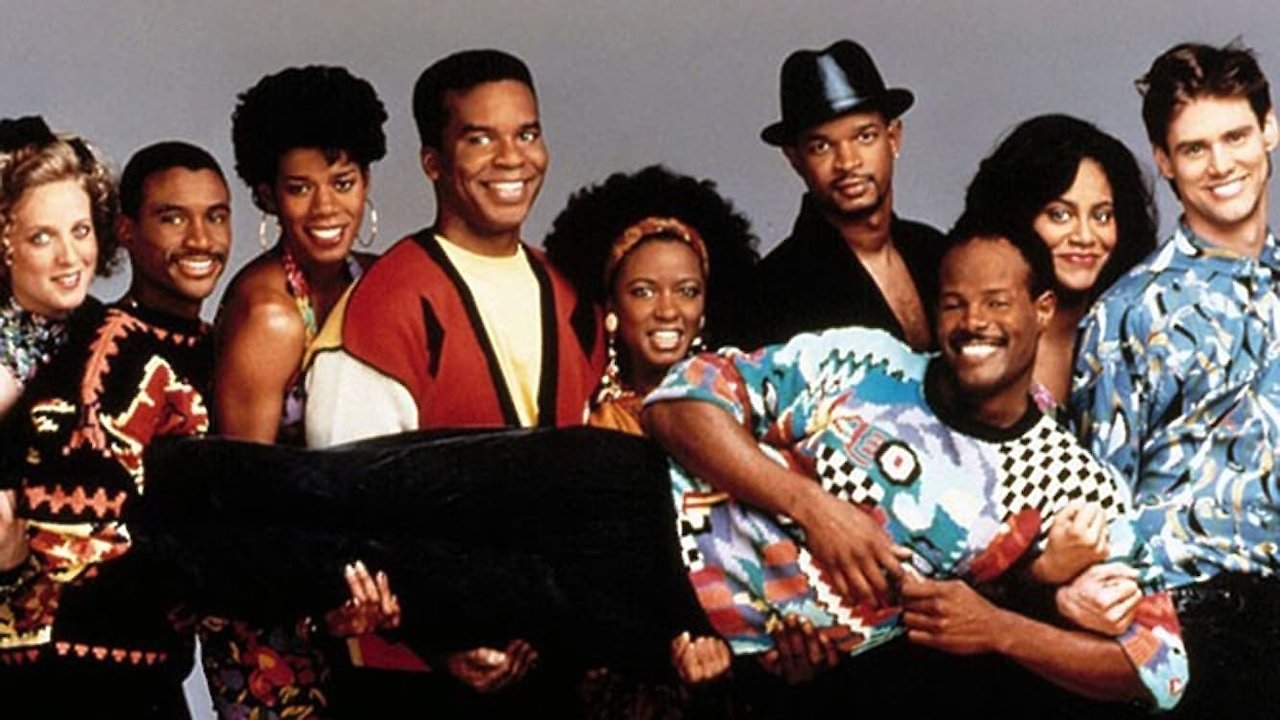
As the episode unfolds, viewers are treated to a series of hilarious yet insightful sketches that capture Homey's internal and external conflicts. We see him interact with a broad range of characters, each representing different facets of society's expectations. This ensemble cast brings the comedic energy that In Living Color is renowned for, using humor as a vehicle to discuss serious themes without losing the show's signature lightheartedness.
The narrative arc cleverly juxtaposes the struggles of Homey with an array of absurd scenarios. From encounters with flamboyant producers who want to package him into a sanitized version of his true self, to humorous group discussions about the value of cultural pride versus commercial gain, the episode brilliantly navigates these topics while delivering a steady stream of laughs. The comedic timing and the absurdity of each situation amplify the central theme, allowing viewers to ponder the choices artists face in the pursuit of success.
One of the standout components of this episode is its satirical take on the entertainment industry. The show does not shy away from poking fun at the often superficial nature of fame, using Homey’s experiences to shine a light on the contradictions within the media landscape. Through clever parody, the episode addresses how race and identity are often commodified in popular culture, questioning the authenticity behind such representations.
Additionally, Homey’s interactions with other beloved characters in the series provide contrast and depth to his journey. The episode features the return of familiar faces who each have their own interpretations of what it means to succeed. These encounters spark some unexpectedly profound moments, prompting Homey to reflect on his choices, his values, and the emotional toll of conforming to societal expectations. The dynamic between Homey and these characters keeps the narrative engaging, allowing for both comedic relief and poignant moments that resonate with the audience.
As the episode reaches its climax, viewers are left with a deeper understanding of the complexities surrounding the notion of selling out. Homey's spirited rebellion against losing himself in the pursuit of fame provokes laughter while simultaneously encouraging viewers to think critically about their own choices and definitions of success. In Living Color masterfully balances humor and heartfelt commentary, making Homey The Sellout: Part 1 a memorable installment in its second season.
In terms of production, this episode also shines through its innovative use of music and dance, which were hallmarks of the show. The lively performances add a vibrant layer, captivating audiences and enhancing the overall experience. The choreography often mirrors the themes explored in the dialogue, driving home the message about the interplay between cultural expression and commercial viability.
Overall, Homey The Sellout: Part 1 is a thought-provoking and entertaining episode of In Living Color that brilliantly captures the essence of the show’s unique brand of humor. It tackles serious themes with an approach that is both engaging and accessible, ensuring that it remains relevant to discussions about art, identity, and the pressures that come with fame. By centering on Homey D. Clown's journey, the episode not only entertains but also invites viewers to reflect on the broader implications of their own lives and the choices they make. This blend of comedy and social commentary is what continues to solidify In Living Color’s place as a groundbreaking show in television history.