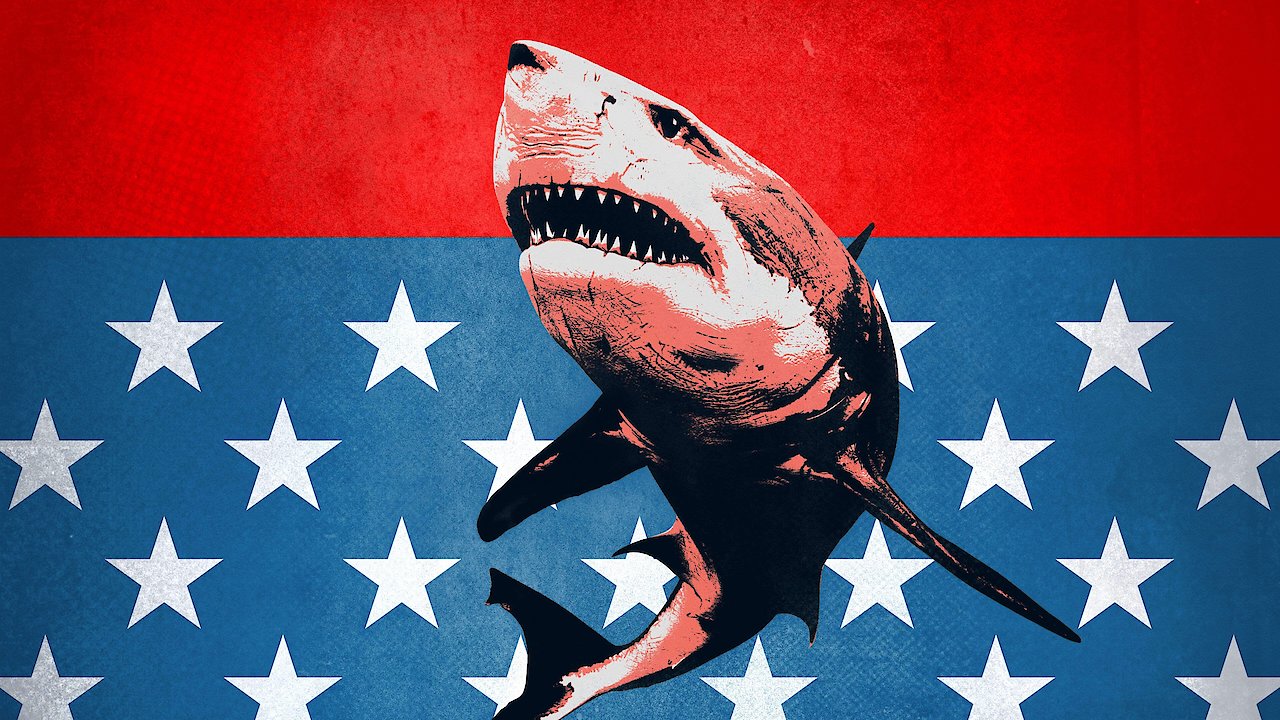
Shark Week Season 18 Episode 1 Shark Rebellion
- July 30, 2006
Shark Rebellion is the first episode of the 18th season of the Shark Week series. This episode focuses on the rise of shark populations in some of the most unexpected places in the world. From small rivers to shallow waters, sharks are making their presence known and causing a stir in the local communities.
The show takes us on a journey to different parts of the world where shark sightings have become increasingly common. We begin in New Jersey, where a sudden influx of bull shark sightings off the coast has caused a panic among beachgoers. Experts believe that warmer waters and rising sea levels are responsible for the sharks venturing into shallower waters to breed.
Next, we travel to Costa Rica, where the bull shark population has exploded in the Sierpe River. This is unusual, as bull sharks are known to prefer saltwater environments. The show explains that the heavy rainfall in the area has caused the river to become more brackish, making it an attractive breeding ground for the sharks.
The episode then takes us to Western Australia, where great white sharks have been spotted in the shallows of popular beaches. This is a stark contrast to their typical deep-sea habitat, and experts are unsure why they are moving into the shallows. The show suggests that a decline in their typical prey, such as seals and sea lions, may be pushing them towards more coastal areas in search of food.
The final destination on our journey is the Bahamas, where tiger sharks have become so prevalent that they are now being categorized as a nuisance shark. In the past, tiger sharks were known to be solitary creatures that preferred to hunt at night. However, recent studies have shown that they are now gathering in large groups during the day and becoming bolder in their behavior towards humans.
Throughout the episode, we hear from various experts who provide insight into the changing behavior of these sharks. They explain that climate change, ocean warming, and overfishing are all contributing factors leading to the rise in shark populations in unexpected areas. This increased human-shark interaction is creating a need for better understanding and management of these animals to ensure both their safety and ours.
The show ends on a hopeful note, as we see the positive impact that conservation efforts can have on shark populations. Through initiatives such as banning shark finning and establishing marine protected areas, we can help to preserve these important apex predators and their ecosystems.
In Shark Rebellion, audiences are taken on a thrilling journey to explore the changing behavior of some of the world's most fearsome creatures. The show provides fascinating insight into the ecological factors that are driving these changes and highlights the need for careful management of these animals in order to protect both them and ourselves.
