Shark Week Season 2013 Episode 7 Top 10 Sharkdown
- TV-14
- August 7, 2013
- 42 min
-
(11)
In season 2013 of Shark Week, viewers were treated to an exciting episode titled "Top 10 Sharkdown," which showcased the most outstanding and most dangerous sharks in the ocean. It was all about the biggest, the fastest, the deadliest, and the most incredible hunting machines that swim our seas.
This episode was a countdown of the top ten sharks voted by fans and experts alike, where each shark was rated based on its size, strength, speed, and hunting abilities. From the Great White Shark, known for its massive size and ferocity, to the Hammerhead Shark, famed for its unique head shape that helps it catch prey, the show explored the wonders of these magnificent creatures through in-depth analysis, real-life footage, and expert commentary.
The program started by introducing the ten sharks that made it to the top of the list, beginning with the smallest but most fascinating of them all, the Pygmy Shark. With its compact size, the Pygmy Shark is the tiniest of all shark species, measuring only six inches long. The show dove into what makes these miniature sharks so interesting, including their bioluminescence and their ability to communicate without sound.
Next on the list was the Tiger Shark, known for its unique hunting style and fierce reputation. The episode highlighted the tiger shark's incredible sense of smell that allows it to detect prey from miles away and its sharp teeth that can crush through even the toughest bones. They also explored how Tiger Sharks are one of the few shark species that can swallow prey whole, which helps them survive in their often fierce environments.
Continuing the countdown, the show then explored the Hammerhead Shark, found to be one of the most unique shark species on the planet. With its distinct head shape, the Hammerhead shark has more surface area in its brain, allowing it to easily hone in and attack its prey. The episode discussed the fascinating electro-sensitivity of this shark and its adaptation to swim in autonomous schools.
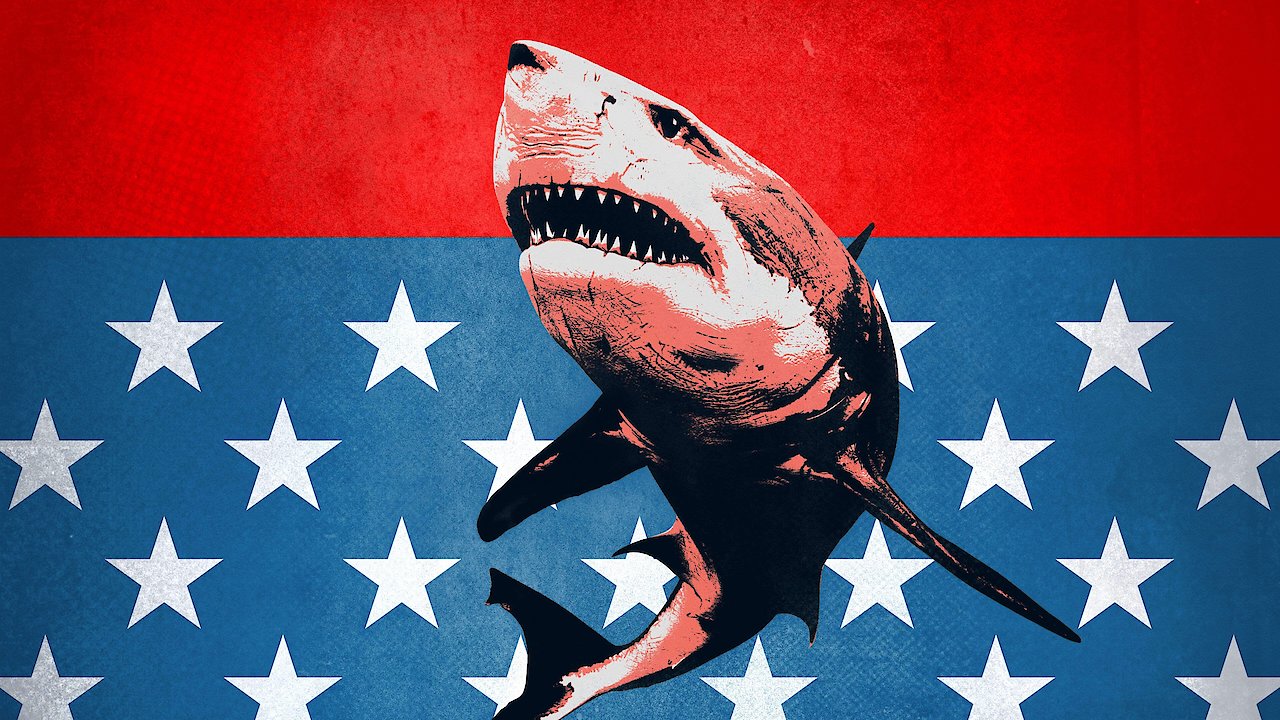
Moving on, viewers were treated to the Great White Shark, perhaps the most famous shark of all. This ferocious beast can grow up to 20 feet long and weigh more than 5,000 pounds, making it one of the most impressive hunters in the ocean. With its incredible acceleration, it can swim up to 25 miles per hour, and its infamous tooth-whitening behavior was highlighted. As one of the most studied sharks, tons of scientific data was shared, including tracking its migration over long distances.
At fifth place was the Makos Shark, the fastest shark in the oceans. Makos can reach speeds of over 70 miles per hour and are known for their incredible agility, making them some of the most formidable hunters in the open sea. The show dove into the Makos' ability to generate a puncturing and powerful bite through reinforced septa in their jaws.
Following the Makos, the Australian Ghost Shark, the Sawfish, and the Greenland Shark were introduced, each with their own unique traits and impressive adaptations to their environment. The episode went deep into their habitats and behaviors, looking at things like traditional leisures, prey, and feeding cycles.
The program's final two sharks were the Bull Shark and the Oceanic White Tip Shark. Bull Sharks are dangerous to humans, as they can swim in brackish waters (the combination of freshwater and saltwater ecosystems where humans also swim) and have a high level of aggression inherent to their species. The show illustrated the incredible biting force and ferocity of these sharks.
Oceanic White Tips, on the other hand, may not be as aggressive as Bull Sharks, but they are one of the most deadly species to humans. The episode discussed the influence of temperature on sharks' behavior, as well as the dangers humans face when fishing in the open sea.
Ultimately, "Top 10 Sharkdown" was a thrilling and educational experience about the dangerous yet fascinating world of sharks. The show explored sharks of all sizes, shapes, and species, providing an in-depth analysis of their impressive adaptations and behaviors. It was an eye-opening view of these magnificent creatures and gave viewers a glimpse into how they live and thrive in the ocean's vast and complex ecosystem.