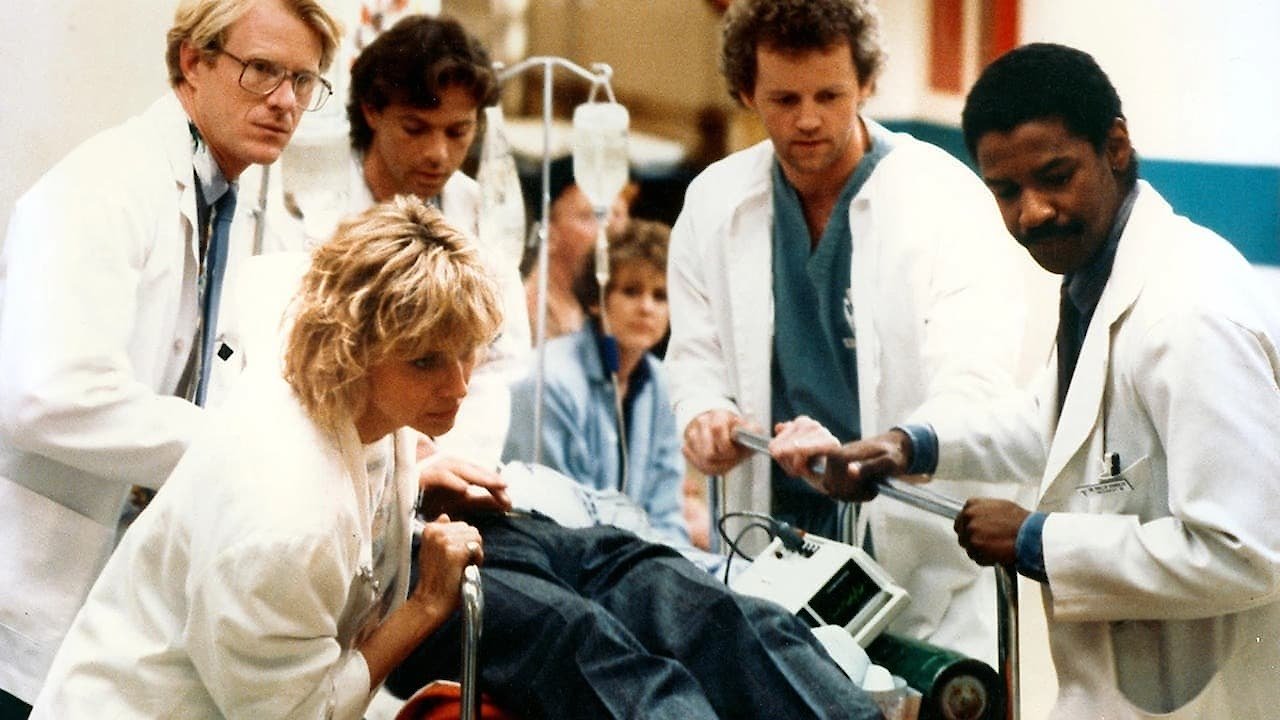
St. Elsewhere Season 1 Episode 14 Remission
- TVPG
- February 22, 1983
- 49 min
-
8.0 (64)
In the poignant and dramatic landscape of St. Elsewhere, season 1, episode 14, titled Remission, viewers are once again transported to the bustling corridors of Boston's St. Eligius Hospital, a place known as much for its chaotic environment as for its unwavering commitment to patient care. This episode poignantly explores the themes of hope, recovery, and the emotional complexities faced by both healthcare professionals and their patients as they navigate the often unpredictable course of illness.
As the episode unfolds, various storylines interweave, presenting a vivid portrait of life within the hospital. At the heart of the narrative is the struggle of patients battling chronic illnesses and the efforts of the staff who dedicate themselves to providing compassionate care. The episode poignantly examines how the concept of remission can bring both relief and anxiety to patients and their families, highlighting the fragile nature of health and the deep-seated fears that accompany the word.
Dr. Ben Samuels, a seasoned physician at St. Eligius, finds himself dealing with the ramifications of a complex case involving a young patient who has recently achieved remission from a severe illness. While this is a cause for celebration, it also presents new challenges as the patient's journey takes unexpected turns, prompting Ben to grapple with the reality that recovery is often fraught with uncertainty. Through Ben’s compassionate interactions with the patient and their family, viewers gain insight into the delicate balance between hope and fear that permeates the lives of those touched by illness.
Meanwhile, the episode intricately weaves in the personal struggles of other staff members. Dr. Mark Craig, the head of surgery, exhibits a no-nonsense attitude as he confronts the emotional fallout of a decision that impacts the life of a patient in his care. Mark's character is tested as he wrestles with the ethical dilemmas inherent in medical practice, forcing him to reflect on the implications of his decisions. His interactions with both patients and colleagues present a rich exploration of the moral complexities that doctors must navigate.
Nurse Helen Rosenthal, a devoted and compassionate caregiver, finds herself at the crossroads of professional duty and emotional connection. She becomes personally invested in a patient’s recovery, highlighting the often-overlooked emotional labor nurses undertake in their roles. Through Helen's experiences, viewers witness the powerful bond that can form between caregivers and their patients, emphasizing the importance of empathy and understanding in the healing process.
As the episode progresses, various subplots unfold, including the ever-present backdrop of hospital politics and the dynamics between different medical departments. The camaraderie and tensions among staff members add depth to the storyline, showcasing the collaborative yet sometimes contentious environment of St. Eligius. Humor intersperses the serious tones, as the characters navigate their own personal conflicts while confronting life-and-death situations.
Remission also invites viewers to examine the role of family in the healing process. The episode intertwines the narratives of patients with their loved ones, highlighting how relationships can be both a source of strength and a focal point of struggle. Families must often reconcile their hopes for recovery with the harsh realities of their loved ones' conditions, making for emotionally charged interactions that resonate deeply.
The cinematography and pacing of the episode effectively draw audiences into the frenetic world of the hospital, mirroring the unpredictability of medical emergencies. Close-ups of characters’ expressions capture their vulnerabilities, fears, and moments of triumph, providing a visual commentary on the intricate dance of life that unfolds within the hospital walls.
Overall, St. Elsewhere's Remission is a powerful episode that encapsulates the essence of the hospital drama genre. It combines intense emotional storylines with real-world medical challenges, inviting viewers to reflect on the human condition in the face of adversity. The narrative’s emphasis on both the triumphs and setbacks of medicine presents a nuanced view of healing, beckoning the audience to ponder the complex tapestry of life, illness, and the indomitable spirit of hope. As the episode concludes, characters are left to grapple with their own paths and the paths of their patients, ensuring that the emotional resonance lingers long after the credits roll.