St. Elsewhere Season 6 Episode 14 Curtains
- TVPG
- February 3, 1988
-
8.2 (34)
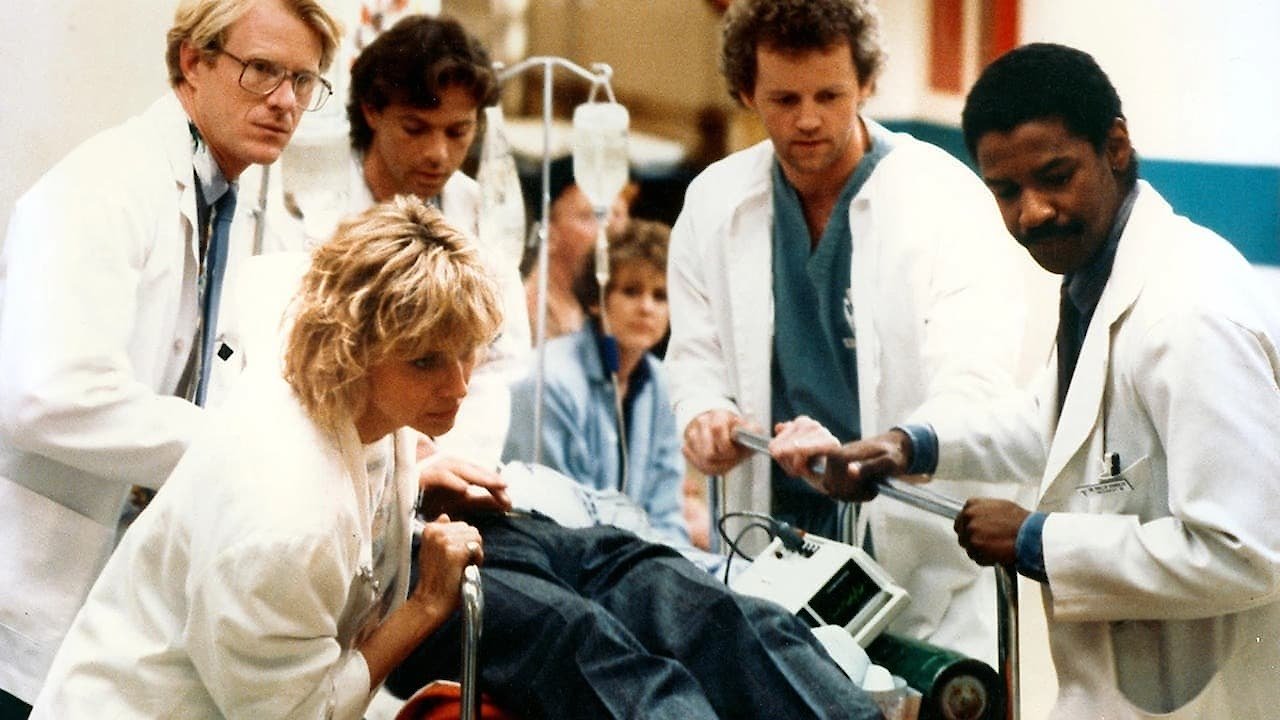
In the poignant and introspective season 6 episode 14 of St. Elsewhere, titled Curtains, the narrative weaves a tapestry of emotional complexities and professional dilemmas, set against the backdrop of the fictional Boston General Hospital. The ensemble cast, with their richly developed characters, continues to explore the multifaceted nature of life in a busy urban hospital, where personal and professional lives often collide in unexpected ways.
As the episode unfolds, viewers are reintroduced to the familiar, bustling environment of the hospital, where challenges abound and each day brings new trials for the dedicated staff. The episode delves deep into the themes of mortality, legacy, and closure, capturing the essence of what it means to confront the inevitable changes that life brings.
One of the central arcs in Curtains revolves around Dr. Mark Craig, a prominent surgeon known for his razor-sharp wit and no-nonsense approach to medicine. In this episode, Craig faces a moral quandary that forces him to reassess his priorities and the impact of his decisions on his patients and colleagues. As Craig navigates the complexities of a particularly challenging case, he finds himself reflecting on his own life choices and the toll that his career has taken on his personal relationships. This moment of vulnerability adds depth to his character and prompts viewers to reflect on the sacrifices often demanded in the pursuit of professional excellence.
Simultaneously, the episode highlights the ongoing struggles of Dr. Dixie McCall, the ever-competent head nurse whose compassion often serves as the heart of the hospital. Dixie is caught in a situation where she must advocate for a patient’s rights while also managing the expectations of hospital administration. Her unwavering dedication to her patients is put to the test as she navigates the treacherous waters of bureaucracy and ethics, underscoring the importance of unwavering empathy in the medical field.
Throughout Curtains, the supporting characters also have their moments to shine. Dr. Wayne Fiscus, with his characteristic mix of humor and earnestness, finds himself entangled in a personal narrative that echoes the larger themes of the episode. His interactions with patients reveal both the absurdities and the profound realities of healthcare, serving to lighten the mood even as more serious issues are addressed. Meanwhile, characters like Dr. Victor Ehrlich and Nurse Rosenthal contribute their own perspectives on the challenges faced within the hospital walls and provide insight into the evolving dynamics of teamwork and camaraderie in this high-stakes environment.
The backdrop of the hospital itself becomes a character in its own right, contributing to the thematic richness of the episode. The sterile corridors and bustling wards of Boston General serve as a stark contrast to the emotional and personal struggles faced by its staff. This physical space, filled with the sounds of machinery and the whispers of anxious families, amplifies the intensity of the narratives unfolding within its walls.
As the episode progresses, tension builds towards a climax that invites reflection on the fragility of life and the indelible mark that each individual leaves behind, whether through their professional accomplishments or personal legacies. The emotional stakes are high as the characters grapple not only with their patients' health crises but also with their own vulnerabilities and fears. The intricate storytelling encourages viewers to ponder the connection between care, compassion, and the human experience.
Curtains expertly balances moments of levity with poignant drama, showcasing the exceptional writing that has become a hallmark of St. Elsewhere. The episode is punctuated with sharp dialogue, nuanced performances, and unexpected twists that keep audiences engaged while prompting deeper thought about the role of healthcare providers in the lives of their patients.
In this exploration of life’s complexities, St. Elsewhere invites viewers into a world where the intersections of personal and professional life are ever-present. The characters’ journeys resonate on both personal and collective levels, urging audiences to empathize with their struggles while also reflecting on their own relationships with love, loss, and healing. As the episode draws to a close, the sense of closure is palpable, leaving audiences both satisfied and contemplative about the lessons learned and the fragility of life itself.
Curtains stands as a testament to the power of storytelling in addressing universal truths, reminding us all that in the face of adversity, the enduring strength of the human spirit shines through. This episode, like many others in the series, reinforces the notion that, while curtains may fall on some chapters, they also pave the way for new beginnings, both in medicine and in life.