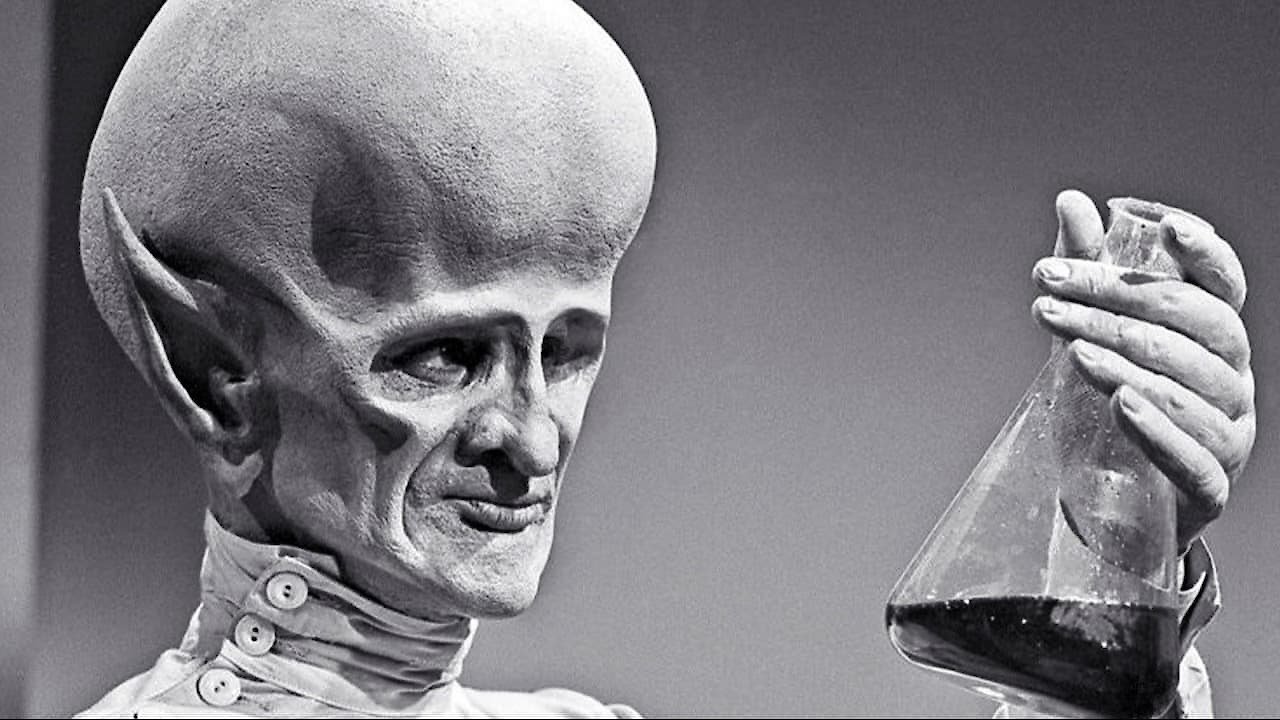
The Outer Limits Season 3 Episode 12 Double Helix
- TV-PG
- March 28, 1997
- 44 min
-
7.1 (377)
In the eerie and thought-provoking realm of The Outer Limits, season 3’s episode "Double Helix" explores the delicate interplay between science, morality, and the human condition. Set against a backdrop where the boundaries of scientific advancement are pushed to their limits, this episode delves into the profound implications of genetic experimentation and the quest for immortality.
The narrative centers around a brilliant but ethically ambiguous scientist who is captivated by the potential of DNA and genetic manipulation. As she embarks on a groundbreaking project to unlock the secrets hidden within the double helix structure of DNA, she envisions a future where the human race can transcend its mortal limitations. The episode provocatively raises questions about the nature of humanity, the essence of life, and the unforeseen consequences of tampering with the fundamental building blocks of existence.
As the scientist meticulously conducts her experiments, the audience is drawn into the emotional and intellectual turmoil that accompanies her pursuit. She must grapple with the weight of her discoveries, confronting her own ambitions and the impact her actions may have on the world. The episode expertly captures the tension between progress and moral responsibility, inviting viewers to reflect on the ethical boundaries of scientific exploration.
Complementing the gripping storyline is a rich cast of characters who contribute to the narrative's emotional depth. Relationships become strained as those around the scientist begin to question her motives and the validity of her research. The dynamic between her and her colleagues illustrates the broader conflicts that arise in the pursuit of knowledge. The dialogue is infused with philosophical reflections on life, death, and the consequences of playing God.
Visually, "Double Helix" employs striking imagery and haunting cinematography that enhances the atmosphere of both wonder and dread. As the protagonist delves deeper into her research, the visuals serve to highlight the contrast between the awe-inspiring nature of science and the potential horrors that can emerge from unchecked ambition. The episode’s pacing allows for a gradual buildup of tension, leaving viewers on the edge of their seats as they anticipate the outcomes of the scientist’s actions.
The soundtrack further amplifies the emotional stakes, using dissonant tones and unsettling melodies that reflect the internal and external conflicts at play. As moral dilemmas unfold, the haunting score articulates the dark themes of humanity’s relentless pursuit of knowledge and the potential repercussions of overreaching into realms best left unexplored.
As "Double Helix" progresses, viewers are confronted with the challenging question: at what cost does advancement come? The episode deftly weaves scientific intrigue with a cautionary tale of hubris, leaving audiences to ponder the delicate balance between innovation and ethics. The dramatic climax escalates the intensity, forcing the protagonist to face the realities of her choices and the impossible situation she finds herself in.
Ultimately, "Double Helix" serves as a poignant reflection on the dual nature of human ambition. It invites viewers to consider the responsibilities that accompany scientific discovery and the potential ramifications of ignoring ethical considerations in the name of progress. Through its compelling narrative and rich thematic content, the episode stands as a memorable entry in The Outer Limits anthology, continuing to resonate with audiences long after its original airing.
As with many episodes of The Outer Limits, "Double Helix" challenges viewers not only to engage with the possibilities of the future but also to reflect on the moral implications of humanity’s relentless march toward progress. Its exploration of the intersection between science and ethics remains a relevant conversation in today's world, making it a thought-provoking and enduring episode in the series. As the credits roll, viewers are left to ponder their own beliefs about the boundaries of science and the essence of what it means to be human in a rapidly changing world.
