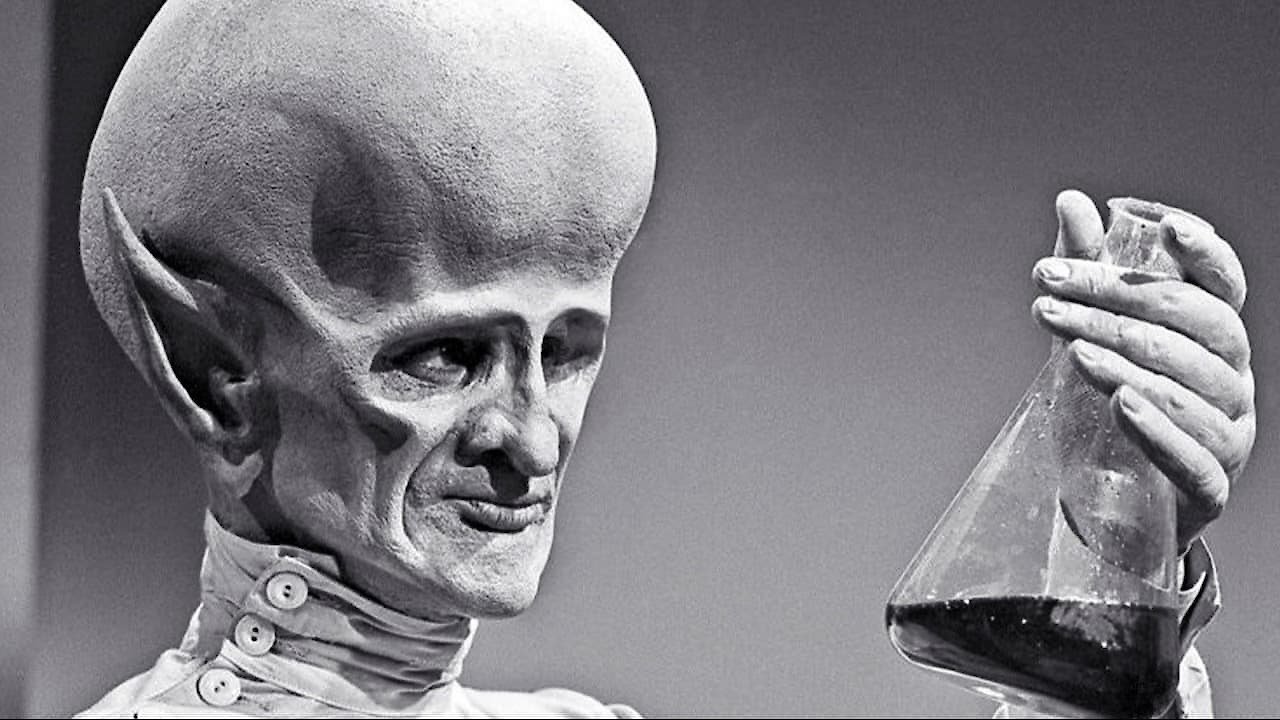
The Outer Limits Season 3 Episode 13 Dead Man's Switch
- TV-PG
- April 4, 1997
- 44 min
-
7.9 (453)
In the unforgettable 13th episode of Season 3 of The Outer Limits, titled Dead Man's Switch, viewers are drawn into a captivating narrative that intertwines science fiction with suspense and psychological intrigue. As the series is known for exploring the tension between humanity and technology, this episode masterfully delves into the moral dilemmas faced by individuals when confronted with the consequences of their actions.
The story centers around a brilliant but reclusive scientist who has dedicated his life to the development of cutting-edge technology. This scientist, introduced as an enigmatic figure, is on the brink of a groundbreaking invention that promises to change the world. However, his genius is overshadowed by his paranoia, driven by the fear that his creation could fall into the wrong hands. This fear manifests into a series of events that set off a chain reaction of tension and dread.
The character dynamics within Dead Man's Switch are particularly compelling. As the narrative unfolds, the scientist becomes increasingly paranoid and isolated, questioning who can truly be trusted. The audience is taken on a psychological journey as they witness the scientist's descent into a world of doubt, forced to confront both external threats and his internal conflicts. The supporting characters, who play crucial roles in this drama, oscillate between allies and adversaries, adding layers of complexity to the storyline.
One of the central concepts explored in this episode is the idea of control—both in the context of the scientist's invention and in the broader scope of human agency. The title itself, Dead Man's Switch, implies a mechanism for ensuring that systems are deactivated in the event of a malfunction or an inability to maintain control. This theme resonates throughout the episode, prompting viewers to consider the implications of technologies designed with fail-safes versus those that operate without checks and balances.
Visually, the episode utilizes a combination of striking cinematography and atmospheric set designs to enhance the tension. The dimly lit laboratory fills with shadows, creating an unsettling backdrop for the unfolding drama. The restrained use of special effects charting the potential of this technology is intriguing, allowing the viewers’ imaginations to fill in the gaps, ensuring that the focus remains on the characters and their psychological struggles.
As tensions rise, ethical dilemmas are deftly woven into the plot. The scientist grapples with questions about the implications of his work: Is he a creator of progress or a harbinger of chaos? The episode does not shy away from addressing the potential hazards of unchecked ambition and the responsibilities that come with scientific advancement.
Dead Man's Switch also tackles themes of betrayal and loyalty, drawing audiences into the intricacies of personal relationships under duress. The dialogues carry weight as characters reveal their true motivations, challenging the scientist to make critical choices that will define his legacy. The tension builds steadily, culminating in a climax that prompts viewers to reflect on the fragile line between innovation and destruction.
Music plays a crucial role in enhancing the episode's suspense. The haunting score complements the visual elements, heightening the audience's emotional engagement as events unfold. Moments of intense drama are underscored by an unsettling auditory experience, making the stakes feel more immediate and real.
As the episode draws to a close, viewers are left with a sense of unresolved tension, exemplifying The Outer Limits' trademark ethos of leaving audiences with thought-provoking questions. Dead Man's Switch serves not only as an entertaining narrative but also as a cautionary tale about the powers inherent in modernization and the ethical responsibilities that come hand-in-hand with profound innovation.
In summary, Dead Man's Switch is a striking episode within The Outer Limits' esteemed anthology, rich with psychological intrigue and moral complexity. It challenges viewers to consider the ramifications of human ingenuity while exploring the delicate balance of power, trust, and the unforeseen consequences that can arise from our pursuits. As this episode unfolds, it becomes evident that the true horror may not lie within the technological advancements themselves, but rather in the human decisions that govern their use, encapsulating an essential theme that resonates throughout the series.
