The Outer Limits Season 4 Episode 8 Right Of Passage
- TV-PG
- January 23, 1998
- 44 min
-
6.5 (271)
In the compelling episode of The Outer Limits titled Right Of Passage, we delve into the intricate dynamics of humanity, technology, and the concept of evolution through a thrilling narrative that intertwines the psychological and the fantastical. This episode serves as a thought-provoking exploration of what it means to be human in an age of ever-advancing scientific discovery.
Set against the backdrop of a near-future society, the storyline introduces us to a world that is on the brink of significant technological breakthroughs. The episode opens by showcasing a group of gifted young adults who have been selected to undergo a pioneering experiment that could redefine the essence of human potential. The atmosphere is charged with both excitement and trepidation, as these individuals embark on a journey that promises to expand the boundaries of human intellect and capability.
The central theme of Right Of Passage revolves around the idea of transformation and the trials these young adults must face as they embrace their new identities. Each character reveals their unique motivations for joining this ambitious project, ranging from a desire for power and recognition to a deep-rooted wish for self-improvement. As the storyline unfolds, we are gradually drawn into their individual struggles, which reveal not only their hopes and fears but the broader implications of tampering with nature.
One of the key elements that make this episode stand out is its exploration of the interpersonal relationships that develop among the participants. The camaraderie that forms is juxtaposed with underlying tensions and rivalries, as the characters grapple with the burdens that their newfound abilities impose on them. Themes of jealousy, ambition, and the quest for supremacy emerge, prompting viewers to question the ethical ramifications of such experimentation.
The character development is notably intricate. We meet various individuals within the group, each representing different facets of human behavior and societal values. Their interactions bring to light the innate conflicts between individual desires and collective harmony. The portrayal of these relationships is both nuanced and engaging, adding depth to the overarching premise of transformation.
As the experiment progresses, the narrative escalates, introducing unforeseen challenges that push the characters not only to their physical limits but also to their emotional and psychological breaking points. The tension builds as the participants confront personal demons and external obstacles that complicate their journey. This tension serves to heighten the stakes, leading to an emotionally charged climax that resonates with themes of identity, morality, and the essence of humanity.
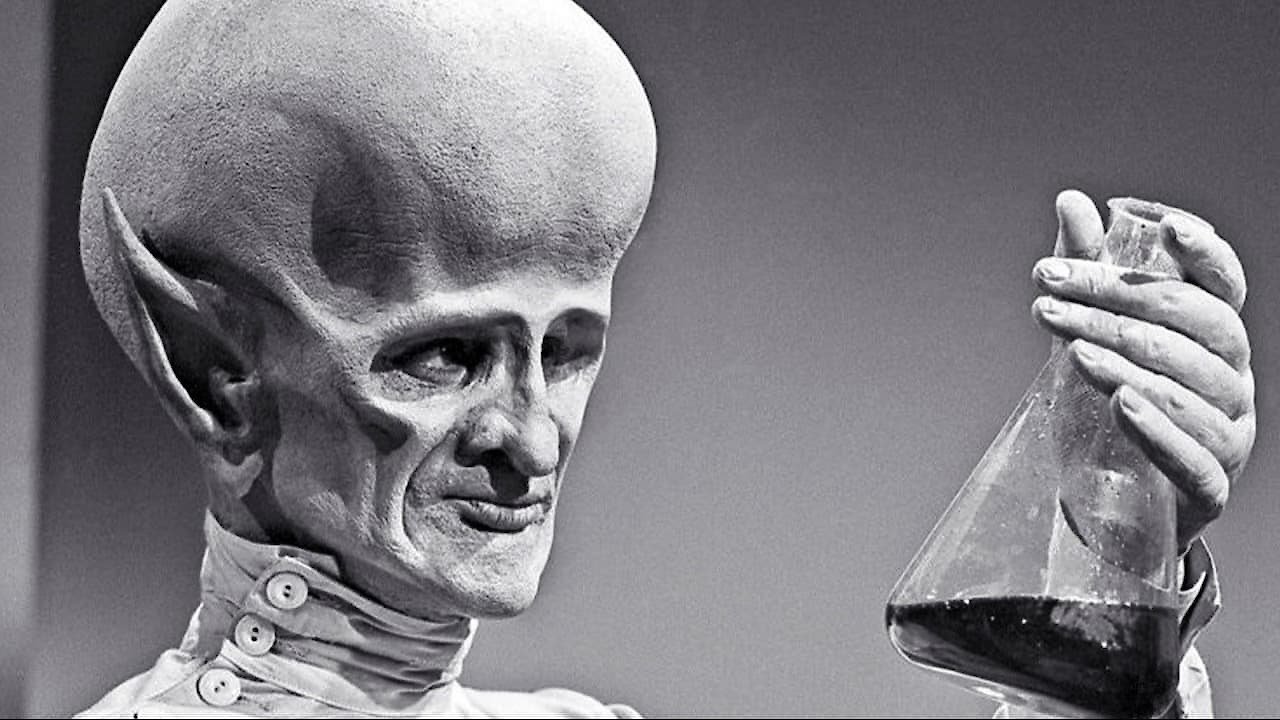
Visually, Right Of Passage is emblematic of the 1960s science fiction aesthetic, using innovative cinematography and striking production design to create a sense of otherworldliness. The set pieces and costumes reflect the era’s vision of the future, blending elements of optimism and caution that are characteristic of The Outer Limits series. This visual storytelling works in tandem with the narrative, enhancing the viewers' immersion in the unfolding drama.
The episode also delves into philosophical questions regarding the nature of progress. Are there limitations to how far humanity should go in the pursuit of enhancement? What costs are we willing to pay for the sake of advancement? Right Of Passage doesn’t shy away from these heavy inquiries, prompting viewers to reflect on their own beliefs about science, ethics, and the human condition.
In conclusion, Right Of Passage is a standout episode of The Outer Limits that expertly weaves together compelling character arcs and thought-provoking themes. It challenges viewers to consider the potential consequences of human ambition set against the backdrop of rapid technological advancement. The storytelling is rich, layered, and relevant, making it a notable entry in the anthology series that leaves a lasting impression. As the characters navigate the complexities of their choices and the inherent unpredictability of change, audiences are left contemplating the fine line that separates human achievement from moral transgression. Ultimately, this episode serves as a reminder that the quest for evolution—be it personal, societal, or technological—comes with profound responsibilities and implications that extend far beyond the laboratory.
