Ghost In The Shell: Stand Alone Complex Season 2 Episode 24 IN: Aerial Bombing of Dejima; NUCLEAR POWER
- TV-NR
- May 13, 2006
- 25 min
In the thrilling finale of Ghost In The Shell: Stand Alone Complex season 2, titled IN: Aerial Bombing of Dejima; NUCLEAR POWER, the intricate dance of humanity and technology reaches a fever pitch as the stakes escalate dramatically. Set against a backdrop of political tension and cybernetic warfare, the episode presents a gripping narrative that delves deep into the complexities of power, ethics, and the dire consequences of unchecked technological advancement.
The episode opens with a sense of urgency, transporting viewers to Dejima, an artificial island that serves as a symbol of progress, but also a battleground for ideologies clashing in the near-future landscape. The atmosphere is thick with unease as the ramifications of a recent political maneuver unfold, setting the stage for an impending crisis that threatens not only the stability of Japan but also the fragile balance of power in international relations.
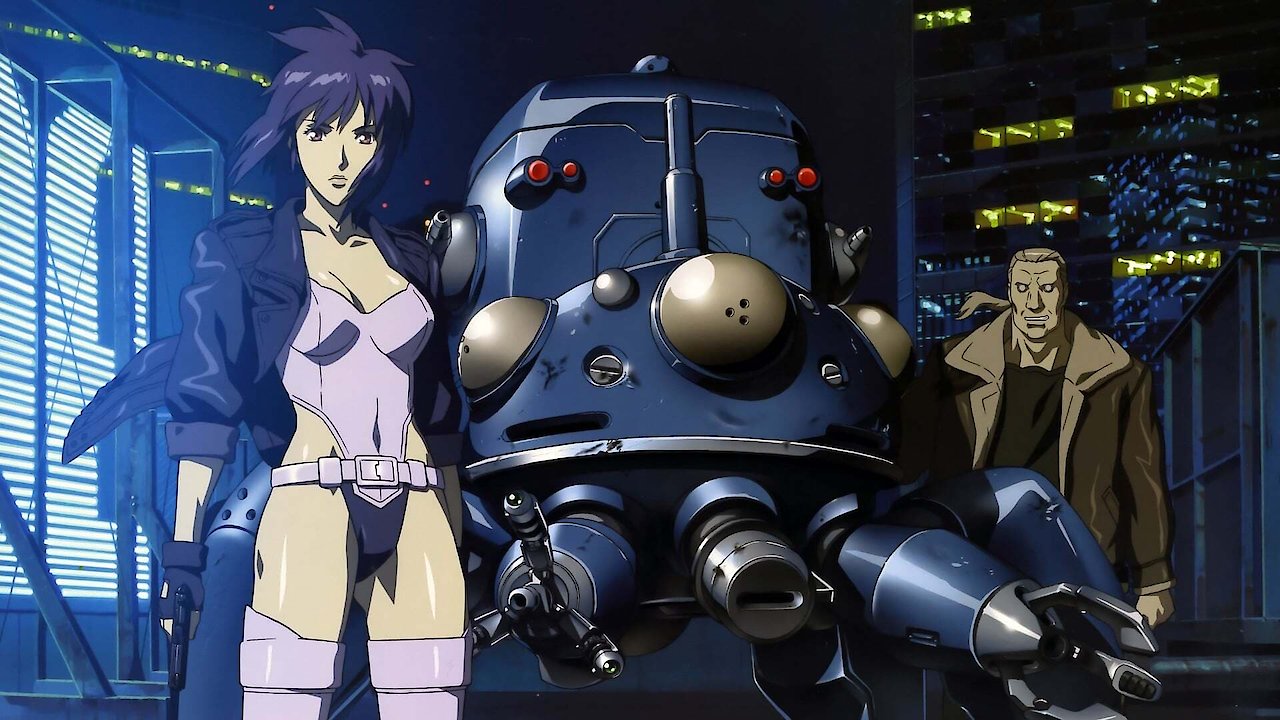
As the members of Section 9 navigate this treacherous new reality, Major Motoko Kusanagi emerges as a beacon of resilience and astute leadership. Known for her comprehensive understanding of both human emotion and machine logic, the Major leads her team through the complex web of conspiracy and subterfuge that envelopes Dejima. With the stakes higher than ever, her resolve is tested as she confronts the moral ambiguities inherent in their mission.
The threat of a potential nuclear escalation looms large as the episode explores the ethical dilemmas surrounding nuclear energy and its military applications. This theme resonates deeply with contemporary discourse, reflecting society's ongoing struggles with environmental concerns and the consequences of scientific progress. The narrative expertly weaves these themes into the fabric of its world, prompting viewers to engage with questions of responsibility, safety, and the unforeseen risks of technological innovation.
As Section 9 receives fragmented intelligence suggesting a coordinated attack, the tension ratchets up to a breaking point. The air is fraught with anxiety as the characters grapple with their own motivations and fears. Each member of the team brings their unique skill set to the table, showcasing the power of collaboration in the face of chaos. Batou, Togusa, and the others all play crucial roles, their individual arcs intersecting with larger themes of loyalty, sacrifice, and the quest for truth.
Visual storytelling in this episode is nothing short of breathtaking; the animation shimmers with detail, bringing to life both the bustling streets of futuristic cities and the stark, imposing landscapes of military installations. The sound design complements the visuals, creating a visceral experience that immerses viewers in the narrative. Action sequences are expertly choreographed, and the tension builds methodically, keeping the audience on the edge of their seats.
As the story progresses, the narrative deepens, offering reflections on the nature of consciousness and existence. The cast wrestles not only with the external threats posed by hostile forces but also with their own identities as individuals whose lives have been irrevocably transformed by cybernetic enhancements. This exploration adds a philosophical layer to the plot, inviting viewers to contemplate the essence of what it means to be human in a world increasingly dominated by technology.
The episode also introduces a range of secondary characters, each representing a facet of the societal spectrum affected by advancements in technology and warfare. From corporate elites to government officials, their motivations and interactions highlight the multifaceted nature of the conflict, emphasizing how intertwined personal interests and national security can become.
As the climax approaches, the tension reaches its zenith, leading to a series of unforeseen twists that challenge the characters’ perceptions of loyalty and truth. The narrative dexterously juggles multiple arcs, drawing threads from throughout the season to create a cohesive and satisfying resolution. Issues of trust, betrayal, and redemption converge, culminating in a final confrontation that encapsulates the series' central themes.
As the episode unfolds, it becomes clear that this is not merely a battle for survival but a profound commentary on the human condition itself. IN: Aerial Bombing of Dejima; NUCLEAR POWER encapsulates the fear, hope, and complexity of a world teetering on the brink of transformation, leaving audiences with lingering questions and reflections that resonate long after the credits roll.
This season finale is a testament to the series' ability to blend action, philosophy, and character development into a thought-provoking and visually stunning narrative. Viewers are left to ponder the implications of the choices made by the characters, as well as the broader societal issues raised throughout the plot, ensuring that this episode will be remembered as a powerful conclusion to an exceptional season of Ghost In The Shell: Stand Alone Complex.