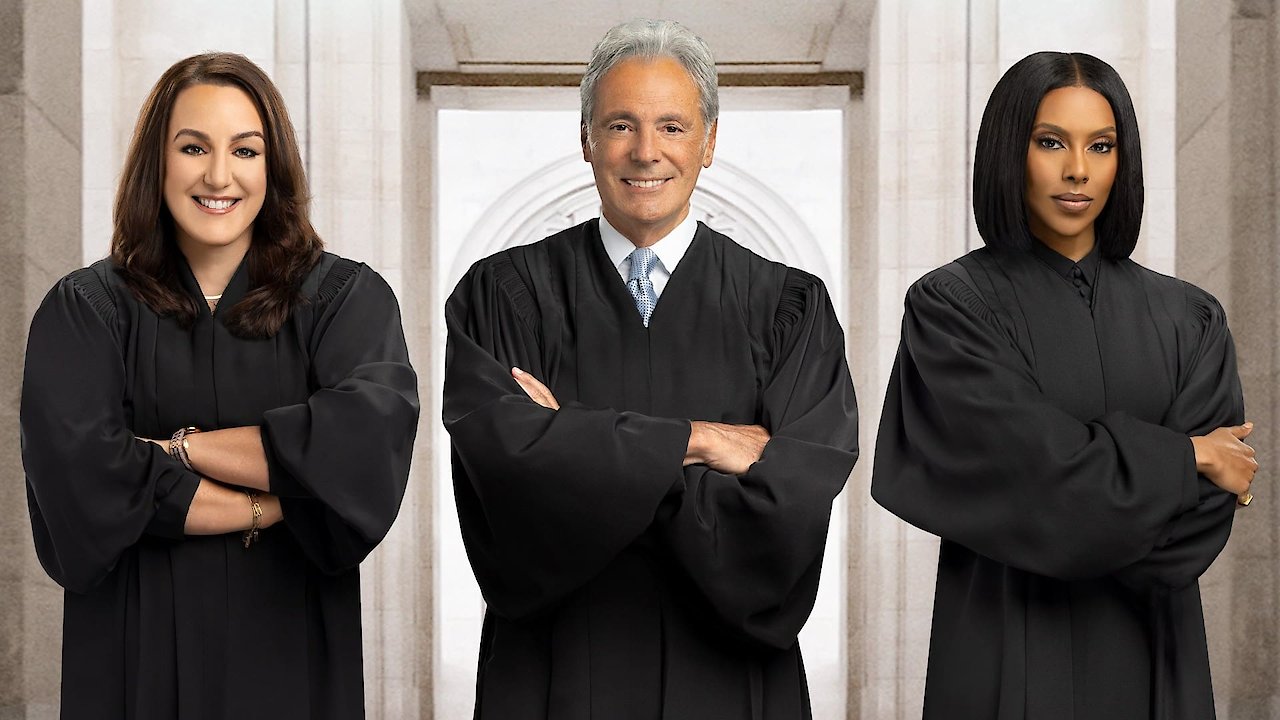
Hot Bench Season 3 Episode 182 Unwanted Advances or Bad Timing?; Victimized by a Friend?!
- May 11, 2017
In Season 3, Episode 182 of Hot Bench, titled Unwanted Advances or Bad Timing?; Victimized by a Friend?!, the courtroom is set for a riveting exploration of personal relationships, boundaries, and the complexities of social interactions. This episode takes viewers deep into the heart of a dispute that not only challenges the principles of friendship but also juxtaposes the intricacies of consent and unwanted advances.
As the episode unfolds, we are introduced to two plaintiffs, friends turned adversaries, who are embroiled in a legal battle that arises from a deeply personal situation. The atmosphere in the courtroom is charged with emotion as each party seeks to articulate their perspective on an incident that has significantly impacted their lives and friendship. The complexities of human behavior come to the forefront, urging the judges and the audience to consider where the line is drawn between friendship and unwelcome advances.
The first plaintiff recounts their version of events, emphasizing feelings of betrayal and discomfort stemming from actions they describe as unwanted. With a palpable sense of vulnerability, they reveal how the situation disrupted their peace of mind and their sense of safety within their circle of friends. The emotional weight of their testimony captivates the judges and prompts them to reflect on the importance of consent and the necessity of respecting personal boundaries.
In contrast, the defendant presents a different narrative. They argue that what transpired was a misunderstanding rooted in poor timing rather than intentional wrongdoing. Their defense hinges on a belief that the interactions were misinterpreted and that their intentions were never malicious. This perspective introduces an intriguing dynamic, prompting the judges to consider the nuances of communication and interpretation in friendships. The line between what constitutes a friendly advance and what is deemed inappropriate becomes increasingly blurred as both sides unfold their accounts.
Throughout the episode, the judges leverage their keen insights to dissect the testimonies. Their probing questions challenge both parties to reflect deeply on their actions and the implications of their relationship. The judges emphasize the necessity for clear communication and the role that context plays in interpersonal relationships. Viewers are invited to think critically about how societal norms influence our perceptions of acceptable behaviors, especially among friends.
As the courtroom drama intensifies, witnesses are summoned, shedding light on the connection between the two friends. Their testimonies introduce layers of complexity, revealing a history of camaraderie that is now marred by this conflict. The judges listen intently, allowing their collective wisdom to unfold as they draw parallels between the testimonies and the broader implications of friendship dynamics.
At the heart of this episode lies a pivotal question: Can people truly separate their personal feelings from the legalities of a situation? The judges recognize that this case reflects not just a legal dispute, but also a moral and ethical conversation about respect, consent, and the potential consequences of our actions in a close-knit community.
Throughout the episode, the interplay between the plaintiffs and the defendant unveils a tapestry of emotions including hurt, anger, and confusion. The judges endeavor to maintain the balance of compassion and justice, aimed at resolving the issue while also addressing the emotional ramifications for both parties. Their thoughtful deliberation underscores the importance of understanding both sides and striving for a resolution that takes into account the emotions involved.
As the episode draws to a close, viewers are left to ponder the significance of the outcome. The ultimate resolution—whether it be a judgment in favor of one party or an amicable agreement—serves as a broader commentary on friendship, communication, and respect for one another’s feelings. It urges audiences to reflect on their own relationships and consider what it means to support friends while also respecting personal boundaries.
Unwanted Advances or Bad Timing?; Victimized by a Friend?! promises to be an engrossing episode of Hot Bench that not only entertains but also educates. By tackling such sensitive and relevant issues, it creates a dialogue about the complexities of human interaction in our everyday lives. Audiences tuning in are sure to gain valuable insights into the dynamics of friendship, consent, and communication that will resonate long after the credits roll.
