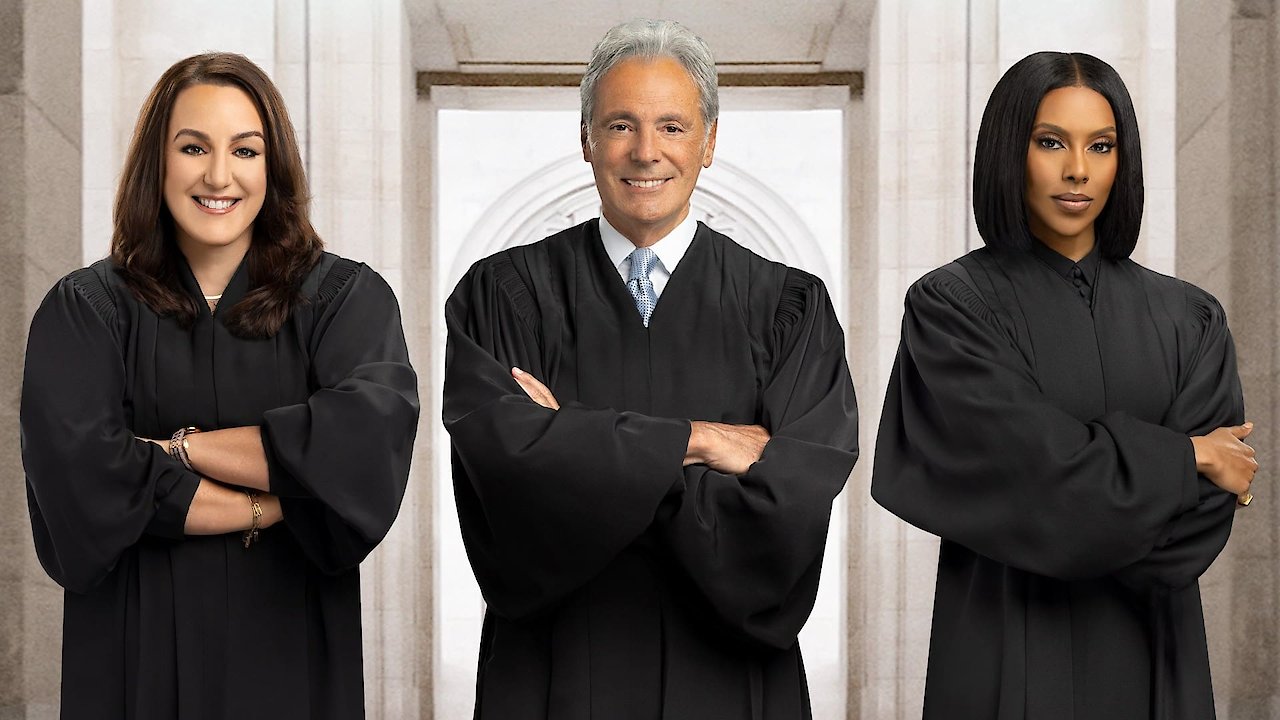
Hot Bench Season 3 Episode 211 Mold and Mushroom Bathroom?!; Unwanted Passes and the Insurance Payout?
- July 3, 2017
In season 3 episode 211 of Hot Bench, three judges preside over three separate cases, all of which revolve around everyday legal disputes between plaintiffs and defendants. The first case involves a couple who is suing their landlord over a serious mold problem in their bathroom, which has caused them health problems and forced them to move out of the apartment. The landlord argues that the tenants never reported the issue to him, but the plaintiffs maintain that they repeatedly alerted him to the problem. The judges must determine whether the landlord is responsible for the mold and whether the plaintiffs are entitled to damages.
The second case centers around a woman who claims she has been the victim of unwanted advances from a coworker. The plaintiff argues that she told the defendant several times that she was not interested in a romantic relationship, yet he persisted in asking her on dates and making suggestive comments. The defendant, meanwhile, insists that he never acted inappropriately towards the plaintiff and that she is making false accusations against him. The judges must weigh the conflicting testimony and decide whether the defendant's behavior amounted to harassment.
The final case of the episode concerns a man who is seeking a large insurance payout after his vehicle was stolen and later found damaged. The plaintiff argues that the insurance company is refusing to pay out what he is owed for the loss of his car, and that he has incurred significant expenses as a result. The insurance company, however, maintains that the plaintiff's claim is fraudulent, and that he is attempting to profit from a staged theft. The judges must determine whether the plaintiff is entitled to the payout he is seeking, or whether the insurance company is right to suspect him of fraud.
Throughout the episode, the judges engage in lively debates over the merits of each case, questioning witnesses and poking holes in each party's arguments. While each case is distinct, they all raise important questions about personal responsibility, legal accountability, and the ethics of everyday life. Ultimately, the judges must deliver their verdicts, considering both the letter of the law and the lived experiences of the parties involved.
