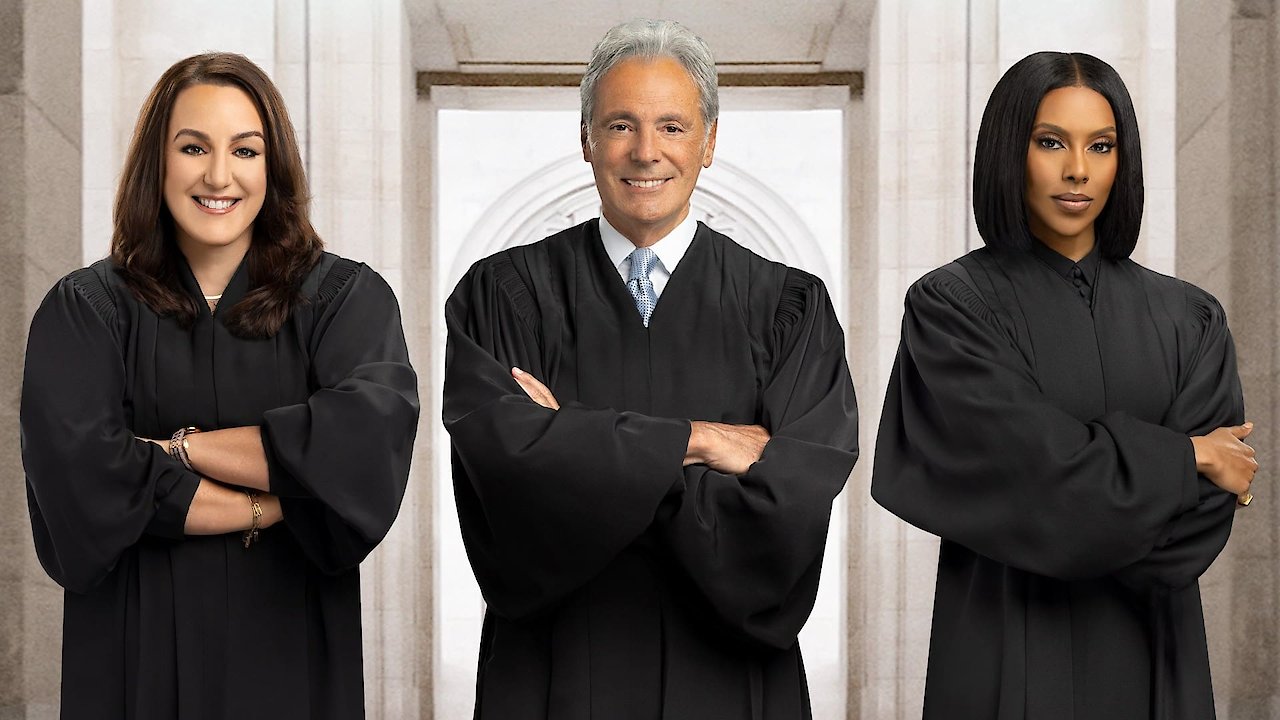
Hot Bench Season 3 Episode 98 Flipped Cars and Disappearing Cash!; Zero Tolerance for Racial Slur
- January 3, 2017
In Hot Bench season 3 episode 98, titled "Flipped Cars and Disappearing Cash!; Zero Tolerance for Racial Slur," Judge Acker presides over two unique cases that raise important legal and ethical questions.
The first case involves a man named Peter, who claims that his car was wrongfully repossessed. According to Peter, he was in the process of making payments on the car when a repo agent showed up and took it away without any warning or explanation. Peter is seeking damages from the lending company, but the defendant claims that Peter missed multiple payments and that the repossession was fully justified.
The case becomes even more complicated when Peter reveals that he had left some cash in the glove compartment of the car when it was taken. He alleges that the repo agent stole the money, and that the lending company is responsible for the theft since they hired the repo agent in the first place. The defendant denies any knowledge of the missing cash and argues that they have no responsibility for the actions of the repo agent.
As Judge Acker delves deeper into the case, she uncovers more details about Peter's financial history and the lending company's policies. She must weigh the evidence and determine whether or not the repossession was legal, and whether Peter is owed any compensation for the missing cash.
The second case deals with an incident of racial discrimination in the workplace. Plaintiff Natasha claims that her former boss, Mr. Gibson, repeatedly used racial slurs against her and other African American employees. Natasha alleges that Mr. Gibson made derogatory comments about their skin color, hair texture, and intelligence, and that he created a hostile work environment that made it impossible for her to continue working at the company.
The defendant, Mr. Gibson, denies the allegations and claims that he never used racial slurs or acted inappropriately towards his employees. He argues that Natasha was fired for poor performance, not because of any discriminatory behavior on his part.
Judge Acker must navigate the difficult terrain of workplace discrimination and determine whether or not Natasha's claims are valid. She examines the evidence presented by both sides and considers the broader context of racial tensions in the workplace. Ultimately, she must decide whether or not Mr. Gibson's behavior constitutes harassment and whether Natasha is entitled to compensation for her mistreatment.
As the two cases unfold, tensions rise and emotions run high in the courtroom. Judge Acker must use her legal expertise and moral judgment to make difficult decisions that will have a lasting impact on the lives of those involved. The episode underscores the importance of fair and impartial justice, and highlights the complexities of legal cases that deal with issues of race, class, and power.
