Hot Bench Season 6 Episode 78 Mugged and Bleeding from Brain!
- December 11, 2019
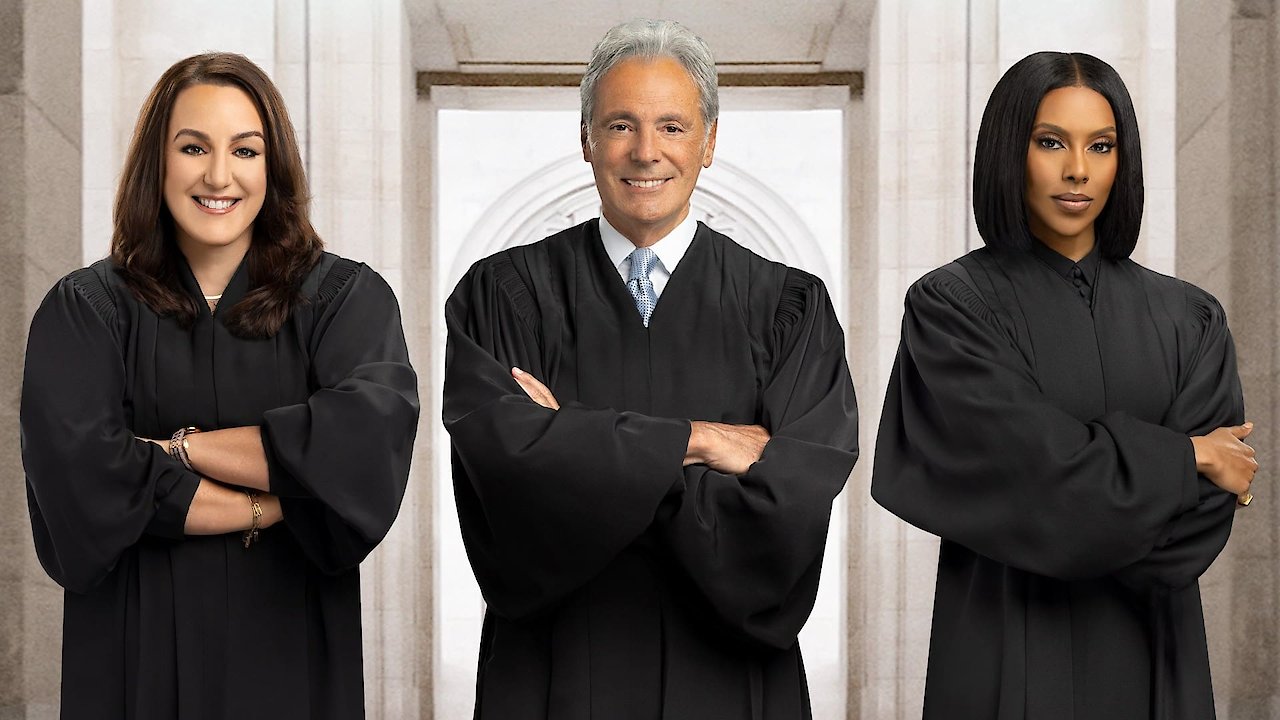
As a court television show, Hot Bench features a panel of three judges who listen to arguments of both the plaintiff and the defendant and deliver a verdict. In the sixth season of this show, the 78th episode named "Mugged and Bleeding from Brain!" presents a case that revolves around an incident of a teenager who has been badly hurt by a mugger.
The episode started with the plaintiff, a teenager named Darnell, who had been mugged at an ATM machine. He claimed that he was brutally assaulted by the mugger. Darnell stated that the mugger came from behind while he was taking out cash, and he punched him on the head. Darnell fell on the ground, and the mugger took all of his money and fled away. The incident left him badly injured as he started bleeding from his head and required an ambulance.
The judge panel initially inquired about the medical treatment Darnell had received following the incident. They questioned whether he followed up with an MRI scan as recommended by the doctor and he stated that he couldn't afford it. Darnell argued that the defendant, his father's insurance company, was unwilling to cover the cost of the medical treatment and had refused to approve the MRI. His father has an insurance policy with the defendant, and he claimed that they have a legal obligation to take care of the medical cost.
The defendant argued that the plaintiff's claim was not justified since the policy covered an amount of $10,000, which was more than enough to cover any of Darnell's medical costs. The defendant further insisted that there was no evidence of any severe injury to Darnell's brain that would require an MRI scan. They claimed that it was a straightforward case, and they were only liable for the amount covered under the policy.
The judges in the panel closely examined the details of the insurance policy and inquired about the specific clauses and terms that applied in Darnell's case. There was some confusion about the extent of the coverage, but the panel clarified that the insurance company was liable for the medical expenses up to the policy limit.
Darnell's lawyer argued that the insurance company had denied their request for an MRI scan without examining Darnell's injuries. She explained that Darnell had developed symptoms such as headaches, dizziness, and vomiting after the incident, indicating that the injury was severe. She argued that the insurance company was negligent in denying the request for an MRI scan, which was crucial in diagnosing Darnell's head injury accurately.
The judges questioned the defendant's lawyers about the reasons behind denying the MRI scan request. They replied that they had received and examined all the medical reports, and they had not identified any serious injury that warranted an MRI. Nevertheless, the experts have always advised that an MRI is the best for diagnosing a head injury, and the lawyer of Darnell stated that denying it could have played a significant role in his injury.
The judges recognized that Darnell's injury was serious, and he deserved appropriate medical care. However, there was no evidence that the defendant had acted with ill intentions or deliberately denied the medical care. The lawyers argued that the insurance company is only liable for the amount mentioned in the policy limits, and they had not exceeded it.
As the hearing progressed, the judges delved deeper into the medical reports and insurance policy clauses to find a resolution that would be fair to both parties. They looked into subtle details that could profoundly impact the verdict. They posed tough questions to both lawyers, examined the evidence thoroughly, and provided a crucial decision.
The episode served as a lesson to the viewers about the importance of understanding insurance policies and the intricacies of legal systems. Furthermore, it highlights how injuries can affect not just physical health but also financial health when people have insufficient insurance coverage. Overall, the panel's decision made it clear that both the victim and the insurance company had rights, and a fair decision was made.
