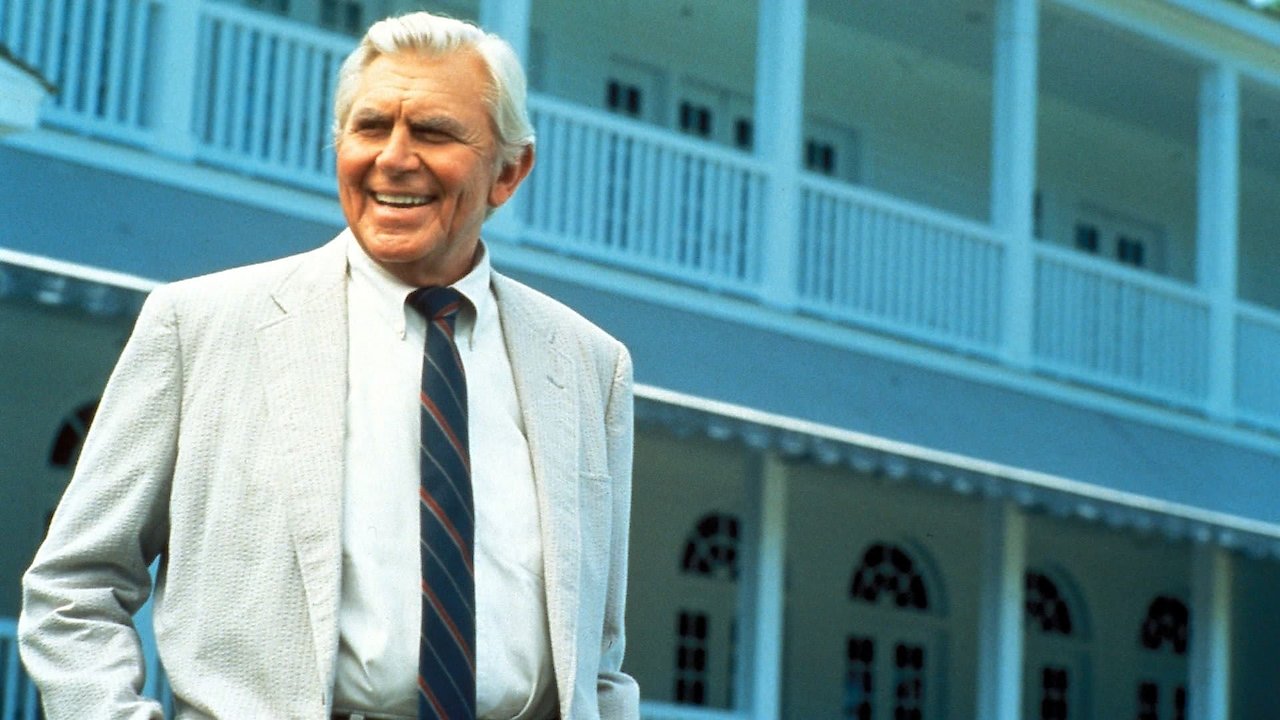
Matlock Season 4 Episode 13 The Witness
- January 2, 1990
- 47 min
-
7.4 (133)
In the intriguing episode titled The Witness from Matlock's fourth season, viewers are drawn into a compelling legal drama that showcases the brilliant investigative mind of Ben Matlock, a seasoned criminal defense attorney with a knack for uncovering the truth. The episode opens with the promise of a riveting mystery that intertwines the complexities of human behavior with the stark realities of the legal system.
As the episode unfolds, Matlock, portrayed by the charismatic Andy Griffith, takes on the defense of a young man accused of a serious crime. The stakes are high, with the future of the accused hanging precariously in the balance. Matlock's client is adamant about his innocence, but the prosecution's evidence seems overwhelming, presenting a classic 'whodunit' scenario that keeps the audience on the edge of their seats.
The central theme of this episode revolves around the idea of witnessing—both in terms of how events are observed and interpreted, and the impact that those interpretations can have on the justice process. As Matlock delves deeper into the case, it becomes clear that nothing is quite what it seems. Eyewitness testimonies, long considered the bedrock of criminal cases, begin to come under scrutiny. Matlock's sharp analytical skills allow him to dissect these testimonies, revealing discrepancies that hint at deeper motives and hidden truths.
Throughout the episode, viewers are treated to Matlock's trademark deductive reasoning. His techniques often transcend conventional legal tactics, as he employs a mix of charm, wit, and relentless determination to draw out witnesses and gather evidence. The dynamic between Matlock and the various characters—including witnesses, law enforcement officers, and opposing counsel—adds layers of complexity to the narrative. Each character brings their own perspectives and agendas, creating a rich tapestry of interactions that keeps the story engaging.
As the investigation progresses, Matlock's team, consisting of his loyal aide and colleagues, play a pivotal role. Their contributions, ranging from research to fieldwork, not only assist Matlock but also serve to highlight the collaborative effort needed in the pursuit of justice. The chemistry among the cast plays out in moments of levity, tension, and camaraderie, adding depth to the overall storytelling.
The pacing of The Witness is expertly crafted, with each scene building on the last to create a crescendo of suspense leading to the climactic courtroom scenes. Matlock is known for his courtroom theatrics, and this episode is no exception. His ability to cross-examine witnesses, often catching them off guard, reveals his keen intuition and legal acumen. Viewers will find themselves invested as Matlock unravels the layers of deceit and confusion, leading to critical revelations that shift the case dynamics.
Visually, the episode captures the essence of its setting, featuring a blend of starkly lit interrogations, cozy yet tense office meetings, and the high-stakes atmosphere of the courtroom. The direction pays careful attention to the emotional undercurrents, ensuring that the stakes are palpable not just for the characters involved, but for the audience as well. As the episode rolls towards its conclusion, Matlock’s unwavering resolve and compassion for those he defends shine through, emphasizing the moral complexities inherent in the field of law.
The Witness does an exceptional job of exploring the gray areas of truth and justice, leaving viewers to ponder what it truly means to be a witness, both literally and figuratively. As secrets begin to surface and the plot thickens, the episode poses challenging questions about the reliability of memory, the influence of personal biases, and the nuanced understanding of innocence and guilt.
In the end, Matlock's journey in this episode becomes more than just a quest for exoneration; it embodies the very essence of the law—an establishment meant to uphold justice while grappling with the imperfections of human perception. Throughout the episode, audiences are reminded that the pursuit of truth is often just as complicated as the cases themselves, substituting clear-cut answers with shades of nuance and moral ambiguity.
As The Witness reaches its conclusion, it leaves viewers reflecting on the complex interconnections between crime, punishment, and the human experience. Matlock emerges not just as a defender of his client, but as a champion for a deeper understanding of justice, making this episode a compelling addition to the beloved series that continues to resonate with audiences.
