Rurouni Kenshin Season 2 Episode 27 Hiten versus Shukuchi
- TV-PG
- July 9, 1997
- 22 min
-
(20)
In the gripping episode titled Hiten versus Shukuchi from the second season of Rurouni Kenshin, audiences are drawn deeper into the tumultuous world of Meiji-era Japan, where the echoes of the past continue to shape the present. The episode fundamentally explores themes of honor, rivalry, and the pursuit of redemption, capturing the essence of its complex characters and their intertwined fates.
The narrative centers on the escalating conflict between two formidable swordsmen, each representing divergent philosophies and fighting styles that reflect their life experiences. Hiten, known for his impressive skill and reputation, stands as a cornerstone of the episode. He embodies the principles of strength and justice, wielding his katana with both finesse and a resolute moral compass. In contrast, Shukuchi offers a stark juxtaposition; enshrouded in mystery and often employing less honorable tactics, he challenges the very notions of righteousness that Hiten upholds.
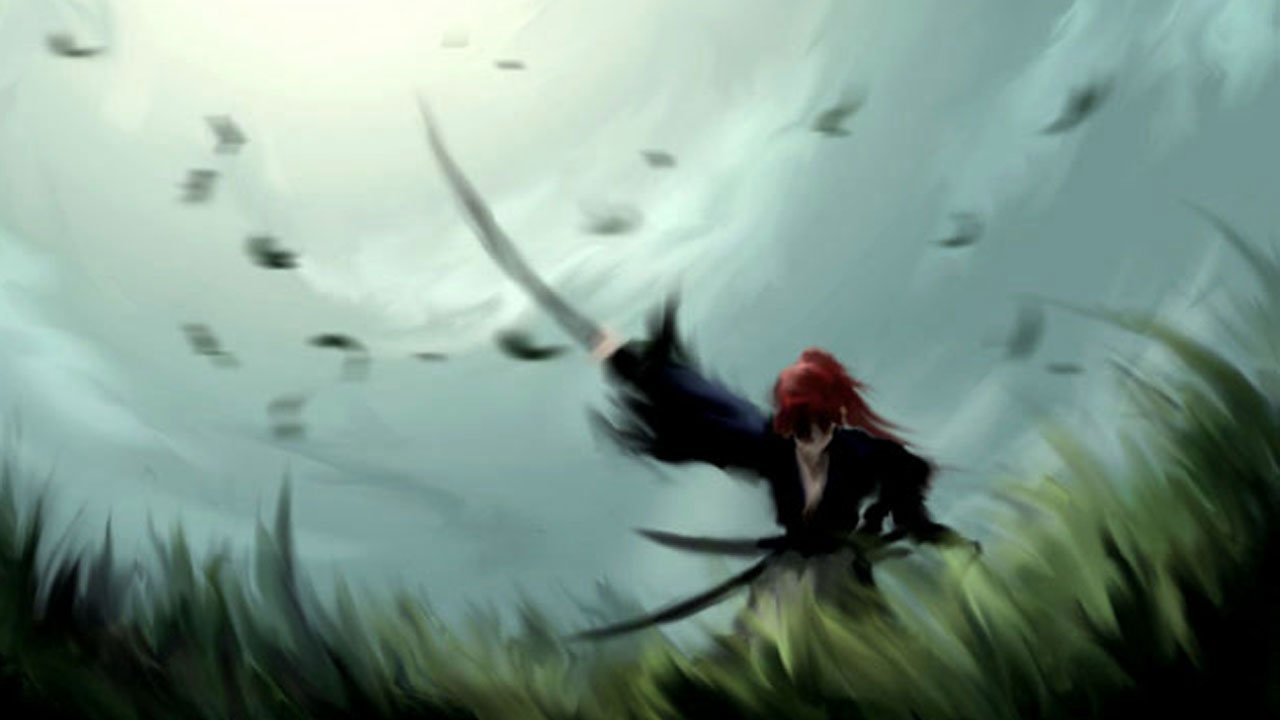
As the episode unfolds, tensions heighten, leading to an intense confrontation between the two characters. The animation showcases the outstanding choreography of their duel, highlighting their unique fighting styles. Hiten's movements are fluid and precise, reflecting years of training and experience, while Shukuchi’s techniques are unpredictable and agile, leveraging speed and cunning in ways that keep even the most seasoned viewers on the edge of their seats. Each clash symbolizes not only a battle of swords but a deeper ideological struggle between their respective worldviews.
Throughout this episode, the broader implications of their conflict also come to the forefront. The audience is invited to consider the nature of strength—what it truly means to be strong in a world rife with chaos and moral ambiguity. Hiten's steadfast commitment to protecting the innocent is juxtaposed against Shukuchi’s willingness to blur the lines of morality in the pursuit of his goals. This thematic exploration serves to deepen the character development, allowing viewers to see beyond the immediate action and revel in the philosophical underpinnings of their battle.
In parallel to the core duel, the episode weaves in the perspectives of supporting characters, who offer additional layers of context and emotional resonance. These interactions contribute to a rich tapestry of relationships that bolster the primary conflict. Friends and allies witness the duel's implications, grappling with their own beliefs about power, justice, and loyalty. Their involvement not only heightens the stakes of the confrontation but provides a emotional backdrop that enhances the viewer's connection to the storyline.
Moreover, the atmosphere throughout Hiten versus Shukuchi is masterfully crafted with evocative sound design and striking visuals, conveying the palpable tension and gravitas of the moment. From the rustling of leaves in the wind to the distant echoes of past battles, every detail immerses viewers in the world of Rurouni Kenshin. The animation style remains true to its iconic roots—vibrant and dynamic, the fight scenes are executed with an artistry that is as compelling as it is engaging.
The pacing of the episode is meticulously curated, drawing out the suspense leading up to the dual climax while ensuring that characters' motivations are thoroughly explored. Viewers invest emotionally in both Hiten and Shukuchi, grappling with their choices and the consequences that unfold in real-time. Each moment brims with significance, inviting the audience to reflect on themes of vengeance, honor, and the sacrifices made on the path to redemption.
As the episode builds to a crescendo, the ultimate question lingers: will Hiten's unwavering resolve triumph over Shukuchi's cunning approach? This uncertainty appeals to both long-time fans of the series and newcomers alike, maintaining engagement through clever narrative twists and emotionally charged revelations.
Ultimately, Hiten versus Shukuchi is an episode that balances visceral action with profound thematic depth, offering viewers both thrilling entertainment and reflective insight into the nature of heroism and villainy. The episode serves not only as a poignant chapter in the overarching saga of Rurouni Kenshin but also as a standalone narrative showcasing exemplary storytelling, memorable characters, and vivid animation—hallmarks of this beloved series. With its exciting battles and philosophical inquiries, this episode resonates long after the credits roll, continuing to spark conversations about the journey towards atonement, the power dynamics of struggle, and what it means to truly possess strength in a fractious world.