Rurouni Kenshin Season 3 Episode 32 The Elegy of Wind and Water
- TV-NR
- September 8, 1998
- 25 min
-
(87)
In the gripping episode titled The Elegy of Wind and Water, Rurouni Kenshin continues its exploration of themes such as redemption, conflict, and the relentless passage of time in a world where the echoes of history resonate through the present. As the season reaches a pivotal moment, fans are taken on an emotional journey that intertwines the lives of our beloved characters with the consequences of their past decisions.
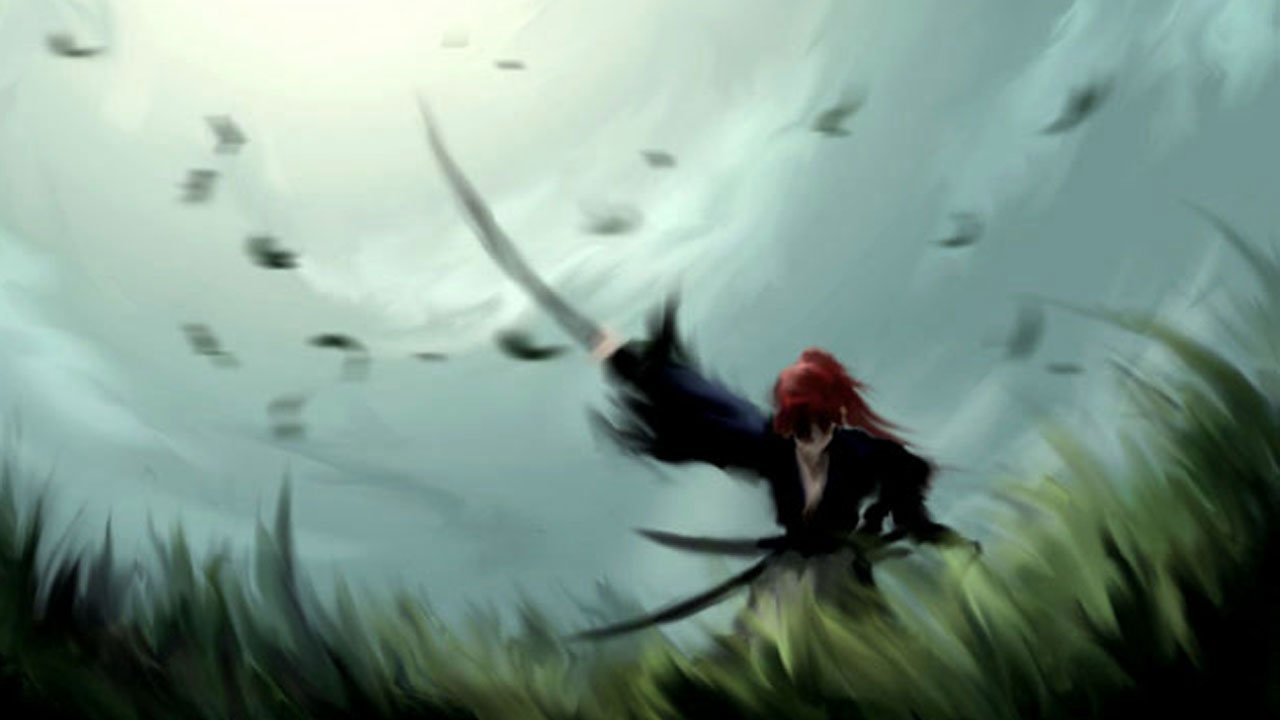
The episode opens with a haunting atmosphere, as the winds whip across the landscapes of Japan, setting the stage for a tale steeped in reflection and nostalgia. Our protagonist, Kenshin Himura, grapples with his tumultuous history as a former assassin, which starkly contrasts with his current path of seeking peace and protection for the innocent. The serene moments are punctuated with the chaotic remnants of the Meiji Restoration, reminding viewers of the turbulent era that has shaped his journey.
Kenshin's resolve is tested as he encounters a familiar figure who brings forth echoes of his past. This character’s introduction serves as both a confrontation and a catalyst for Kenshin, forcing him to confront the ghosts that linger at the periphery of his consciousness. For the audience, it becomes clear that past deeds, no matter how buried, can resurface unexpectedly, leading to a reckoning that cannot be ignored. The emotional weight of this encounter is amplified by beautifully animated sequences that highlight the natural elements of wind and water—symbols that represent the fluidity of time and the inevitability of change.
During this episode, we also witness the growth and development of other central characters, such as Kaoru, Saito, and Misao, each of whom faces their own struggles amidst the broader narrative. Kaoru, Kenshin’s devoted companion, is depicted as a source of strength and unwavering support, embodying the themes of love and sacrifice. Her determination to stand by Kenshin is a testament to their deep bond and underscores the powerful influence relationships hold in the face of adversity.
Meanwhile, Saito—the enigmatic and skilled swordsman—navigates his complex motivations and personal code. As a former adversary turned ally, Saito's perspective on justice and duty adds layers to the narrative, provoking questions about loyalty and morality. The interactions between these characters serve to deepen the viewer's understanding of their inner conflicts, making each character's journey deeply relatable and profoundly human.
The pacing of The Elegy of Wind and Water is expertly crafted, allowing the thematic elements of wind and water to seep into the narrative, influencing not just the physical environment but also the emotional landscape of the characters. The sound design plays a crucial role, with the gentle rustle of leaves and the tranquil sound of flowing water amplifying the reflective tone of the episode. These elements work in harmony to create an immersive experience, allowing viewers to feel the weight of each character's choices and the inevitability of their paths.
As the episode progresses, the tension builds towards a crescendo that blends action with introspection. The choreography of the fight scenes is both dynamic and poetic, echoing the themes of balance and conflict that run throughout the series. Each clash not only serves to thrill with its kinetic energy but also resonates with deeper metaphysical significance, showcasing the struggle between one's past and the desire for a peaceful future.
The climax of The Elegy of Wind and Water offers a poignant moment of realization for Kenshin. It forces him to confront the essence of his experiences as the winds shift and the waters swirl around him, reflecting the tumult within his soul. This confrontation emphasizes the emotional stakes at play, reinforcing the notion that to move forward, one must first reckon with the weight of history.
In a masterful conclusion, the episode leaves viewers pondering the intricate web of relationships and choices that define the human experience. The Elegy of Wind and Water elegantly encapsulates the essence of Rurouni Kenshin, combining breathtaking animation, rich character development, and profound themes into a single narrative arc that resonates long after the screen fades to black. As the episode closes, it becomes evident that every wind that blows and every drop of water that falls carries with it a story waiting to be told—a reflection on the ebb and flow of life, love, and the quest for redemption.