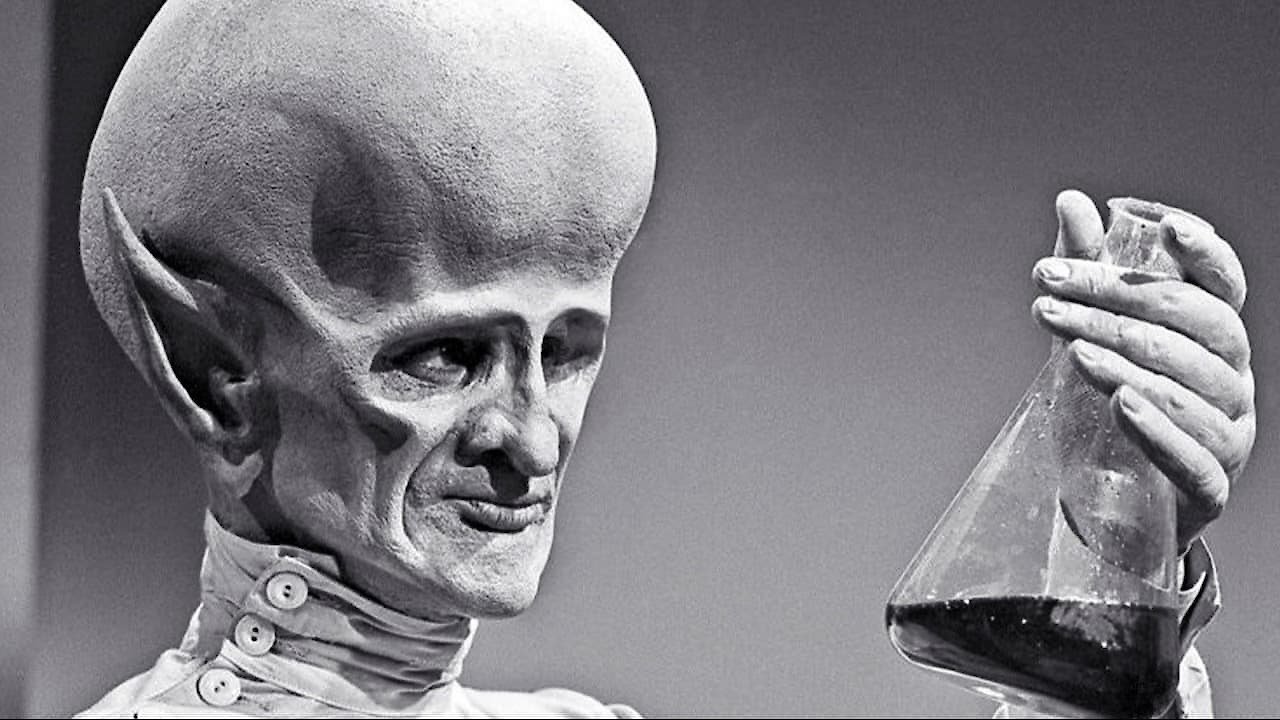
The Outer Limits Season 4 Episode 6 Relativity Theory
- TV-PG
- March 6, 1998
- 44 min
-
7.7 (353)
The Outer Limits, a groundbreaking anthology series that delves into the unknown and explores the perils of science, technology, and human nature, continues to captivate audiences with its fourth season. In episode 6, titled Relativity Theory, viewers are invited on an intriguing journey that challenges their perceptions of reality and the fabric of time itself.
Set against a backdrop that merges the scientific with the speculative, Relativity Theory transports audiences to a moment where time becomes a malleable construct, and the boundaries between past, present, and future blur. The episode introduces a diverse cast of characters, each adding layers to the central theme of the segment. At the heart of the narrative is a brilliant yet conflicted scientist whose groundbreaking research into the theory of relativity leads to unintended consequences. As he grapples with the implications of his work, viewers witness the internal struggles that accompany intellectual ambition and the ethical dilemmas that arise when playing with the laws of the universe.
The episode expertly intertwines elements of suspense and intrigue, as the scientist’s theories begin to manifest in unpredictable and often disturbing ways. It raises thought-provoking questions about human perception and the nature of existence itself. How do we define our reality, and what happens when our understanding of time and space is turned on its head? As the scientist’s experiments unfold, the viewers are left to ponder the true nature of time and its impact on the human experience.
Visually, Relativity Theory showcases the impressive production standards of The Outer Limits. With striking set designs and innovative effects, the episode visually represents the complexity of its themes. These elements serve to enhance the narrative, creating an immersive experience that pulls the audience into a world of scientific discovery and existential uncertainty. The cinematography is well-crafted, employing creative angles and lighting techniques that reflect the eerie and mysterious tone of the series, while the special effects offer a glimpse into the imaginative possibilities that lie within the realm of theoretical physics.
The character development throughout the episode is both compelling and multi-dimensional. As the protagonist navigates the consequences of his discoveries, viewers witness a transformation that touches upon themes of ambition, responsibility, and the cost of knowledge. Supporting characters add depth to the narrative, representing various facets of society's reaction to scientific advancement. Their interactions add tension and conflict, enriching the story while considering the broader implications of the scientist's work on the world around him.
Moreover, Relativity Theory does not shy away from philosophical inquiries that the realm of science invites. It examines human relationships strained under the pressure of ambition, the potential alienation resulting from a singular focus on one's own work, and the ultimate quest for understanding in a cosmos filled with the unknown. The episode encourages audiences to contemplate their own relationships with time and the increasingly complex world around them, reinforcing the idea that the pursuit of knowledge often comes with far-reaching consequences.
As the narrative unfolds, viewers are kept on the edge of their seats, wondering how far the characters will go to uncover the secrets of time and space. The suspense builds steadily, ensuring that the audience remains engaged and invested in the outcome of the scientist's journey. With each twist and revelation, the episode pushes the boundaries of both the narrative and the viewer's imagination, embodying the essence of The Outer Limits.
In conclusion, Relativity Theory is an intriguing episode that encapsulates the core themes of The Outer Limits while inviting viewers to engage with the complex interplay of science and humanity. The episode's exploration of temporal relativity and its consequences serves as a fitting metaphor for the struggles inherent in the quest for knowledge and understanding. As the lines between reality and theory blur, audiences are left to wrestle with profound questions that resonate beyond the screen. Through its rich storytelling, compelling characters, and philosophical undercurrents, Relativity Theory exemplifies the enduring legacy of The Outer Limits as a thought-provoking exploration of the human condition and the mysteries of the universe.
