Alfred Hitchcock Presents Season 4 Episode 35 Touche
- TVPG
- June 14, 1960
- 25 min
-
7.0 (515)
In the gripping episode "Touche" from Season 4 of Alfred Hitchcock Presents, viewers are drawn into an intricate web of deception, rivalry, and moral confrontation that showcases the iconic suspense and psychological depth synonymous with Hitchcock's storytelling. The narrative centers around two main characters, each embodying compelling traits that propel the plot into a thrilling dance of wit and strategy.
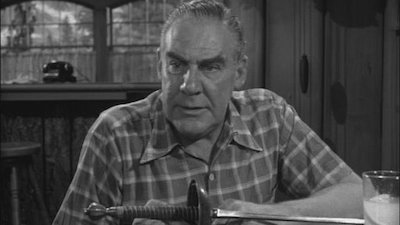
The story follows a seasoned fencing master, a man of discipline and finely honed skill, who has dedicated his life to not only perfecting the art of swordplay but also to teaching it to others. This character displays a confident demeanor, underscored by an aura of authority and expertise in his field. He represents the honorable traditions of martial excellence and the nuances of competition that go beyond mere physical prowess.
Opposing him is a younger and cocky rival, whose brash attitude and reckless ambition threaten to upend the established order. This ambitious prodigy seeks to prove his worth and to overshadow his mentor, but his arrogance may be his downfall. The tension between these two men creates a palpable atmosphere, as their rivalry extends beyond the fencing arena into their personal lives, where ego and pride collide with serious repercussions.
As the episode unfolds, the craft of fencing serves as a powerful metaphor for the psychological duel between the two characters. Each bout in the fencing hall is charged with symbolism, reflecting the deeper struggles surrounding honor, betrayal, and the fight for recognition. The audience is treated to visually arresting scenes that highlight the grace and intensity of the sport while serving the broader narrative of conflict and critique.
Hitchcock’s deft directorial style captures the nuances of both characters, with sharp dialogue and meticulously crafted visuals that heighten the tension. The fencing matches are not just battles of skill; they become moments of revelation as secrets are unveiled, motivations are laid bare, and underlying complexities of the characters come to the forefront. In this masterful blend of intrigue and action, the stakes rise as the audience can sense that this rivalry may not end in mere competition.
The episode also plumbs the depths of ambition, exploring what lengths one might go to achieve success and recognition. It raises critical questions about loyalty, respect, and the consequences of one's actions—juxtaposing the duality of teacher and student and the fine line between admiration and resentment. The shifting power dynamics between the characters add layers of complexity, inviting the audience to reassess their own perceptions of victory and defeat.
Hitchcock's signature touch is evident in the way he constructs tension and atmosphere. The set design and camera work contribute to a sense of claustrophobia, suggesting that the boundaries of honor and morality are narrowing with each competitive encounter. The overall tone is both suspenseful and thought-provoking, leaving viewers questioning not just the fates of the characters, but also their own values and choices.
In "Touche," the familiar elements of Hitchcock’s genius are on full display, from ironic twists to unsettling moral dilemmas. As the episode progresses, it becomes clear that the outcome of their rivalry will not simply determine a champion but will also redefine their identities and relationships, marking a pivotal moment in both their lives.
The final act of the episode builds towards a climax that is both mesmerizing and shocking, as all the intricate threads of narrative and character come to a head. Hitchcock's refusal to provide clear resolutions leaves audiences reflecting on the ambiguity of human motives and the intricate dance between vengeance and justice.
In classic Hitchcock fashion, the episode is not merely about the events taking place but digs deep into the psychological landscape of its characters, presenting a narrative that resonates with universal themes of ambition, pride, and the human condition. As the episode concludes, viewers find themselves pondering the aftermath of the decisive encounter, contemplating not only the fate of the characters but also the moral implications of their choices—echoing the show’s enduring ability to engage and unsettle its audience long after the final credits roll.