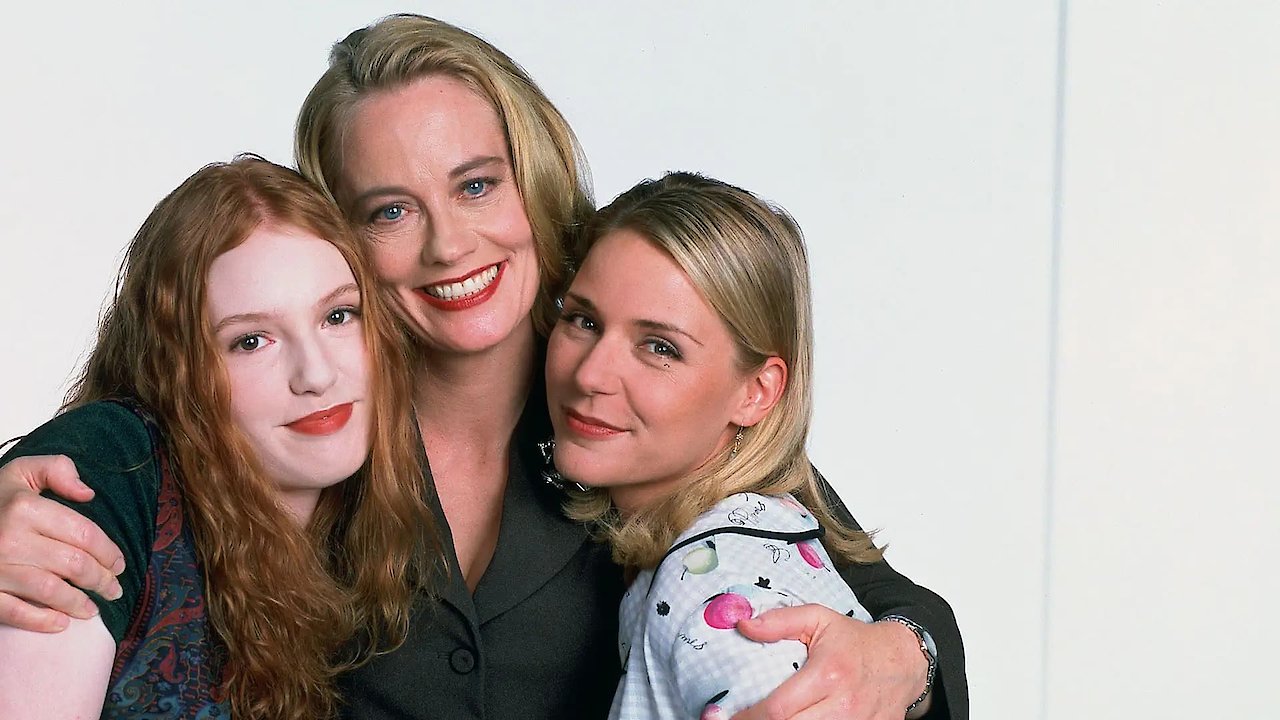
Ep 16. Fine is Not a Feeling
- TV-PG
- March 25, 1998
- 22 min
-
8.8 (62)
In the whimsical and heartfelt world of Cybill, season 4 episode 16, titled Fine is Not a Feeling, the multifaceted lead character, Cybill Sheridan, continues her journey through the complexities of life, love, and career challenges. This episode skillfully weaves emotional depth and humor, showcasing the nuances of Cybill's relationships while highlighting her indomitable spirit.
As the episode opens, Cybill finds herself at a crucial intersection in her life. Wrestling with her own emotions and the ever-evolving dynamics of her friendships and family, she grapples with the concept of being "fine." As someone who has often put on a brave face and pretended that everything is okay, this episode dives deep into the idea that superficial contentment can mask deeper feelings and struggles that need to be addressed. Cybill's journey in this episode emphasizes the importance of authenticity, both in oneself and in one’s relationships.
Cybill's interactions with her close circle of friends—particularly her two best pals, Maryanne and Zoey—are central to the narrative. Each character brings their own brand of wisdom and levity, creating a rich tapestry of dialogue that echoes the struggles and triumphs of real-life friendships. The three women, each dealing with their own issues, serve as a mirror for Cybill, reflecting her own uncertainties while providing both comic relief and poignant moments of vulnerability.
Throughout "Fine is Not a Feeling," the show's signature blend of humor and drama is on full display. Cybill finds herself hilariously navigating the comedic pitfalls of dating as a single mother in her second act of life. In her quest for love, she encounters an array of quirky characters who challenge her perceptions and push her to confront her feelings about past relationships. These encounters not only serve to entertain but also provide Cybill with critical insights about her own identity and emotional well-being.
Meanwhile, the subplot involving Cybill's career as an actress adds layers to her character. As she strives to maintain her relevance in Hollywood, she considers the balance of personal happiness and professional success. The episode touches on themes of self-worth and ambition, as Cybill muses on the sacrifices she has made in pursuit of her dreams. This internal conflict is heightened by the support—and sometimes the skepticism—of her friends, appealing to the audience's own desires for recognition and fulfillment.
Moreover, Cybill's family dynamics play an essential role in the episode. Her relationships with her ex-husband and two daughters provide a nice counterpoint to her friendships. They are a source of both stress and comfort, and through their various interactions, the show enriches its portrayal of familial love and tension. The realities of motherhood are presented with both humor and sincerity, highlighting the struggles of balancing personal desires with parental duties.
As the storyline unfolds, the theme of emotional honesty comes to the forefront. Cybill's experiences echo the classic struggle many face when confronted with their feelings—realizing that saying "I'm fine" often belies a deeper turmoil. The narrative encourages viewers to look beyond the surface and understand that vulnerability is not a weakness, but a strength. This approach lends a heartfelt authenticity to the characters, resonating with anyone who has ever felt caught in the web of their own pretenses.
The conclusion of "Fine is Not a Feeling" leaves viewers with a sense of catharsis. While Cybill may not receive all the answers she is seeking, she undergoes a transformative journey that reflects the complexities of modern womanhood. The episode beautifully encapsulates the show's essence—a candid exploration of life, love, and laughter, wrapped in relatable experiences.
In this episode, fans of Cybill will undoubtedly find joy in the laughter and warmth that accompanies the more profound realizations. As the characters confront their fears and desires, viewers are reminded of the value of friendship, the need for self-acceptance, and the importance of acknowledging one’s feelings—beyond simply declaring that everything is "fine." With sharp wit and genuine emotion, "Fine is Not a Feeling" reinforces the message that real happiness comes not from playing a role, but from embracing the full spectrum of our human experience.