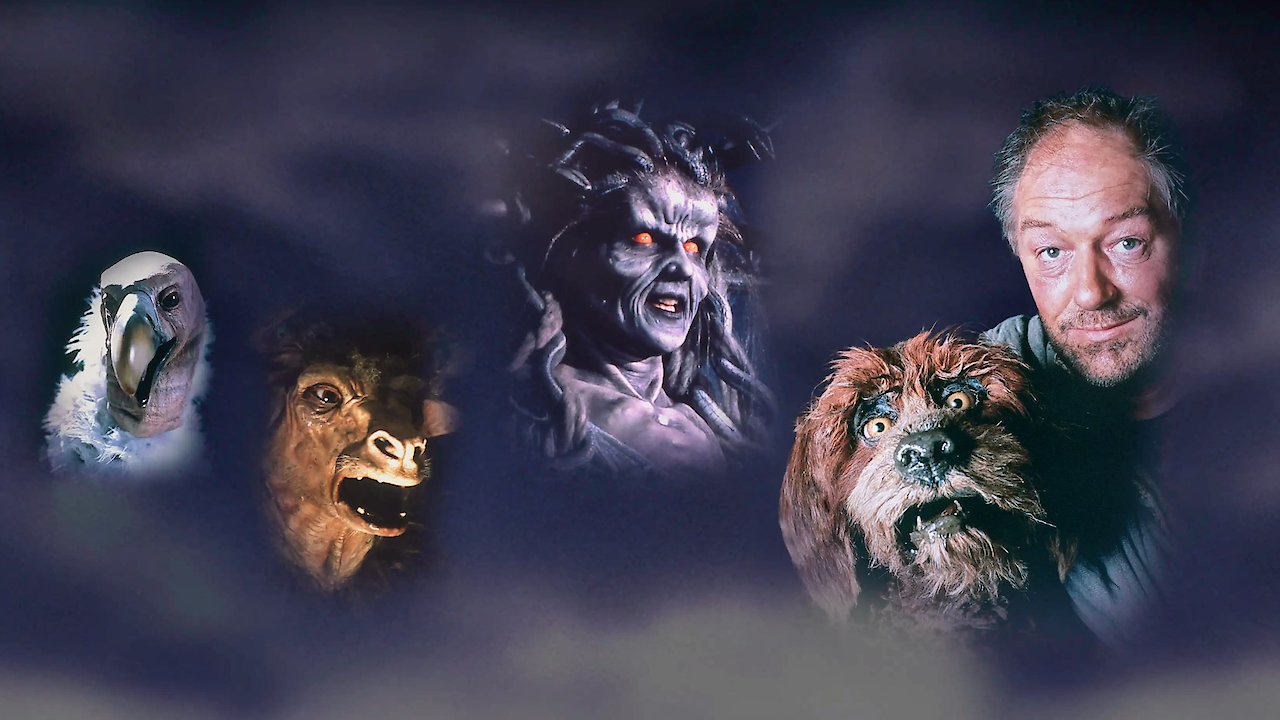
Jim Henson's The Storyteller: Greek Myths Season 2 Episode 3 Theseus and the Minotaur
- TV-PG
- December 1, 1991
- 23 min
-
7.4 (30)
In the enchanting and whimsical world of Jim Henson's The Storyteller: Greek Myths, Season 2 Episode 3 takes viewers on a captivating journey through one of the most enduring legends of ancient Greece: Theseus and the Minotaur. This episode masterfully blends stunning puppetry, imaginative storytelling, and the rich tapestry of Greek myth, creating an immersive experience that captivates both young and adult audiences alike.
The tale begins in the bustling city of Athens, where the weight of a dark prophecy looms over the kingdom. Minos, the formidable king of Crete, has demanded a tribute from the Athenians—a harsh sacrifice that calls for the children of Athens to be sent into the treacherous labyrinth as an offering to a terrifying beast known as the Minotaur. This half-man, half-bull creature resides in a complex maze crafted by the brilliant architect Daedalus, a seemingly impenetrable structure that consumes all who enter without the proper guidance. The Minotaur thrives on the fear and desperation of its prey, and whispers of its savage appetite send shivers down the spines of the steadfast Athenians.
As the tragic fate of the children unfolds, our heroic protagonist, Theseus, steps onto the stage. A young prince of Athens, Theseus is brave, compassionate, and determined to put an end to the monstrous demands of King Minos. With a heart full of courage and a mind driven by justice, he vows to confront the Minotaur and save his people from further tragedy. Theseus embodies the spirit of a true hero, one whose unwavering resolve shines brightly against the oppressive darkness that surrounds him.
The episode deftly explores the complex themes of sacrifice, heroism, and self-identity. Theseus must grapple with the weight of his decision—to accept the role of a sacrificial lamb or to secede and become a legend in his own right. The storytelling is rich and layered, revealing the duality of each character's motivations: the young prince who longs to protect his home, the bereaved families mourning their lost children, and even the Minotaur, whose tragic origin sheds a different light on the creature’s horrendous acts. This nuanced approach invites viewers to reflect on the nature of heroism and monstrosity, and to ponder the thin line that often exists between the two.
As Theseus embarks on his quest, the narrative takes viewers on a thrilling journey through the winding corridors of the labyrinth. With the guidance of Ariadne, the daughter of King Minos, he is given a glimmer of hope—a magical ball of thread to unravel the labyrinth’s treachery. This clever device symbolizes the power of love and ingenuity, showing that intelligence can often outwit brute strength.
The visual aesthetics of the episode are nothing short of breathtaking. The intricate puppetry brings the characters to life, embodying their emotions with exquisite detail. The labyrinth itself becomes a living, breathing entity, its shadowy recesses fraught with unseen danger. With each twist and turn, the tension escalates, creating an atmosphere that is both exhilarating and harrowing. The haunting melodies that accompany the storytelling further enhance the mood, enveloping the audience in an ethereal ambiance that is signature to Henson's work.
In the climactic moments of the episode, viewers are treated to a dramatic confrontation between Theseus and the Minotaur. This encounter is not merely a battle of physical strength; it is a poignant confrontation between light and darkness, despair and hope. The choreography of their struggle is a thrilling spectacle, showcasing both the primal ferocity of the Minotaur and the innovative tactics of Theseus. It’s a moment that resonates with the timeless idea that true heroism often lies not in the absence of fear, but in the courage to confront it.
Ultimately, This episode serves as a reminder that stories are not just about the triumphs and victories of heroes, but also their struggles, doubts, and the sacrifices they make along the way. It weaves a rich tapestry of human emotion, exploring the multifaceted experiences that can shape one’s destiny.
As the episode concludes, viewers are left with a sense of wonder and inspiration, contemplating the power of their choices and the interconnectedness of life. Theseus and the Minotaur transcends mere myth to become a narrative that speaks to the heart, echoing the ancient truths that continue to resonate in the modern world. With its stunning artistry and profound lessons, Jim Henson's The Storyteller: Greek Myths invites audiences of all ages to embrace the magic of storytelling and the legacy of heroes who dare to challenge the shadows lurking within the labyrinth of life.