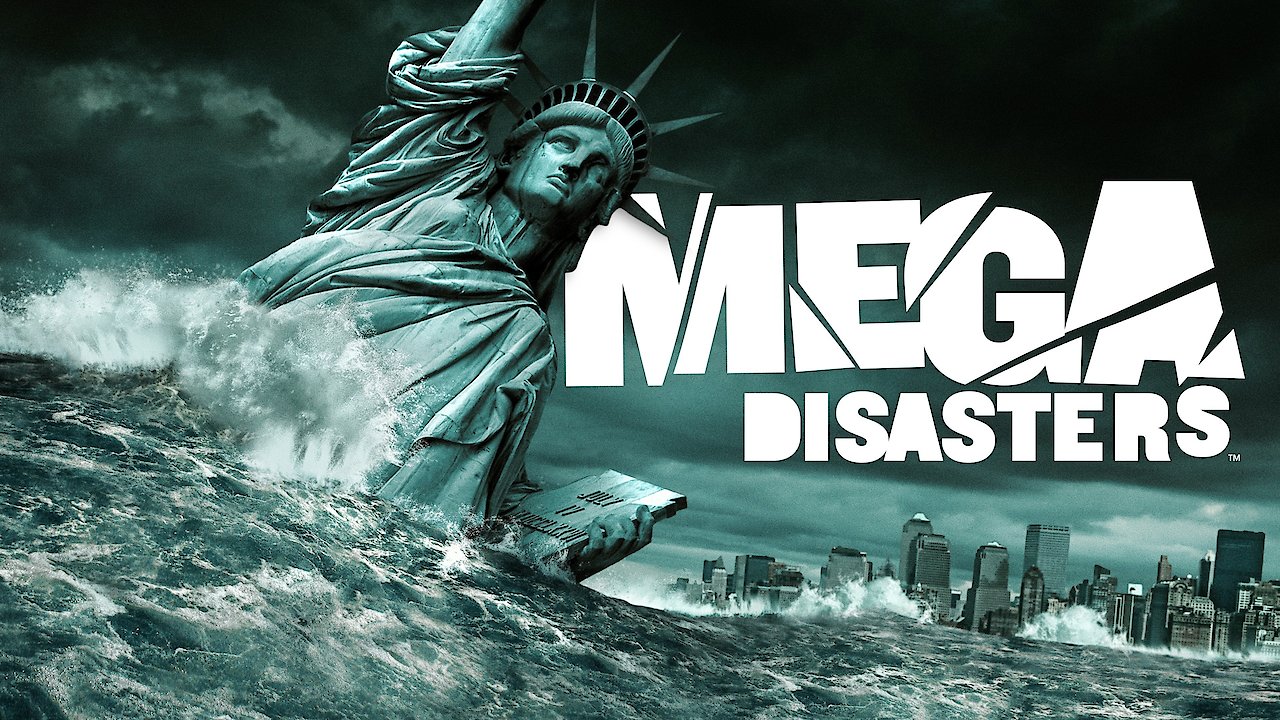
Mega Disasters Season 1 Episode 1 West Coast Tsunami
- TV-14
- May 9, 2006
Mega Disasters is a show that explores some of the most devastating disasters that can hit our planet. From natural disasters like earthquakes, tornadoes, and forest fires to man-made disasters like nuclear melt-downs and nuclear bombs, the show investigates the science behind these events, their causes, and their impact on people and the environment.
The first episode of Mega Disasters season 1 is titled 'West Coast Tsunami', which investigates the possibility of a massive tsunami hitting the west coast of the United States. The episode begins by introducing the concept of mega-tsunamis, which are waves that can reach heights of more than 100 feet and cause widespread devastation on land.
The show takes us through a hypothetical scenario of what could happen if an earthquake occurred off the coast of Alaska, triggering a mega-tsunami that would propagate across the Pacific Ocean and hit the coasts of California, Oregon, and Washington state. The experts on the show explain that while such an event is rare, it is still a possibility that needs to be considered and prepared for.
The rest of the episode focuses on how scientists and emergency management officials are trying to prepare for such an event. The show explains that one of the biggest challenges in predicting a mega-tsunami is the lack of real-time data from the open ocean. Unlike earthquakes, which can be detected and measured by seismometers and other sensors, tsunamis can only be indirectly monitored by buoys and satellites.
The show takes us to the Pacific Tsunami Warning Center in Hawaii, which is responsible for monitoring and issuing alerts for tsunami events in the Pacific basin. The experts there explain how they use data from ocean sensors, seismic networks, and satellite imagery to predict tsunami waves and issue warnings to coastal regions. The show also explains how local officials in coastal towns and cities are preparing for tsunamis by creating evacuation plans, building tsunami-resistant infrastructure, and educating the public on the dangers of tsunamis.
The latter part of the episode takes us to the Oregon coast, where a team of scientists and engineers are building a new tsunami early warning system. The system, which is called ShakeAlert, uses a network of seismic sensors to detect earthquakes and predict the likelihood of a tsunami event. If an earthquake is strong enough to trigger a tsunami, the ShakeAlert system will send out alerts to emergency management officials and the public, giving them time to evacuate the coast before the wave arrives.
The episode concludes by reiterating the importance of being prepared for a mega-tsunami event. While the chances of such an event happening are low, the consequences would be catastrophic if it did occur. The show emphasizes that preparing for a mega-tsunami involves not only building infrastructure and creating early warning systems but also developing awareness and education programs for the public.
Overall, the first episode of Mega Disasters season 1 is a compelling and informative look into one of the most devastating natural disasters that could hit the west coast of the United States. It provides a clear overview of the science behind tsunamis, the challenges in predicting them, and the efforts being made to prepare for them. The show presents a sobering reminder of the power of nature and the importance of being prepared for the unexpected.
