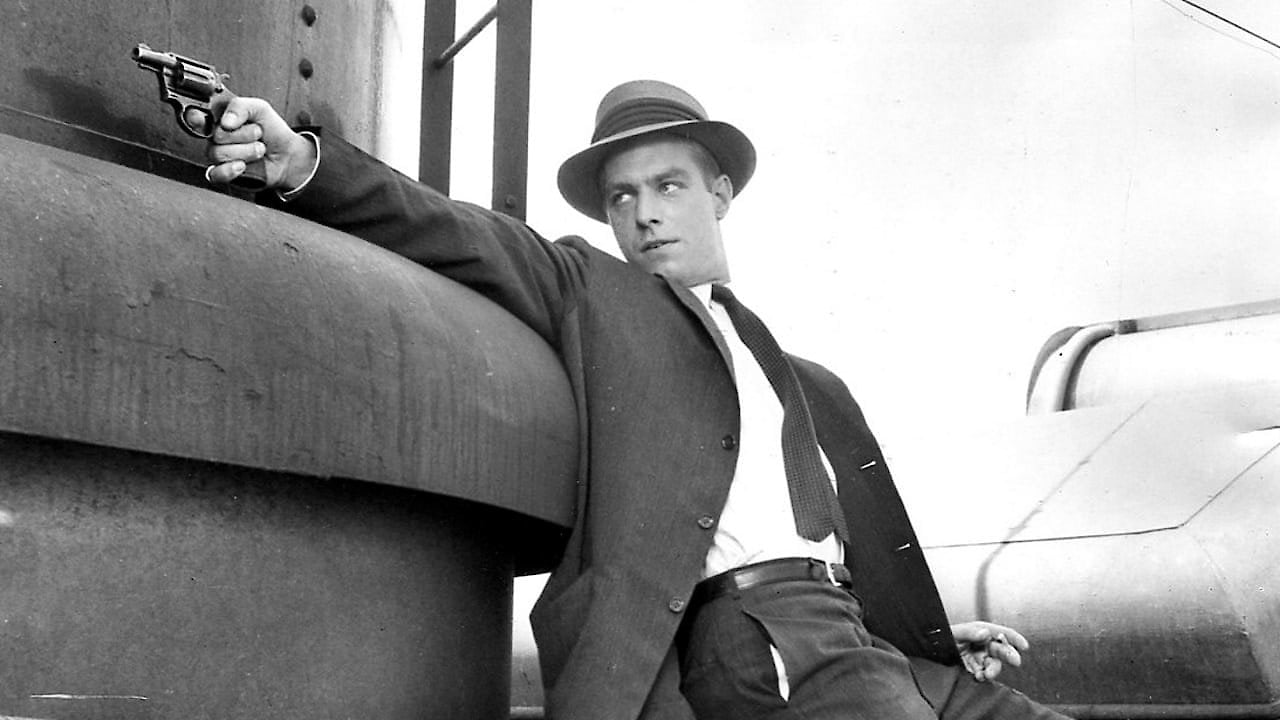
Naked City Season 4 Episode 14 Spectre of the Rose Street Gang
- December 19, 1962
- 51 min
-
8.4 (60)
Naked City, a groundbreaking police procedural series that aired in the late 1950s and early 1960s, continues to explore the gritty urban landscape of New York City in its fourth season. In episode 14, titled Spectre of the Rose Street Gang, viewers are pulled into a complex web of crime, loyalty, and the harsh realities of life in the city's rougher neighborhoods.
The episode vividly portrays the raw essence of street life through its focus on the infamous Rose Street Gang, a notorious group that has long been a thorn in the side of both law enforcement and the local community. With a history steeped in violence and a reputation that instills fear, the gang has become emblematic of the struggles faced by many in the city. The narrative delves into the mystique surrounding the gang, exploring not just their criminal activities but also the social environment that breeds such organizations.
As the story unfolds, viewers are introduced to a diverse cast of characters—both within the gang and among those who seek to dismantle it. Detectives from the NYPD work tirelessly to uncover the layers of corruption and crime that often remain hidden in plain sight. The investigation is characterized by a relentless pursuit of truth, highlighting the personal and professional stakes for those involved. The detectives are portrayed as not only law enforcement officers but also as individuals driven by a sense of justice and community responsibility.
The episode artfully weaves together multiple storylines, balancing the perspectives of the gang members with those of law enforcement. This intricate narrative structure sheds light on the motivations behind each character's actions, illustrating how desperation can lead individuals down dark paths. The dichotomy between the law and the underworld is examined in depth, raising profound questions about morality, loyalty, and the potential for redemption.
As tensions escalate, the consequences of gang rivalry ripple through the streets, affecting everyday citizens and spreading fear throughout the community. Innocent bystanders find themselves caught in the crossfire of a brewing conflict that seems inevitable. The show's realistic portrayal of urban life reveals the complexities and nuances of living in a city where violence can erupt at any moment. The stakes are tangible, and the sense of urgency compounds as the detectives strive to prevent further chaos.
Cinematographically, this episode showcases the gritty realism that Naked City is known for. The setting itself acts as a character, with narrow alleyways, dimly lit streets, and the bustling energy of New York serving as a backdrop for the unfolding drama. The passionate performances from the cast further enhance the emotional weight of the story. Each actor brings their character to life, leaving viewers empathizing with their struggles, whether they be the hardened gang members or the dedicated police officers battling against them.
Spectre of the Rose Street Gang is not just an exploration of crime; it is also a study of the people affected by it. The episode masterfully addresses themes such as the cycle of violence, the impact of poverty, and the longing for a sense of belonging. As viewers engage with the characters and their dilemmas, the show prompts reflection on societal issues that continue to resonate today.
While the narrative is steeped in tension, it also allows for moments of introspection. The detectives grapple with their own personal demons, revealing that the battle against crime is as much an internal struggle as it is an external one. Their dedication to protecting the innocent and bringing justice to light adds an emotional depth that resonates throughout the episode.
In conclusion, Naked City season 4 episode 14, Spectre of the Rose Street Gang, is a poignant exploration of the intersections between crime, community, and the human condition. It weaves an intricate tale that captivates viewers while encouraging them to reflect on broader social issues. With its compelling narrative, rich character development, and authentic representation of urban life, this episode stands as a testament to the enduring legacy of the series. Audiences are left pondering the specters that dwell within the city—both those who commit crimes and those who seek to understand and overcome them.
