Patton 360 Season 1 Episode 4 Rogue General
- TVPG
- May 1, 2009
- 44 min
-
6.3 (14)
Patton 360 Season 1 Episode 4 - Rogue General
In the riveting fourth episode of Patton 360, titled Rogue General, viewers are drawn deeper into the complex and often tumultuous world of World War II through the lens of one of history's most controversial military figures: General George S. Patton. As the series continues to provide a multifaceted portrayal of Patton's life and career, this episode focuses on the fierce debates, bold strategies, and tumultuous relationships that characterized not only Patton’s military engagements but also his interactions with fellow commanders and superiors.
Rogue General examines the defining moments of Patton’s military philosophy, highlighting his unyielding commitment to aggressive warfare and his disdain for conventional approaches. Through expert interviews, archival footage, and dramatic recreations, the episode explores how Patton's unconventional tactics often placed him at odds with other generals and military leaders who adhered to more traditional strategies. This exploration provides a nuanced view of his ability to inspire troops while simultaneously alienating those who questioned his unfiltered approach to leadership.
As the narrative unfolds, the episode delves into the strategic decisions Patton made during critical points in the North African campaign, emphasizing his role in the pursuit of the Axis forces. Viewers witness the chaotic landscape of war through Patton's eyes, revealing his relentless drive to engage the enemy and seize key territories. The episode not only captures the blitzkrieg tactics that made Patton a legendary commander but also exposes the risks and challenges he faced as he forged his path on the battlefield.
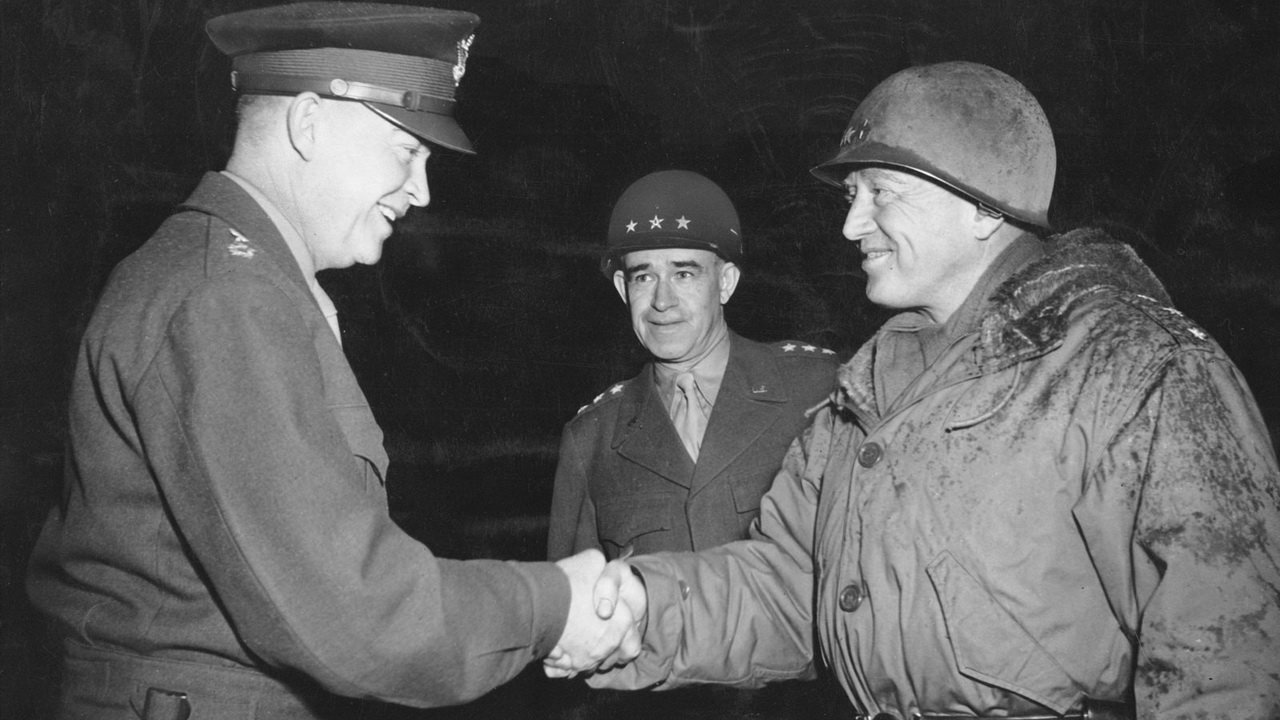
The portrayal of Patton as a 'Rogue General' extends to his complex relationships with his peers, particularly with notable figures such as General Dwight D. Eisenhower and General Omar Bradley. The tension that arose from Patton’s brash personality is accentuated, illustrating how his behavior challenged the hierarchy of command. The struggles and rivalries among the high-ranking military officials provide a dramatic backdrop, as viewers gain insight into the decision-making processes that shaped the course of the war.
In addition to Patton’s military career, this episode touches on the psychological aspects of his character. As a figure who often wrestled with bouts of rage and vulnerability, Patton's emotional landscape adds depth to our understanding of him. The episode raises pertinent questions about leadership, accountability, and the burdens carried by those who wield great power in times of war. Audiences are invited to contemplate the human element behind the militaristic bravado.
Rogue General does not shy away from illuminating the controversial aspects of Patton's legacy, including his outspoken nature and instances of insubordination, which brought him into conflict with civilian leadership and military ethics. The episode delves into critical moments where Patton's rhetoric and actions sparked debate and scrutiny, showcasing the tension between a general who believed in decisive action and a military hierarchy that sometimes prioritized caution and diplomacy.
Visually compelling, the episode employs a dynamic blend of animated maps, diagrams, and various forms of media to illustrate military movements and strategies engaged during this phase of the conflict. The use of these elements breaks down complex maneuvers into easily digestible segments, allowing viewers to grasp the intricacies of the battles fought under Patton’s command.
Throughout the episode, historical context is woven seamlessly into the narrative, connecting Patton's actions to the wider implications they had on the war effort. The series highlights the pivotal moments that not only defined Patton’s career but also shaped the lives of countless soldiers and civilians caught in the throes of war. Commentary from historians and military experts provides additional layers of understanding, offering perspectives that challenge or reinforce popular perceptions of Patton.
As the episode draws to a close, viewers are left to reflect on the emblematic figure of George S. Patton—an audacious leader celebrated for his battlefield successes yet questioned for his moral compass and interpersonal conduct. Rogue General encapsulates the duality of a man who became both a hero and a polarizing figure all at once, prompting deeper inquiries into what defines a successful military leader.
In summary, Patton 360’s Rogue General is an enthralling exploration of the complexities surrounding General George S. Patton. Through a careful blend of historical analysis, personal anecdotes, and compelling visuals, the episode challenges viewers to reassess what legacy means in the context of military power and human fallibility, making it a must-watch for history enthusiasts and casual viewers alike.