Ranma 1/2 Season 5 Episode 8 Me Is Kuno's Daddy, Me Is
- TV14
- May 31, 1991
- 23 min
-
7.3 (36)
In the vibrant and chaotic world of Ranma ½, humor and high-energy action mingle seamlessly, crafting a comedic tapestry that resonates with fans. Season 5, Episode 8, titled Me Is Kuno's Daddy, Me Is, dives into the whimsical turmoil surrounding the eccentric characters and their ever-complicated relationships.
This episode begins with the usual light-hearted chaos that characterizes the series, as Ranma Saotome navigates the challenges of his unique dual life as a martial artist who transforms into a girl when splashed with cold water. As the episode progresses, the audience is reintroduced to Tatewaki Kuno, the self-proclaimed “blue-haired samurai” and ardent admirer of Akane Tendo, Ranma's fiery fiancée. Kuno's obsession often leads to hilarious misunderstandings, and this episode is no exception.
The plot thickens when an unexpected twist turns Kuno's world upside down. In a fit of absurdity fueled by a series of misunderstandings and bizarre circumstances, Kuno finds himself in a position where he believes he has become a father. This revelation sends Kuno on a quest of self-discovery, grounded in his trademark bravado yet tinged with confusion. The absurdity of his situation is a prime source of comedic gold, as Kuno desperately attempts to navigate fatherhood without even the barest understanding of what that role entails.
As the episode unfolds, Kuno becomes increasingly convinced that his destiny is tied to the idea of parenting, leading to a series of outlandish and humorous attempts to prove himself as a worthy father figure. His antics prompt a mix of laughter and head-shaking disbelief from the other characters, especially from Ranma and Akane, who find themselves drawn into Kuno's increasingly bizarre narrative. The episode effectively showcases the comedic dynamics of misunderstanding and the lengths to which Kuno will go to maintain his delusions of grandeur.
Adding to the hilarity is the presence of Ryoga Hibiki, the eternally lost boy and Ranma's fierce rival. Ryoga's misfortunes seem to parallel Kuno's newly adopted "fatherly" persona. As Ryoga navigates his own challenges with misdirection and obstacles—often stumbling into embarrassing situations—the duality of their comedic predicaments heightens the episode's humor.
Meanwhile, Akane’s reactions to Kuno's newfound paternal instincts are a highlight of the episode. Much like the other characters, she oscillates between incredulity and amusement, unable to decide whether to laugh at or feel sorry for Kuno. Her expressions and interactions add depth to the comedy, highlighting the absurdity of the situation while underscoring the show's exploration of character development amidst chaos.
As the episode reaches its climax, the confusion escalates, and the boundaries of realism are pushed even further. The interactions culminate in spectacularly awkward confrontations, including Kuno confronting Ranma—a summation of the competing desires to be taken seriously and the inherent farce of the scenarios unfolding before them. This dynamic delivers not only laughs but also moments of insight into how the characters perceive one another and the absurdity of their relationships.
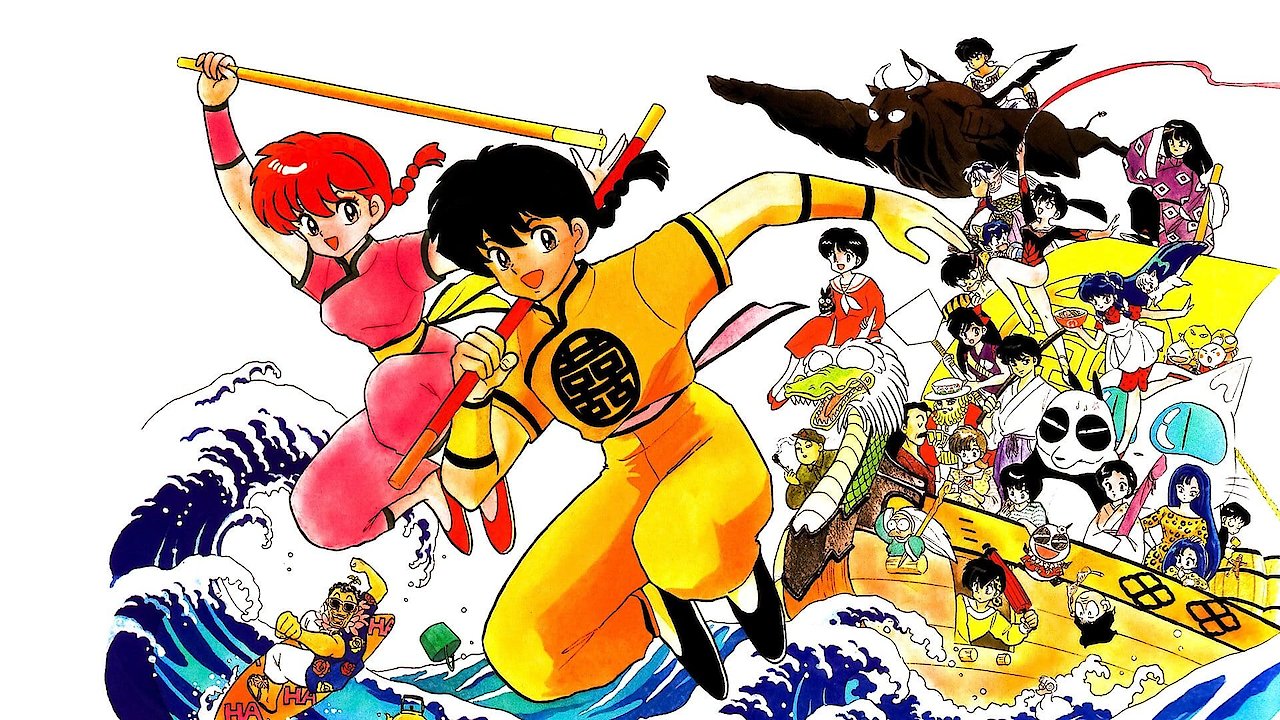
The signature animation style of Ranma ½ is on full display, with vibrant colors and exaggerated expressions that enhance the comedic tone. Quick cuts, slapstick humor, and visual gags pepper the episode, ensuring that the pacing remains brisk and engaging. The voice acting brings a palpable energy to the characters, especially with Kuno's exaggerated tones and Ranma's snarky retorts, which only serve to elevate the comedic stakes.
By the end of Me Is Kuno's Daddy, Me Is, audiences are left with an unforgettable showcase of humor entwined with the show's recurring themes of identity, love, and the folly of misunderstandings. The episode masterfully captures the essence of what makes Ranma ½ beloved—its ability to turn ordinary life into extraordinary hilarity, even in the most outrageous of circumstances.
As the credits roll, there's a sense of satisfaction in witnessing the sheer ridiculousness of Kuno’s escapades and the relentless camaraderie among the characters. This episode, with its humor and heart, encapsulates the spirit of the series as a whole—an exploration of the complexities of youth, love, and the often outlandish scenarios that emerge from them. Fans of the show will not only find laughs but also a reaffirmation of the values that keep viewers returning to the world of Ranma and his friends.