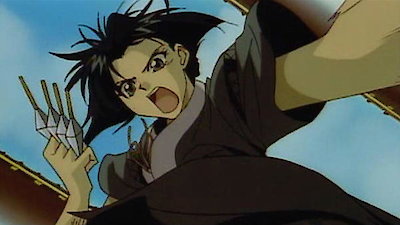
Rurouni Kenshin Season 3 Episode 37 Message from Kyoto
- TV14
- June 16, 1998
In the captivating episode titled Message from Kyoto, Rurouni Kenshin takes viewers deeper into the complex world of post-Meiji Japan, where loyalties are tested and the past continues to haunt the present. As the story unfolds, the protagonist, Kenshin Himura, grapples with the repercussions of his former life as an assassin during the tumultuous Bakumatsu era, a time that continues to shape the landscape of his new existence.
The episode begins with a palpable tension as Kenshin receives a letter from an unexpected source in Kyoto. The communication stirs feelings of unease within him, hinting at unfinished business that he thought he had left behind. The message not only recalls memories of lost comrades and bitter rivalries but also carries hints of a looming threat that could disrupt the fragile peace he has worked so hard to uphold. As the narrative progresses, Kenshin's internal struggle becomes increasingly apparent—he is torn between his commitment to his new life as a wanderer who protects the innocent and the shadows of his past that refuse to let him go.
The rest of the cast also plays a vital role in this installment, providing a deeper understanding of their relationships with Kenshin and the stakes involved. Kaoru Kamiya, Kenshin’s devoted companion, reveals her own fears and concerns about the potential implications of this message. Her determination to support Kenshin is unwavering, but the weight of uncertainty hangs heavy in the air, adding to the emotional complexity of the episode.
Sanosuke Sagara, the brash yet loyal friend, finds himself caught up in the brewing tension. His character brings a mixture of humor and seriousness as he attempts to lift the spirits of the group while simultaneously preparing for possible conflict. The support from Sanosuke becomes vital as Kenshin’s resolve is tested, and the closeness of their camaraderie adds depth to the narrative.
As the episode progresses, the scenes transition between the serene setting of Kenshin's current life and flashbacks that provide background on his relationships during the Kyoto era. These glimpses into the past reveal the intricate tapestry of his life, highlighting connections that have defined him, as well as rivalries that still simmer. The storytelling is layered, allowing viewers to appreciate both the present circumstances and the rich history that informs them.
The art direction in this episode is particularly striking, with scenes that beautifully capture the essence of Kyoto—in its architecture, the cherry blossoms in bloom, and the subtle atmospheric changes that reflect Kenshin's emotional state. The sound design complements this, with a score that evokes nostalgia and tension, enhancing the overall ambiance of the unfolding drama.
Throughout Message from Kyoto, critical themes emerge, including redemption, the burden of the past, and the meaning of true strength. Kenshin’s journey reflects the human condition—an exploration of how one's past actions can linger and challenge the path one wishes to take. The episode engages the audience on a deeper level, inviting reflection on the choices that define us and the possibility of change amidst lingering darkness.
As the narrative continues to develop, distrust and apprehension grow within the group. This sense of unease is heightened by the fact that others are also watching Kenshin; enemies both old and new are aware of his movements. The ever-present threat of confrontation looms, and it serves as a stark reminder that the peace Kenshin seeks may always be at the mercy of those who wish to disrupt it.
In the climax of the episode, tensions reach a peak as Kenshin must confront the implications of the message and his responsibilities toward his present companions. The choices he faces may redefine not only his future but the futures of those dear to him as well. The struggle between his past self and his current ideals becomes a cornerstone of the episode, intriguing viewers and leaving them eager for potential outcomes.
Message from Kyoto effectively sets the stage for the events that are sure to unfold in subsequent episodes, re-engaging long-time fans of the series while also captivating newcomers. The balance of character development, emotional weight, and thrilling narrative drives the episode forward, encapsulating the essence of Rurouni Kenshin as a story about honor, redemption, and the ongoing search for peace in a world filled with strife. As the episode concludes, viewers are left reflecting on the nature of destiny and the power of the messages we carry with us, both from our own pasts and those of others.