Spider-Man (1994) Season 3 Episode 39 Sins Of The Fathers Chapter 12: Carnage
- TV-Y7-FV
- November 9, 1996
- 21 min
-
9.0 (1,459)
In the gripping season 3 episode 39 of Marvel Comics Spider-Man, titled Sins Of The Fathers Chapter 12: Carnage, viewers are thrust into a harrowing tale that weaves together themes of legacy, friendship, and the complexities of good and evil. As the chapter unfolds, Peter Parker finds himself facing one of his most formidable foes yet, a character whose very existence threatens not only his life but the lives of those he cherishes.
Set against the backdrop of New York City, the episode delves deeply into the psychological struggles that both Peter and his enemies endure. With the sinister character known as Carnage emerging from the shadows, his chaotic energy and undeniable menace pose an immediate threat. Carnage, a product of a violent past and a warped ideology, is not just another villain; he embodies the darkest aspects of human nature, and his abilities push Spider-Man to his limits.
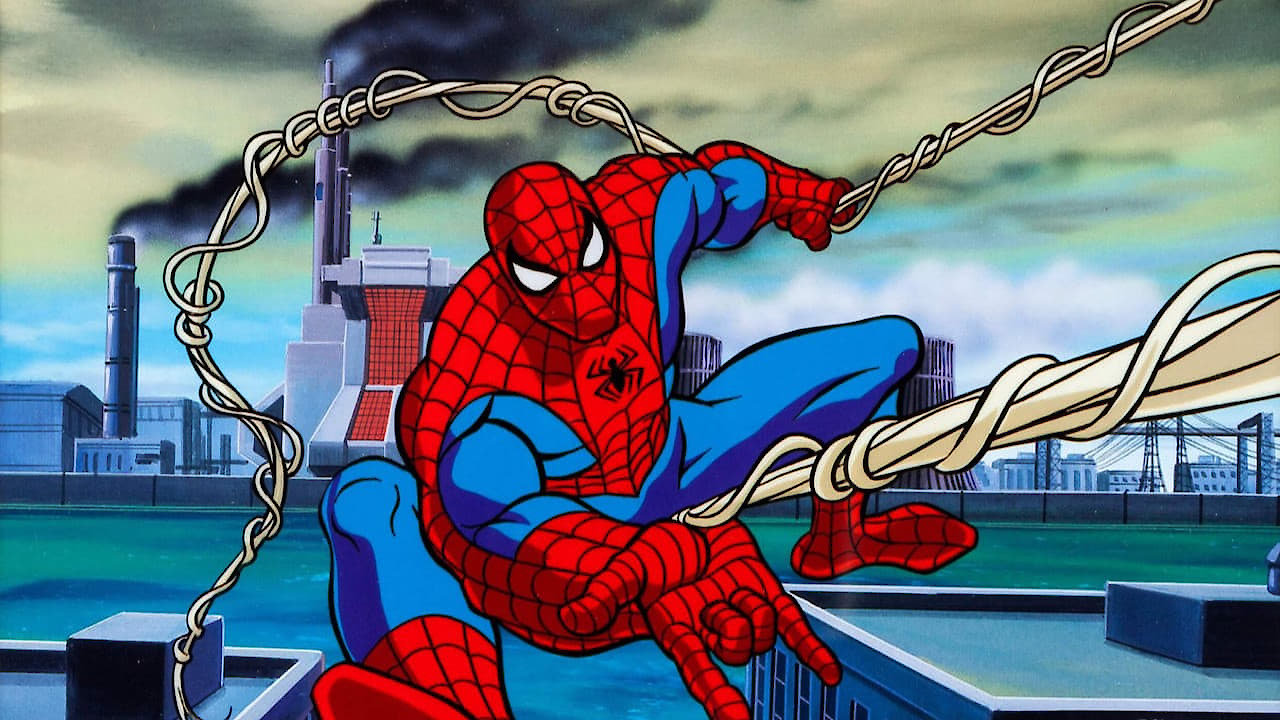
As the stakes rise, viewers are treated to exhilarating action sequences that display Spider-Man's agility and quick wit. The animation is vibrant, capturing the kinetic energy of battles that are both physical and emotional. Through the intricate choreography of these encounters, the episode emphasizes the weight of Peter's responsibilities—not just as Spider-Man, but as a friend, a student, and a son.
The narrative takes a poignant turn as it explores the history between Spider-Man and Carnage, illuminating the connections that bind them. Flashbacks and reflective moments allow viewers to gain insight into the lives of these characters, showcasing their internal conflicts. The exploration of Peter’s relationships with his friends, especially his struggle to protect them from the dangers that his heroics attract, adds layers of complexity to the story.
Throughout the episode, the theme of inheritance—both the burdens and legacies of one’s actions—shapes the narrative. It poses challenging questions regarding morality and the impact of one’s choices, inviting viewers to consider how much of who we are is shaped by our past and our relationships. The emotional stakes are heightened as Peter grapples with his own insecurities and fears about becoming isolated due to his dual identity.
Moreover, the writing expertly balances darker themes with moments of levity that are trademark to the Spider-Man franchise. Humor remains a crucial element, providing necessary relief amid the tension, and reinforcing Peter’s character as someone who, despite the odds stacked against him, maintains a sense of hope and resilience. His quips and clever banter serve as a reminder of the light in darkness, ensuring that the viewer remains engaged throughout the emotional rollercoaster.
Supporting characters play pivotal roles in this chapter, each contributing uniquely to the overarching narrative. Whether it’s Mary Jane’s unwavering support as Peter faces off against formidable foes or the mentorship of figures like Aunt May, their presence is integral to the story's emotional core. Additionally, villains who are deeply intertwined with Carnage’s origin story introduce further complications and moral dilemmas that challenge Spider-Man at every turn.
As the episode races towards its climax, viewers will find themselves at the edge of their seats. The confrontation between Spider-Man and Carnage is not merely a physical battle; it is a clash of ideologies. Each character’s motivations are explored, prompting the audience to reflect on their own understanding of justice and the lengths one will go to protect loved ones. The stakes are personal, the emotions raw, and the resolution—while inevitable—will leave viewers contemplating the consequences of violence and revenge.
The animation style remains consistent with the series, utilizing vivid colors and sharp contrasts that draw the audience into the world of Spider-Man. The dramatic score heightens the sense of urgency and emotion, amplifying the impact of each scene. This combination of visual and auditory elements enhances the storytelling, making for a dynamic viewing experience.
Ultimately, Sins Of The Fathers Chapter 12: Carnage stands as a testament to the enduring legacy of Spider-Man as a character. It grapples with the real-world implications of his struggles and triumphs, instilling a sense of connection and empathy in the audience. For fans of the franchise, this episode not only delivers thrilling action but also an emotional exploration of what it means to be a hero in an often chaotic world. As the story unfolds, viewers are left reflecting on the inevitable truth that with great power comes great responsibility, and the choices we make can echo through generations.