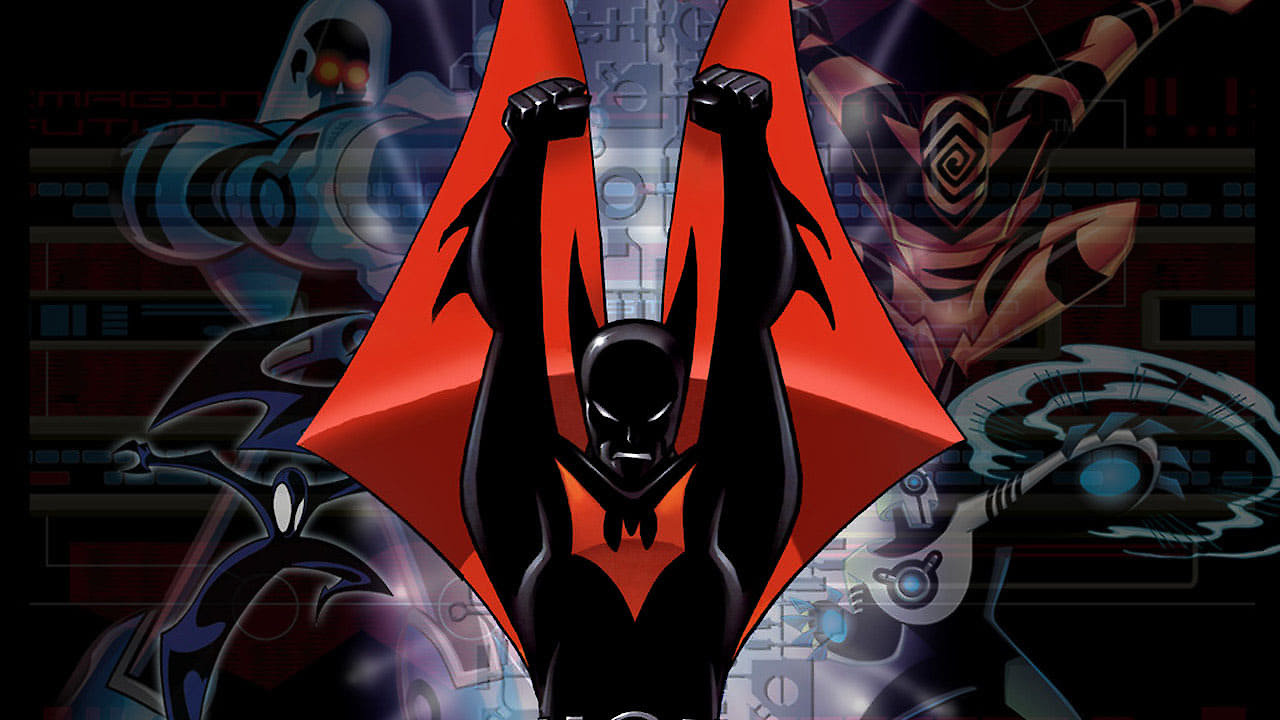
Batman Beyond Season 3 Episode 16 A Riddling Controversy
- TV-NR
- February 9, 1967
- 25 min
-
7.1 (345)
In the animated series Batman Beyond, season 3 episode 16, titled A Riddling Controversy, the intricate relationship between a new generation of crime-fighters and the legacy of Gotham’s infamous rogues gallery takes center stage. This episode delves deep into the character of the Riddler, a mastermind known for his cerebral puzzles and cunning schemes, who has resurfaced after years of relative obscurity.
As the episode opens, Terry McGinnis, the new Batman, finds himself navigating the complexities of a city that has become both a psychological battleground and a platform for manipulation. He is often caught juggling the responsibilities of being a superhero while striving to maintain his identity as a young man. In this installment, the stakes are raised as the Riddler launches an elaborate game of cat and mouse, using his signature riddles to challenge not only Batman but also the very fabric of society. Gotham City is on high alert, and citizens are gripped by a wave of excitement and fear as the Riddler’s cryptic messages begin to disrupt daily life.
The episode artfully explores the themes of public perception, celebrity culture, and the fine line between entertainment and chaos. Gotham’s media can’t get enough of the Riddler’s puzzles, which obsessively dominate news cycles and social media feeds. Within the chaos, a debate brews over the glorification of villainy in a city that has already seen too much darkness. Are the Riddler's antics simply harmless entertainment, or do they pose a real danger to the citizens of Gotham? This tension creates a rich backdrop as Terry and his allies confront the moral implications of their roles and the societal impact of their adversaries.
Terry’s mentor, Bruce Wayne, offers keen insights into the psyche of the Riddler, drawing on his own past encounters with the villain. He warns Terry that the Riddler is not merely playing a game; he is probing for vulnerabilities, not just in Batman but in the entire system that seeks to uphold justice. This perspective adds layers to the narrative as Terry tries to decipher the Riddler’s latest riddle, balancing the intellectual challenge with the urgency of protecting Gotham.
As the mystery unfolds, the episode introduces supporting characters who provide additional context and depth. In particular, the interactions between Terry and his teenage friends reveal how the entertainment provided by villains can inadvertently influence young minds. The episode juxtaposes Terry's more serious pursuit of justice against the carefree attitudes of his peers, who view the Riddler as just another figure in the pantheon of Gotham street culture. It raises questions about heroism, villainy, and the narratives that shape public opinion in a city teetering on the brink of chaos.
Animation plays a critical role in bringing the Riddler’s mind games to life. The vibrant colors and dynamic compositions reflect the unpredictable essence of his riddles, making each puzzle not just a challenge for Batman, but a visual treat for viewers. As Terry engages with the Riddler's games, the stakes rise, turning what could be seen as mere entertainment into a life-or-death situation. Flashbacks and visuals of previous encounters with the Riddler mingle with the current events, creating a blend of nostalgia and urgency that keeps audiences on the edge of their seats.
The climax of the episode artfully intertwines action, intellect, and ethical dilemmas. Terry must not only unravel the Riddler's latest scheme but also confront his own beliefs about the nature of heroes and villains. This internal struggle is mirrored in the broader narrative as Gotham grapples with the impact of its heritage—do the city’s dark past and its notorious villains define its future?
Throughout A Riddling Controversy, the tension escalates as the viewers are led through an engagement with the Riddler's riddles that promises to keep them guessing, culminating in thrilling confrontations and unexpected plot twists. The episode cleverly leaves room for interpretation, inviting viewers to consider their own views on heroism, media influence, and the nature of villainy.
In the end, A Riddling Controversy stands as a compelling exploration of the impact of legacy, identity, and the narratives that shape a community. As the credits roll, it leaves a lingering question: in a world so captivated by the spectacle of villainy, how do we define what is truly heroic? This episode promises both a thrilling adventure and a thoughtful reflection on the world of Batman Beyond, resonating with audiences long after the final puzzle is solved.
