Hot Bench Season 4 Episode 180 Handicapped Hoodwink?!; Double-Dipping Slumlord?!
- May 16, 2018
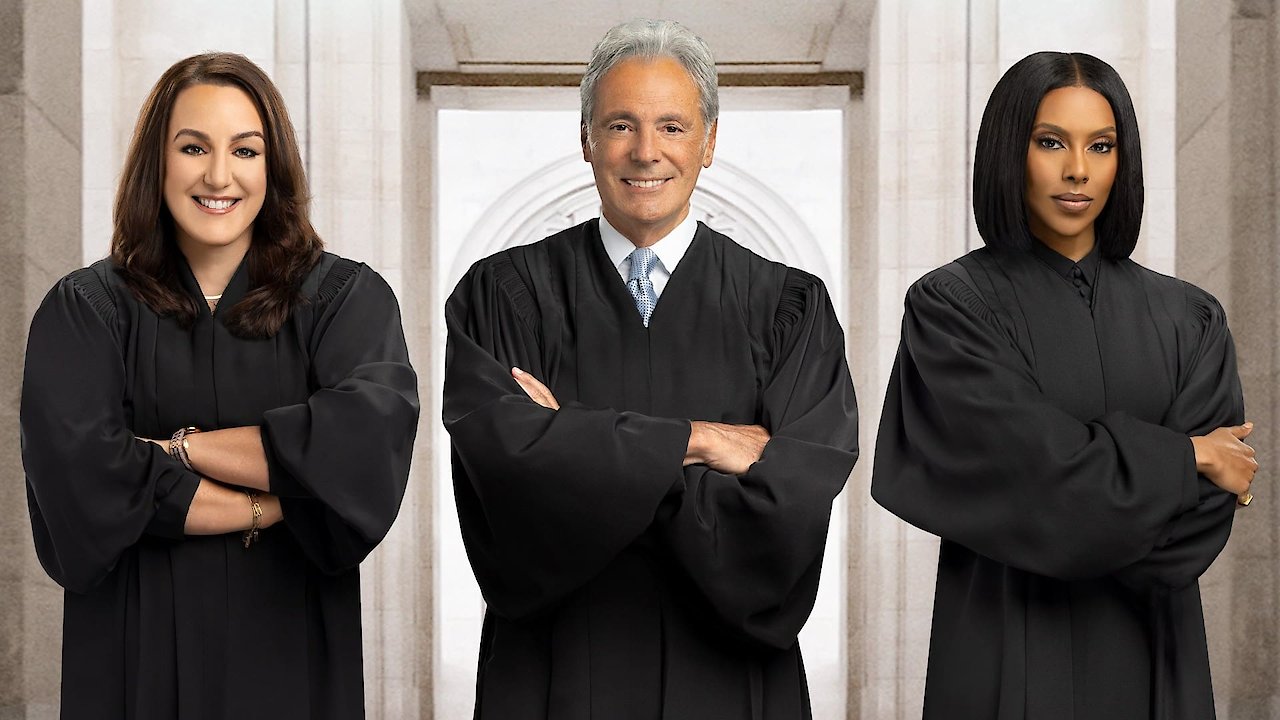
Hot Bench is a courtroom series that presents cases to a panel of three judges who provide their opinions and render verdicts. This episode, Handicapped Hoodwink?!; Double-Dipping Slumlord?!, is part of the show's fourth season.
The first case, Handicapped Hoodwink?!, features a dispute between a landlord and a tenant. The tenant rented an apartment that she thought was suitable for her and her disabled son. However, as soon as they moved in, they discovered that the apartment was not as advertised. The tenant claims that the apartment was not wheelchair accessible and did not have the necessary accommodations for her son, who is wheelchair-bound. She further claimed that the landlord was aware of her son's disability but still rented her the apartment without disclosing the issues with accessibility. The tenant is seeking a refund for the rent and compensation for the damages she incurred as a result of the living conditions.
The landlord, on the other hand, argues that the tenant never disclosed her son's disability before moving in. He claims that the apartment was indeed wheelchair accessible, and that the tenant exaggerated the issues with accessibility for her own financial gain. The landlord contends that the tenant has a record of fabricating disabilities to receive monetary compensation, and that the current case is no different.
The judges have to determine whether the landlord misrepresented the apartment's accessibility, or whether the tenant is fabricating the issues to receive compensation. They also have to consider whether the landlord had any legal obligation to disclose the accessibility issues to the tenant before renting the apartment.
The second case, Double-Dipping Slumlord?!, deals with a dispute between a landlord and his tenant. The tenant claims that the landlord was double-dipping by collecting rent from him while also receiving payments from the government to subsidize low-income housing. The tenant argues that the landlord should not be allowed to receive payments from both sources simultaneously. The tenant also claims that the apartment he was renting was in poor condition, with numerous maintenance issues that the landlord failed to address.
The landlord argues that he was entitled to receive payments from both the tenant and the government. He explains that the government provides subsidies to landlords to enable them to rent out their properties at affordable rates for low-income households. He maintains that he provided all the necessary maintenance and repairs in a timely manner, and that the tenant is seeking to avoid paying his rent by making false allegations.
The judges have to determine whether the landlord was double-dipping, and if so, whether it was legal for him to do so. They also have to consider the tenant's claims about the poor condition of the apartment and whether the landlord is responsible for correcting those issues.
As the judges listen to the arguments from both parties, they pay attention to the evidence presented and the credibility of the witnesses. They will weigh the evidence in light of the applicable laws and regulations to come up with a just verdict.
The show's format allows viewers to follow the legal arguments and evaluate the evidence alongside the judges. Hot Bench offers a unique perspective on the legal process and is an engaging and informative show for anyone interested in law and justice.
