T.J. Hooker Season 4 Episode 5 Anatomy of a Killing
- November 10, 1984
-
(54)
In the gripping fourth season of T.J. Hooker, the fifth episode, titled Anatomy of a Killing, delves deep into the complex world of crime and justice as our beloved protagonist navigates the shadows of morality and the harsh realities of law enforcement. The episode opens with an unsettling atmosphere gripping the precinct, a palpable tension that highlights the challenges faced by police officers daily.
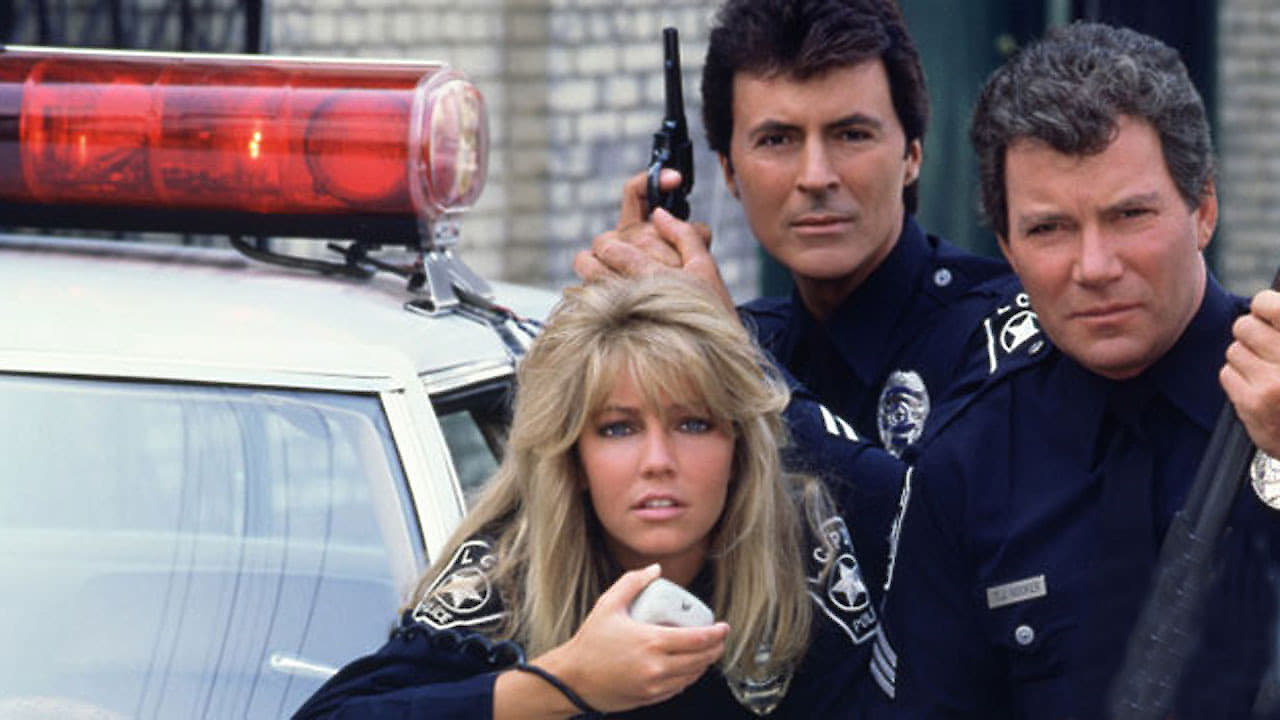
T.J. Hooker, portrayed with skill and charisma by William Shatner, finds himself embroiled in a case that strikes at the heart of what it means to uphold the law. The narrative kicks off following a brutal murder that has both the public and the police on edge. The case piques interest not only because of its shocking nature but also due to its implications for the community and the legal system. As T.J. engages with various stakeholders—victims' families, witnesses, and fellow officers—he confronts ethical dilemmas that require him to explore the motivations behind criminal behavior.
Throughout the episode, the audience is introduced to several new characters, including key witnesses and suspects whose backgrounds and connections to the victim unfold in intricate layers. Each character’s involvement adds depth to the storyline, emphasizing how seemingly disparate lives intertwine in the wake of a tragedy. The writing excels at presenting multifaceted narratives, making it clear that in the criminal world, nothing is ever black or white.
As T.J. works tirelessly to piece together the mystery, he enlists the help of his loyal partner, Officer Stacy Sheridan, played by Heather Locklear. Their dynamic is a central pillar of the episode, showcasing a blend of camaraderie and professional respect. Together, they tackle the case with a mix of intuition and determination, demonstrating the importance of teamwork in the face of adversity. Their discussions are filled with tension, as both grapple with the moral implications of the case. As they uncover clues and interviews, the investigation becomes much more than just a search for a suspect; it evolves into a profound examination of justice and retribution.
A pivotal theme in Anatomy of a Killing is the psychological aspect of crime. The episode thoughtfully explores the rationale behind the murder, offering glimpses into the mind of the perpetrator and the circumstances that may have led to such a heinous act. T.J. and Stacy analyze the patterns of behavior, discussing how personal trauma and environmental factors can lead someone down a dark path. This nuanced portrayal encourages viewers to contemplate the broader implications of crime, raising questions about societal responsibility, the legal system, and the potential for rehabilitation versus punishment.
T.J. Hooker’s leadership qualities are on full display as he navigates the challenging waters of the investigation. He faces pressure from superiors for quick results while also dealing with public scrutiny and media frenzy surrounding the murder. The intensity of the case tests his resolve and principles, reinforcing his commitment to justice over expediency. This commitment is highlighted through moral quandaries that push him to consider how justice is served in a society that often favors simplicity over complexity.
Visually, the episode captures the gritty essence of urban life, using a mix of nighttime cityscapes and tense interrogation rooms to create a setting rife with tension. The cinematography enhances the narrative, drawing viewers into the emotional stakes of the characters, from the weary officers grappling with the ramifications of their work to the emotional toll on families affected by crime. The atmospheric music score heightens suspense, further immersing the audience in the unfolding drama.
As reserves of tension mount, T.J. Hooker successfully portrays not only the procedural elements of a police investigation but also the deeply human side of those involved. The characters grapple with doubts, fears, and moral conflicts, making them relatable and real. This emotional depth is what sets Anatomy of a Killing apart from typical crime dramas, anchoring the storyline in a profound exploration of human experience and the consequences of actions.
Ultimately, the episode serves as a meditation on the nature of violence and the individuals it impacts. As T.J. Hooker and Officer Sheridan inch closer to the truth, the question of accountability looms large, forcing the audience to reflect on the nature of justice itself. With stellar performances, insightful writing, and a plot that resonates on multiple emotional levels, this episode stands as a compelling chapter in the T.J. Hooker saga, reminding viewers that behind every crime, there are real people with real stories caught in the crossfire of justice.