The Rockford Files Season 6 Episode 9 No Fault Affair
- November 30, 1979
- 49 min
-
8.2 (25)
In the sixth season of the classic detective drama The Rockford Files, episode 9, titled No Fault Affair, we find our charismatic private investigator, Jim Rockford, once again embroiled in a perplexing case that challenges his wit and intuition. The series, known for its sharp writing, clever plots, and rich character development, continues to deliver engaging narratives that keep viewers on the edge of their seats.
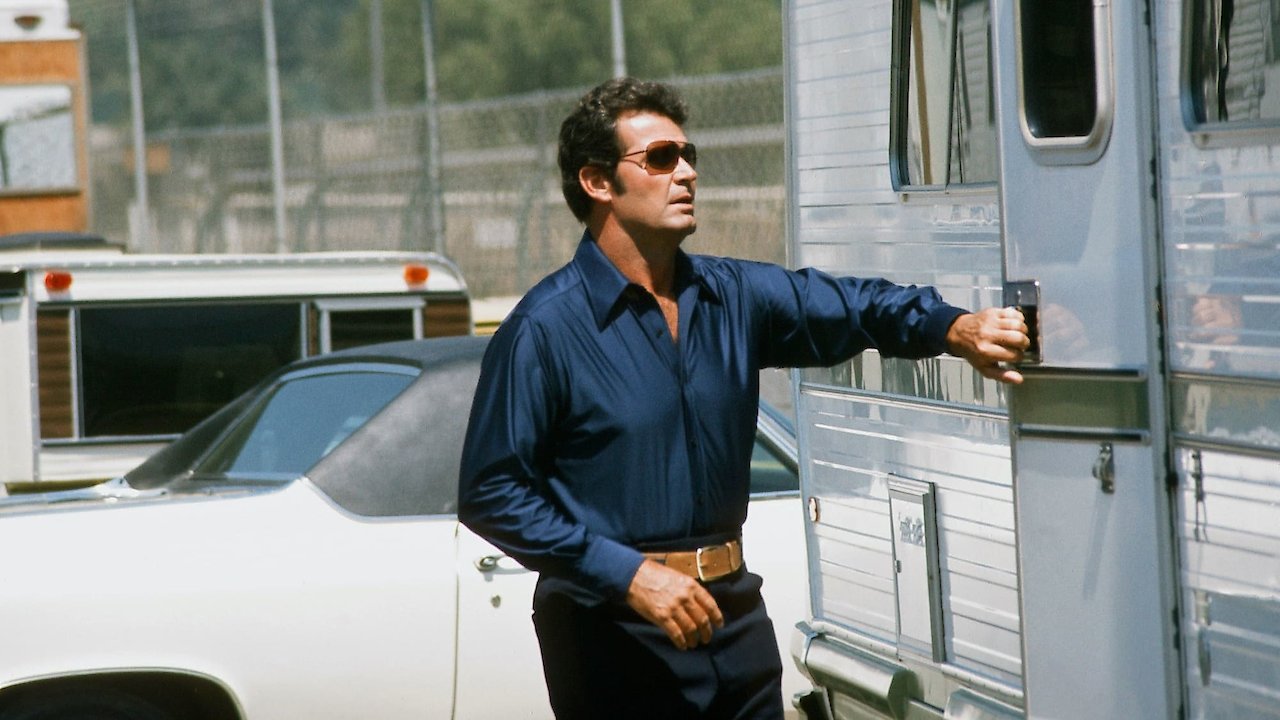
As the episode opens, Rockford is enjoying a rare moment of peace at his trailer, basking in the Southern California sun and savoring a well-deserved break from the rigors of his often-chaotic profession. However, tranquility is quickly disrupted when he receives a phone call from an old acquaintance who is in dire need of assistance. This acquaintance, a high-powered corporate executive, is facing serious legal troubles connected to a mysterious car accident involving one of the company’s employees—a situation that escalates into a full-blown investigation of corporate malfeasance.
Rockford, ever the skeptic, is drawn into the web of intrigue that surrounds the incident. He is tasked with uncovering the truth behind the accident, which is fraught with potential miscalculations and finger-pointing as the company scrambles to distance itself from any liability. As Rockford begins to dig deeper, he uncovers a murky world of corporate greed, internal politics, and ethical breaches that reflect a darker side of the business environment.
The episode stands out for its tension-filled atmosphere and complex character interactions. Rockford's interactions with various stakeholders—from the anxious employee whose accident has thrown everything into chaos to the polished executives who seem overly confident in their own narrative—craft a nuanced portrayal of human nature under pressure. The dialogue is sharp, often laced with Rockford’s signature humor, providing levity against the backdrop of serious themes regarding accountability and the human condition.
A significant portion of the intrigue involves uncovering the true circumstances of the accident. Rockford approaches the investigation with his trademark tenacity, leaving no stone unturned. As he sifts through corporate documents, interviews key witnesses, and navigates the labyrinth of the corporate world, he encounters resistance from unexpected quarters. This mounting pressure adds layers of complexity to the narrative, highlighting both Rockford’s resourcefulness and the moral quandaries faced by individuals when caught in a system that prioritizes reputation over truth.
Throughout the episode, viewers are treated to a masterclass in detective work. Rockford’s methods—often unconventional and sometimes against the grain—reveal his deep-seated commitment to justice and truth. His ability to read people allows him to extract crucial information in the most unlikely places, keeping the audience guessing about how he will piece together the puzzle.
As he uncovers vital clues, including discrepancies in testimonies and financial irregularities, Rockford begins to connect the dots related to the accident, leading him to question the very fabric of loyalty and trust among colleagues in this high-stakes environment. The dynamics between the characters create a rich tapestry of motivations and conflicts, making it clear that not everyone is playing by the same rules.
Visually, the episode captures the vibrant essence of Los Angeles in the 1970s, showcasing its highrises, bustling streets, and the contrasting lifestyles of different social strata. The cinematography enhances the storytelling, complementing the emotional stakes involved in Rockford’s investigation.
As Rockford inches closer to the truth, he must also navigate his own feelings about the systemic issues he uncovers. The moral implications of his findings force him to grapple with his role as a private investigator and the ethical responsibility that comes with exposing the truth. The episode poses compelling questions about the nature of justice, the ramifications of corporate actions on individuals, and the lengths one should go to in the pursuit of clarity and honesty.
With its gripping storyline, compelling character development, and sharp dialogue, No Fault Affair exemplifies why The Rockford Files continues to resonate with audiences. The blend of drama, humor, and social commentary reflects the best of 1970s television, offering both entertainment and thoughtful reflection. As the episode unfolds, viewers are left eagerly anticipating Rockford's next move and the inevitable confrontation between him and those who seek to obscure the truth, setting the stage for yet another gripping hour of television.