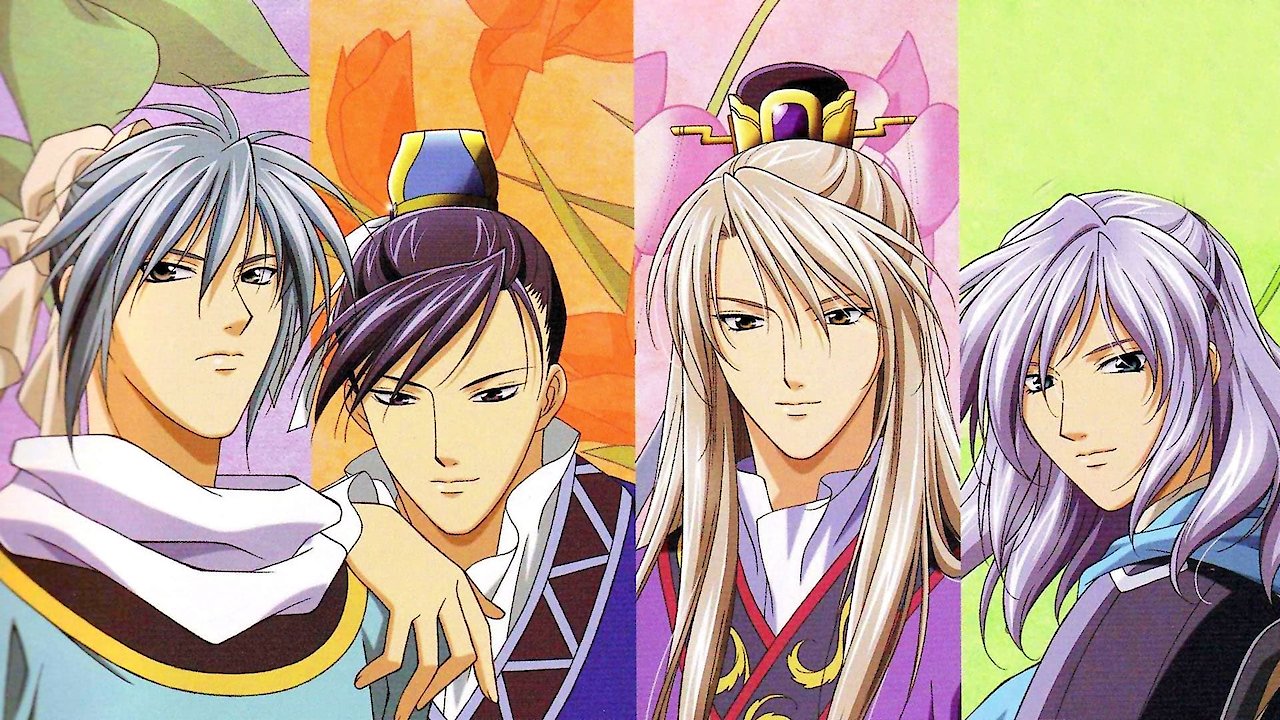
Saiunkoku Monogatari Season 2 Episode 4 If Winter Comes, Can Spring Be Far Behind?
- April 28, 2007
In Saiunkoku Monogatari season 2 episode 4, titled If Winter Comes, Can Spring Be Far Behind?, the intricate tapestry of court life in the Saiunkoku unfolds further, revealing the delicate balance between personal aspirations and the demands of duty. This episode explores the themes of resilience and transformation against a backdrop of political intrigue and personal relationships, setting the stage for both character development and plot progression.
As the episode begins, the harshness of winter envelops the Saiunkoku, mirroring the challenges faced by our main characters. The chilly landscape not only affects the physical environment but also takes a toll on the emotional and mental states of those within the court. The cold symbolizes the hardships that each character grapples with, emphasizing a sense of stagnation and despair that seems to envelop them like snowflakes falling silently but steadily onto the ground.
Ryoukin, the determined and passionate protagonist, finds herself at a crossroads as she navigates the complexities of her dual roles as a competent adviser and a woman with aspirations of her own. Her dedication to the empire and her quest for self-identity become increasingly intertwined, especially in the context of the political decisions that affect the very fabric of their world. The audience watches as Ryoukin balances her responsibilities, showcasing her growth and depth as a character. Her interactions with other key figures highlight her resolve but also reveal her vulnerabilities and the sacrifices she must make for the greater good.
Meanwhile, Shouka, the stoic yet fiercely loyal prince, faces his own set of challenges. He is caught in the tension between tradition and change, understanding that winters are not permanent but rather a necessary phase leading to eventual renewal. The dialogue between himself and Ryoukin is particularly poignant, as it reflects their differing perspectives on leadership, sacrifice, and the delicate interplay of personal desires versus societal expectations. Their conversations evolve in intensity, as both are forced to confront their own fears and aspirations amid uncertainty.
Throughout the episode, the subplots involving supporting characters, such as the ever-scheming Kou and the optimistic yet naive Kairu, deepen the narrative complexity. These characters, while secondary, play pivotal roles in shaping the main storyline. As tensions swell within the court, alliances are tested and motivations scrutinized, prompting moments of trust and betrayal that keep audiences on their toes. The intricate relationships among the characters enrich the story, adding layers of intrigue and emotional resonance.
Visually, the episode captures the stark beauty of winter, with stunning vistas of snow-covered landscapes contrasted against the vibrant discussions and emotional exchanges taking place inside the palace. The cinematography emphasizes both the isolation of winter and the warmth of human connection, effectively paralleling the duality of the characters’ internal struggles and their external realities.
As the narrative unfolds, themes of hope and renewal begin to emerge. Ryoukin and Shouka, despite their struggles, become symbols of resilience amidst adversity. Their determination to forge a path forward, inspired by the belief that spring will eventually follow the harshness of winter, resonates deeply with the audience. This sense of hope manifests in smaller, intimate moments, where characters show kindness to one another and the bonds they share become more apparent, hinting at the beauty of human connection even in the darkest of times.
The episode culminates in a climactic moment that encapsulates the essence of the proverb interlaced in the title—If Winter Comes, Can Spring Be Far Behind?—offering a thoughtful reflection on the cyclical nature of life. It invites viewers to ponder the inevitability of change and the potential for growth that lies on the other side of hardship. While obstacles loom large, the prospect of new beginnings lingers, leaving audiences with a sense of anticipation for what lies ahead.
By the end of the episode, viewers are left grappling with a mix of emotions—frustration at the challenges the characters face, but also a burgeoning excitement for the possibilities of renewal. The storytelling is both compelling and poignant, making this episode a key chapter in the continuing saga of Saiunkoku Monogatari, rich with themes that resonate universally. As the court prepares to face the uncertainties ahead, it becomes clear that the journey is just as significant as the destination, inviting the audience to embrace the hope that comes with the promise of spring.
